

Dredging isn’t just about moving dirt; it’s about safeguarding our most precious resource: water. It helps maintain waterways, removes built-up sediment, and even cleans up contaminated areas. But not all dredging methods are created equal. Some can stir up a lot of sediment, making the water cloudy. This can harm aquatic life and slow down projects. Think of it like trying to clean a dusty room with a leaf blower – you’ll just spread the mess around!
When you need to clear sediment from sensitive environments, you need a special tool. That tool is the auger dredge. It’s designed to work efficiently while being gentle on the surrounding water. This makes it a go-to choice for projects where keeping water clean is a top priority.
This guide will explain what an auger dredge is, how it works, and why it stands out. We’ll look at its many benefits, especially its ability to minimize water cloudiness. This is often called turbidity. Understanding this machine can help you appreciate its role in keeping our aquatic environments healthy and usable.
What Exactly Is an Auger Dredge?
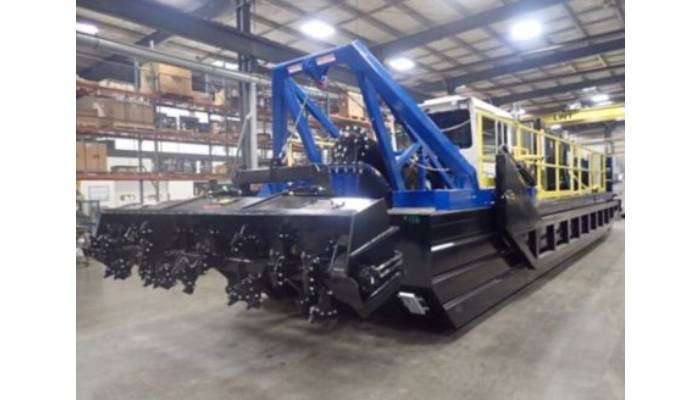
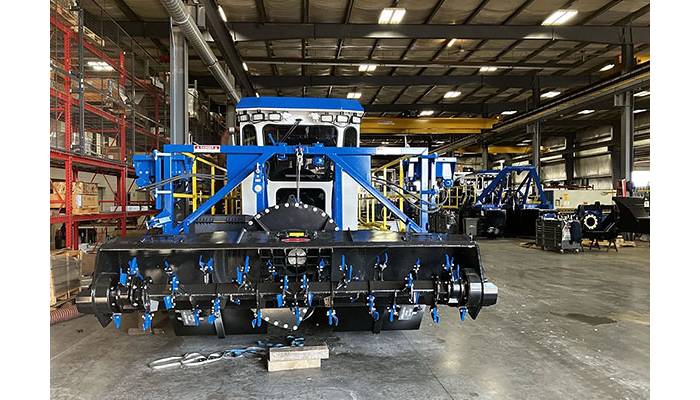
An auger dredge is a type of hydraulic dredge. This means it uses water to move sediment. But its key feature is its unique cutting head. Instead of a spinning blade that churns up material, this specialized equipment uses a large, rotating screw-like device, or “auger.”
How the Auger Head Works Its Magic
The auger head has a helical (spiral) shape. As the auger spins, it guides the sediment towards the center. It rotates horizontally, pulling the loose sediment directly into a shroud or casing. This shroud encloses the auger, preventing material from escaping into the surrounding water. There, a powerful pump sucks the material up through a pipeline. The material then moves to a different location for disposal or treatment.
This controlled feeding action is crucial. It picks up the sediment cleanly, almost like a vacuum cleaner. This gentle action prevents a large plume of disturbed material from spreading into the water column. This is a big difference compared to other dredging methods.
Core Components of This Dredging System
- The Auger Head: This is the spinning screw that gathers sediment.
- The Shroud: A protective casing around the auger that minimizes water disturbance.
- The Suction Pump: A powerful pump that pulls the water-sediment mixture (slurry) through the pipeline.
- The Hull: The main body of the dredge, providing flotation and support.
- Propulsion System: Often uses winches or sometimes propellers to move the dredge along the work area.
- Control System: Allows operators to precisely guide the dredge and monitor its operations.
The Big Advantage: Less Turbidity for a Healthier Environment
One of the most significant benefits of an auger dredge is its minimal impact on water turbidity. Turbidity refers to the cloudiness or haziness of a fluid. In water, it’s usually caused by tiny particles that are stirred up and suspended.
Why Turbidity Is a Problem
- Harm to Aquatic Life: Suspended sediment can block sunlight, affecting plant growth. It can also clog fish gills, reduce visibility for predators and prey, and smother benthic (bottom-dwelling) organisms.
- Reduced Water Quality: Turbid water can be unpleasant for recreation and can increase the cost of water treatment for drinking water supplies.
- Environmental Fines: Many environmental regulations have strict limits on turbidity levels during dredging operations. Exceeding these limits can lead to heavy penalties and project delays.
- Spread of Contaminants: If the sediment contains pollutants, stirring it up can release these contaminants into the wider water body, spreading the problem.
The Science Behind Reduced Turbidity with This Dredging Method
These dredges are specifically engineered to tackle these turbidity problems. The shrouded auger head works by gently cutting and sweeping the sediment. It then funnels this material directly to the pump intake. This process minimizes the amount of loose sediment that can escape into the surrounding water. Traditional cutterhead dredges, for example, use fast-spinning blades that can aggressively agitate the bottom, creating a large plume of suspended particles. Plain suction dredges might also draw in a lot of excess water, leading to less concentrated slurry and more disturbance.
The controlled intake of this equipment ensures that a higher concentration of sediment is pumped, with less excess water. This efficient transfer means less agitation and less mixing of sediment with the clear water. The result is significantly clearer water during and after dredging operations. This is especially vital when working near sensitive ecosystems or in areas with strict environmental regulations.
Where Does This Dredging Equipment Shine? Common Applications
Because of their precision and low-turbidity characteristics, this equipment is ideal for a variety of challenging projects. They are particularly useful when environmental care is a top concern.
Contaminated Sediment Remediation
When sediment at the bottom of a lake or river contains pollutants, removing it carefully is essential. These machines excel here because they minimize disturbance. This prevents the spread of contaminants into cleaner water or air. Their precise operation means they can target specific layers of contaminated material, leaving cleaner sediment untouched.
Environmental Restoration Projects
Many lakes, ponds, and wetlands suffer from excess sediment buildup. This can reduce depth and harm ecosystems. This equipment is perfect for restoring these areas. They can deepen channels and remove nutrient-rich muck without destroying the delicate balance of the environment. This helps bring back healthy plant and animal life.
Industrial Sludge and Sump Cleaning
Industrial facilities, such as power plants, mining operations, and wastewater treatment plants, often have ponds or sumps filled with various types of sludge. This sludge can be thick, abrasive, or even hazardous. These dredges are highly effective at handling these difficult materials. They maintain consistent slurry concentrations, making the dewatering process more efficient. These modern machines are a great example of new technologies for environmental benefit.
Shallow Water Dredging
Some versions of this equipment are designed to work in very shallow water. This makes them suitable for smaller canals, irrigation ditches, or even flooded urban areas where larger vessels cannot operate. Their compact size and often amphibious capabilities allow them to access difficult-to-reach spots.
Maintenance Dredging in Active Waterways
Keeping ports, harbors, and navigable rivers clear requires ongoing maintenance. Using this method in these active zones minimizes disruption to marine traffic and nearby communities. The reduced turbidity means less impact on busy areas and a smoother flow for commercial operations.
More Than Just Clean Water: Other Benefits
While low turbidity is a major selling point, this dredging equipment offers several other advantages that make them a smart choice for many dredging tasks.
Precision and Efficiency
The design of the auger head allows for very precise dredging. Operators can control the depth and width of the cut with great accuracy. This means less over-dredging, which saves time and money. It also helps preserve untouched areas of the water body. The consistent feeding of sediment into the pump ensures a steady and efficient flow of material.
Versatility in Material Handling
These dredges are excellent at handling a wide range of materials. These include silts, soft clays, fine sands, and various types of industrial and municipal sludges. Their gentle, positive feeding action is particularly effective for sticky or fibrous materials that might clog other dredge types.
Safety and Remote Operation
Many modern versions of this equipment can be operated remotely. This keeps personnel away from potentially hazardous materials or dangerous working conditions. This enhances safety, especially when dealing with contaminated sediments or in unstable environments. It’s a key consideration for project managers focused on planning your business strategy and operations.
Portability and Easy Deployment
Many models of this equipment are designed for easy transport. They can often be broken down into sections and moved on standard trailers. This makes them quick to deploy and relocate, reducing project setup times and logistical costs. Their smaller footprint also means less impact on staging areas.
Choosing the Right Tool for Your Project
When considering dredging equipment, it’s important to match the tool to the task. For projects where environmental sensitivity, precision, and handling diverse sediment types are crucial, this specialized dredge is often the best choice.
Always consider the specific needs of your project. This includes the volume and type of material to be removed. Think about the required depth, the water conditions, and local environmental regulations. Talking to dredging experts can help you determine if this equipment is the most effective and responsible solution for your unique challenge.
Conclusion
Auger dredges represent a significant advancement in dredging technology. They offer a powerful combination of efficiency, precision, and vital environmental benefits. Their ability to drastically reduce turbidity makes them indispensable for sensitive projects. They ensure cleaner waterways and healthier ecosystems.
By choosing this equipment, you invest in a method that protects aquatic environments. You also ensure regulatory compliance and achieve project goals with greater effectiveness. For anyone involved in sediment removal, understanding the advantages of this specialized equipment is key to successful and responsible operations. Let’s work together for clearer waters and a healthier planet!
Frequently Asked Questions (FAQs)
Q1: How does this dredge differ from a cutterhead dredge?
A: A cutterhead dredge uses a rotating basket of sharp blades to cut through harder sediments, creating a more agitated environment. This dredge, in contrast, uses a horizontal, screw-like auger, often enclosed in a shroud, to gently sweep and funnel softer sediments directly into the pump intake. This design significantly reduces water disturbance and turbidity compared to a cutterhead dredge.
Q2: Can this equipment handle all types of sediment?
A: This equipment is highly effective for softer materials like silts, muds, sludges, fine sands, and some sticky or fibrous sediments. They are not typically used for very hard-packed clay, rock, or highly consolidated materials, which usually require the more aggressive cutting action of a cutterhead dredge. The specific design and power of the auger will determine its full material handling capabilities.

Mathew Hicks is a world-renowned author and expert in the field of business and finance. He has written multiple books and articles on the subject and has been featured in numerous publications. His expertise has been sought by leading financial institutions around the world.