

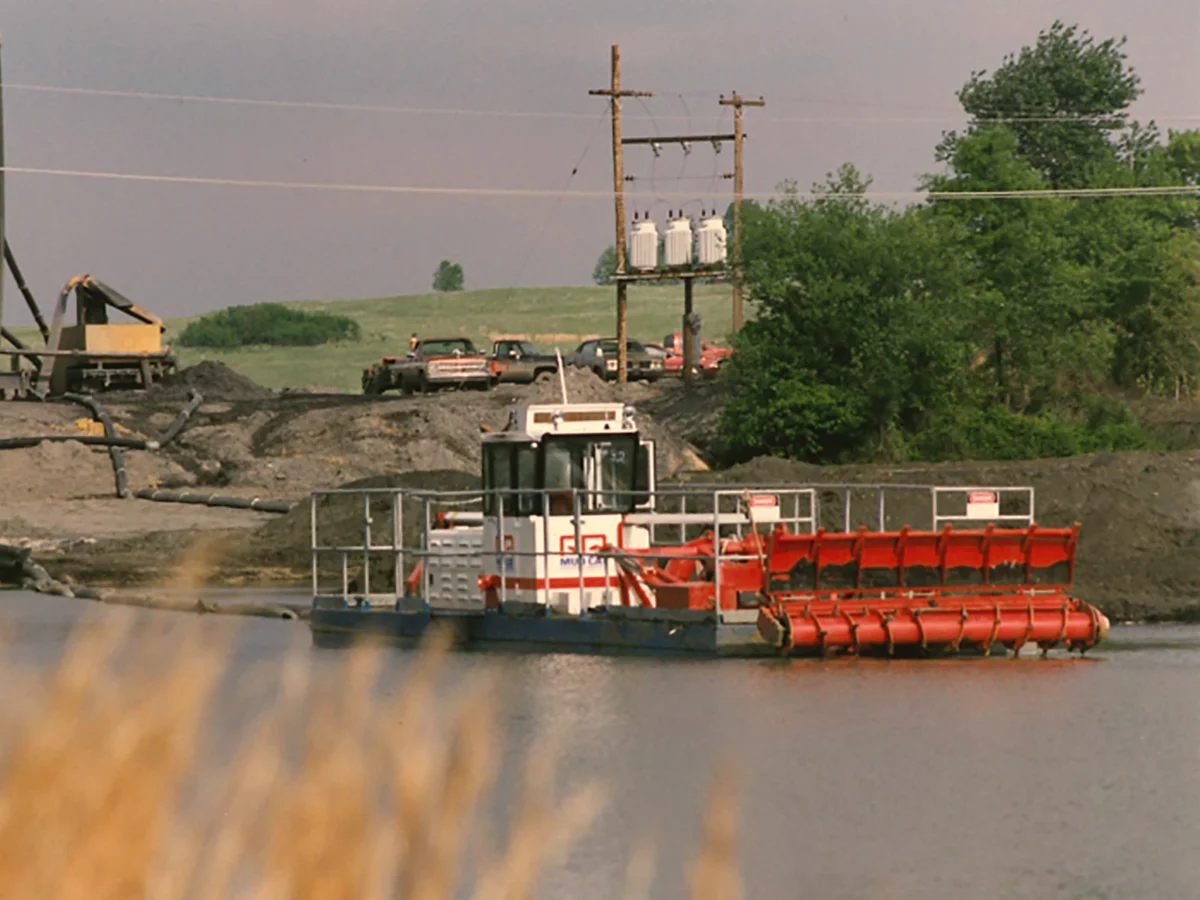
Diesel dredging equipment is specialized machinery used for underwater excavation and material handling, powered by diesel engines. This guide provides a thorough overview of how these machines work, including their core components such as the diesel engine, dredge pump, and cutter head. It covers various types of diesel dredgers, their applications, and the advantages of using diesel power. Additionally, it addresses key features to consider when selecting equipment and offers insights into maintenance practices to ensure optimal performance and longevity.
What Is Diesel Dredging Equipment?
Diesel dredging equipment refers to a category of machinery designed for underwater excavation and material handling, powered by diesel engines. This equipment is employed in various industries such as construction, mining, and environmental management to remove sediments, silt, and debris from bodies of water. The diesel engine provides the necessary power to operate the dredging tools and systems, making it suitable for large-scale and heavy-duty operations. The versatility and reliability of diesel-powered dredgers make them a preferred choice in demanding dredging projects around the world.
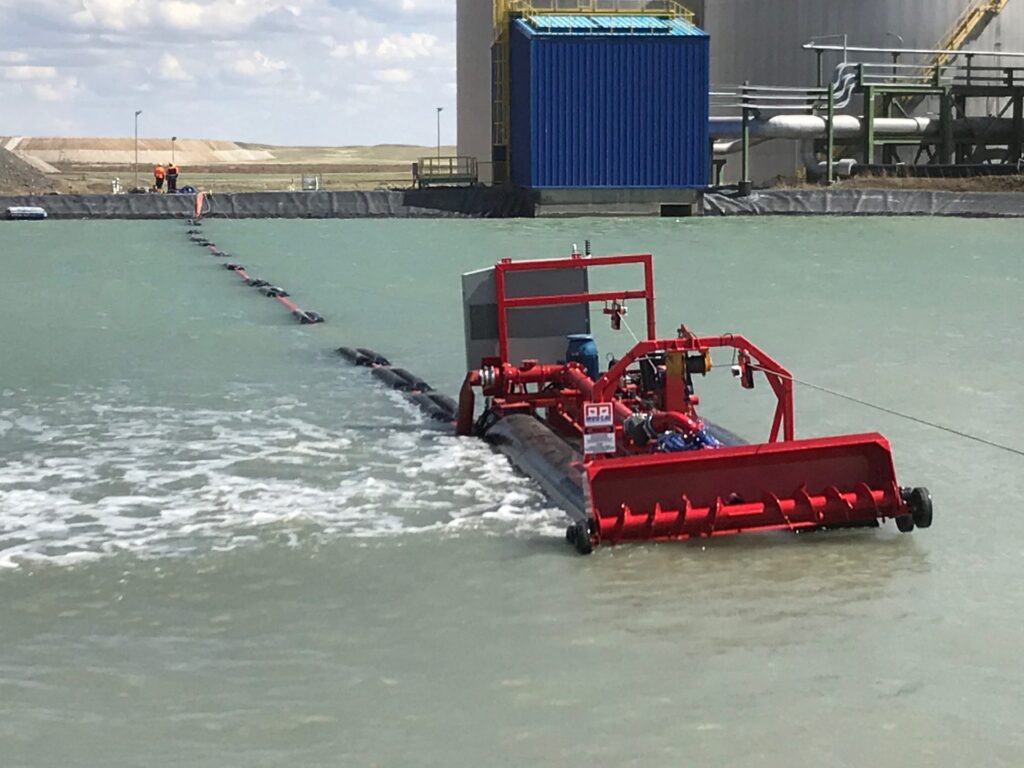
The Core Components Of Diesel Dredging Equipment
The core components of diesel dredging equipment typically include the diesel engine, dredge pump, cutter head or drag head, and hydraulic systems. The diesel engine generates the power needed to drive the dredge pump, which moves water and sediment through the pipeline. The cutter head or drag head breaks up and collects material from the seabed or riverbed. Hydraulic systems control the movement of these components and adjust the equipment’s position. Each component plays a crucial role in ensuring efficient and effective dredging operations, contributing to the overall performance of the equipment.
How Diesel Engines Power Dredging Operations?
Diesel engines power dredging operations by converting fuel into mechanical energy, which drives the various components of the dredging equipment. Diesel engines are known for their durability, efficiency, and high torque, making them ideal for the heavy demands of dredging tasks. The engine’s output is transmitted through a series of belts and drives to operate the dredge pump and other mechanical systems. This setup allows for the efficient handling of large volumes of sediment and water, ensuring that dredging operations can be carried out effectively and with minimal downtime.
Types Of Diesel Dredging Equipment And Their Applications
- Cutter Suction Dredgers (CSDs): Cutter suction dredgers are equipped with a rotating cutter head that breaks up the seabed material. The loosened material is then suctioned through a pipe to a discharge area. They are ideal for dredging in both shallow and deep waters and are commonly used for river and port maintenance, land reclamation, and construction projects.
- Clamshell Dredgers: Clamshell dredgers use a bucket with two jaws (or “clamshells”) to scoop material from the seabed. They are effective for precise excavation in shallow waters and can handle a variety of materials, including silt and sand. Clamshell dredgers are often employed for dredging harbors, marinas, and waterways where accuracy is crucial.
- Cutterhead Dredgers: Cutterhead dredgers combine the functionality of a cutter and a pump in one unit. The cutter head breaks up the material, which is then pumped through pipelines to a designated location. These dredgers are versatile and can handle both soil and rock, making them suitable for large-scale dredging projects, such as deepening ports and mining operations.
- Auger Dredgers: Auger dredgers use a rotating auger (screw-like device) to lift and transport material from the seabed. They are particularly useful for dredging in soft sediments and are commonly used in freshwater environments like lakes and rivers. Auger dredgers are often used for dredging ponds, canals, and environmental restoration projects.
Advantages Of Diesel-Powered Dredging Equipment
Diesel-powered dredging equipment offers several advantages, including high power output, reliability, and operational efficiency. Diesel engines are capable of delivering the necessary force to handle large-scale dredging projects and can operate for extended periods without frequent refueling. They are also known for their robust construction, which is essential for withstanding the harsh conditions often encountered during dredging. Additionally, diesel engines are relatively easier to maintain and repair compared to other types of engines, reducing downtime and ensuring continuous operation during critical projects.
Key Features To Look For In Diesel Dredging Equipment
When selecting diesel dredging equipment, key features to consider include engine power, dredge pump capacity, and the design of the cutter or drag head. High engine power ensures that the equipment can handle demanding tasks and large volumes of material. The dredge pump’s capacity should match the project’s requirements for efficient material removal. The design of the cutter or drag head impacts the equipment’s ability to break up and collect sediment effectively. Other factors to consider are the equipment’s maneuverability, hydraulic system efficiency, and overall durability to ensure optimal performance and longevity.
Routine Maintenance And Care For Diesel Dredging Equipment
Routine maintenance and care for diesel dredging equipment are essential to ensure its longevity and reliable performance. Regularly checking and changing engine oil, filters, and coolant helps prevent engine wear and overheating. The dredge pump and hydraulic systems should be inspected for leaks and worn components, with timely repairs to avoid operational issues. Cleaning and inspecting the cutter or drag head for damage or wear is crucial for maintaining effective dredging performance. Additionally, ensuring that the equipment is properly stored and protected from environmental factors when not in use can extend its service life and reduce maintenance costs.
Conclusion
Diesel dredging equipment plays a vital role in various industries by providing powerful and efficient solutions for underwater excavation and material handling. Understanding the core components, power dynamics, and types of equipment available is essential for selecting the right dredger for specific needs. The advantages of diesel engines, such as their reliability and high power output, make them a popular choice in demanding environments. By focusing on key features and adhering to routine maintenance practices, operators can ensure that their diesel dredging equipment remains in optimal condition, contributing to successful and cost-effective dredging projects.

Hi there! I’m Scott Ramsey, a passionate blogger with a keen interest in business, technology, and travel. Based in the vibrant United States, I explore the intersection of innovation and adventure in my writing. Join me on my journey as I share insights, tips, and experiences from the world of entrepreneurship, cutting-edge tech, and exciting travel destinations.