


Are you an academic or researcher facing the immense pressure of publishing your work in top-tier journals? Do you worry about language barriers or subtle errors hindering your research from being fully understood and accepted?
The world of academic publishing is highly competitive. Every detail in your manuscript matters. That’s why many scholars turn to professional academic editing service providers. These services help polish your writing. They ensure your ideas are clear, concise, and compelling.
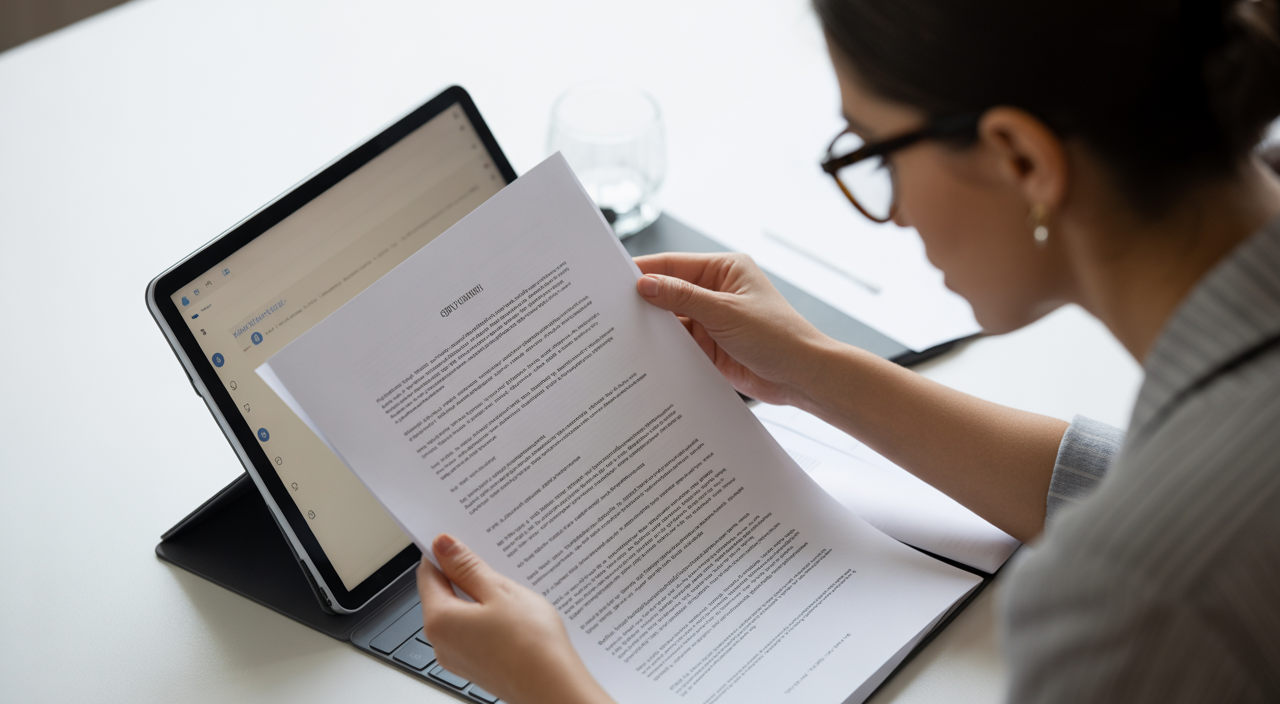
Choosing the right editing partner is crucial. This guide will help you understand what makes a service excellent. We will cover how to select a trusted editor. Our goal is to refine your manuscripts, improve clarity, and maximize your chances of publication.
Understanding the Landscape: What Exactly Do Academic Editing Service Providers Offer?
Academic editing goes far beyond simply correcting typos. It’s a detailed process. It enhances your work at multiple levels. Understanding these levels helps you choose the right service.
Beyond Basic Grammar: The Spectrum of Academic Editing
Different types of editing serve different needs. Knowing the distinctions is important for researchers.
- Proofreading: This is the final check. It catches surface-level errors. Think spelling mistakes, punctuation errors, and grammatical slips. It ensures your text is clean before submission.
- Copyediting: This service improves more than just errors. Copyeditors focus on clarity, conciseness, and flow. They make sure your language is appropriate for an academic audience. They also check for consistency in style and formatting.
- Substantive/Developmental Editing: This is a deeper level of editing. It looks at the overall structure and argument. Editors might suggest ways to improve coherence. They can help enhance the overall impact of your research. This type of editing ensures your core message is strong.
Researchers often need more than just a basic proofread. They need a service that understands the nuances of scholarly communication. A good service can help you present your findings with maximum impact.
The Unique Demands of Journal Article Editing
Publishing in academic journals is highly specialized. Journal articles require a higher level of precision. They also need deep expertise. This is different from general academic writing.
Journal article editing focuses on several key areas. It ensures your manuscript is clear, concise, and impactful. Editors pay close attention to adherence to journal-specific guidelines. These guidelines cover formatting, referencing, and even ethical considerations. They help you navigate the complex peer review process.
Specialized journal article editing significantly boosts publication chances. It ensures your research meets the highest standards of the academic community. This attention to detail can prevent desk rejections, and improve reviewer feedback.
The Essential Checklist: How to Choose a Top-Tier Academic Editing Service Provider
With many academic editing service providers available, making the right choice can be challenging. Here’s a checklist to guide your decision-making process.
Editor Qualifications & Expertise
Who will be editing your work? This is perhaps the most important question. Look beyond simple claims of “native English speaker” or “PhD.”
Seek services that offer editors with specific subject-matter specialization. They should have experience publishing in academic journals. A rigorous vetting process for editors is a strong sign of quality. The best services match your manuscript with an editor who understands your specific field of study.
Scope of Services and Customization
A top-tier provider offers a range of services. They should customize these services to your needs. Can they tailor editing to specific journal guidelines? For example, do they follow APA, MLA, Chicago, or a specific journal’s unique style?
Inquire about their revision policy. Do they offer support after the initial edit? A good service provides comprehensive support to ensure your satisfaction. They should be clear about what’s included in their effective communication strategies.
Quality Assurance & Confidentiality
How does the service ensure quality? Look for providers with a multi-stage editing process. A satisfaction guarantee also shows confidence in their work. Your intellectual property is valuable. Ensure robust confidentiality agreements are in place. This protects your research from unauthorized access.
Reputable services adhere to strict publication ethics. They understand the importance of safeguarding your work. This is a critical factor for any researcher.
Turnaround Time & Flexibility
Academic deadlines are often strict. A reliable service offers predictable turnaround times, and they should have options for expedited services if you are in a rush. Always check if their delivery promises are realistic and guaranteed.
Good communication about timelines is essential. You need a partner who respects your schedule. This helps you with strategic planning for your research submissions.
Transparent Pricing & Value for Investment
Understanding the cost of academic editing services is important. Look for transparent pricing models. These might be per-word, per-hour, or tiered packages. Be wary of services with hidden fees.
Remember, quality academic editing is an investment. It’s not just an expense. It significantly improves your chances of publication. This saves you time and effort in the long run.
Reputation, Reviews & Testimonials
Research the provider’s reputation. Look for independent reviews on platforms showcasing verified client testimonials. Genuine client feedback offers insights into their service quality. The best academic editing service providers will have a strong track record of satisfied customers.
A consistent positive reputation indicates reliability. It shows a commitment to client success. This collective feedback helps you make an informed decision.
Why Specialization Pays Off: The Power of Dedicated Journal Article Editing
For journal submissions, general editing might not be enough. Dedicated journal article editing offers specific advantages. It addresses the unique challenges of publishing research.
The Competitive Edge
Professional editing gives your manuscript a significant competitive edge. It enhances the clarity, language, and overall presentation of your research. A well-written paper stands out to reviewers and editors. It makes a stronger case for your findings.
Bridging the Language Gap (Especially for Non-Native English Speakers)
Many brilliant researchers are non-native English speakers (NNES). Language barriers can sometimes obscure groundbreaking research. Expert English editing services for researchers ensure your ideas shine through. This is true regardless of your native language.
Editors help overcome grammatical errors and awkward phrasing. They also address cultural nuances in academic writing. This ensures your message is precisely conveyed. It allows your work to be judged on its scientific merit alone.
Tangible Benefits: Boosting Your Publication Chances
Numerous studies suggest that professional editing can significantly improve acceptance rates. It also leads to more positive reviewer feedback. The research impact of your work largely depends on its readability and presentation. Investing in the best journal editing services is a proactive step. It ensures your hard work gets the recognition it deserves.
Conclusion: Invest in Your Academic Future
Choosing the right academic editing service providers is a critical step for any researcher. It directly impacts your publication success and academic career. Professional, specialized editing for journal articles is an indispensable investment. It ensures your hard work is presented flawlessly. It also helps your research gain the impact and recognition it deserves.
Take the proactive step to ensure your research reaches its full potential. Prioritize clarity, precision, and impact in your submissions. Your academic future depends on it.
Frequently Asked Questions
What is the difference between academic editing and academic proofreading?
Academic proofreading focuses on surface-level errors. This includes grammar, spelling, and punctuation. It’s the final check before submission. Academic editing goes deeper. It improves clarity, conciseness, flow, and overall structure. It also ensures adherence to specific style guides. Editors offering comprehensive academic editing aim to enhance the overall quality and impact of your manuscript, not just correct mistakes.
How do I know if an academic editing service has editors in my specific field?
Reputable academic editing service providers will often detail their editor selection process. They should specify how they match editors to manuscripts. Look for services that highlight a diverse pool of subject-matter expert editors. Many will explicitly state that their editors hold advanced degrees (like PhDs) in various disciplines. You can often inquire directly about an editor’s background before committing to a service. This ensures they have relevant expertise for your specific research area.

Mathew Hicks is a world-renowned author and expert in the field of business and finance. He has written multiple books and articles on the subject and has been featured in numerous publications. His expertise has been sought by leading financial institutions around the world.