

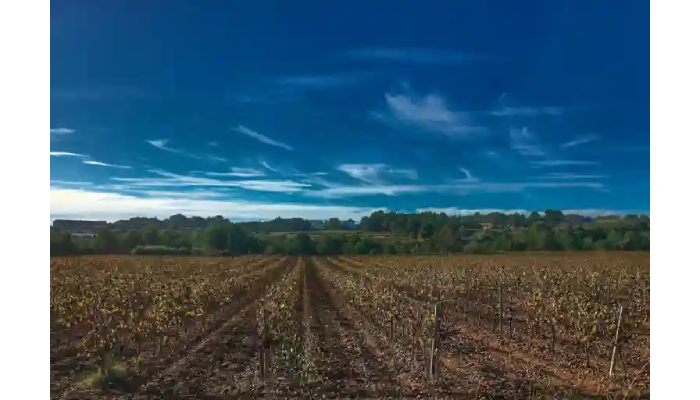
Purchasing land is a significant investment that offers various opportunities, from building your dream home to starting a business or even cultivating agricultural endeavors. If you’re considering buying land for sale in Florida, it’s essential to understand the step-by-step process involved in acquiring property in the Sunshine State. Florida is known for its unique real estate market, which can be diverse and fast-paced. This guide will help you navigate through the process of purchasing land, providing you with the necessary knowledge to make an informed decision.
Research the Land Market in Florida
The next step is to research the land market in Florida. Understanding the real estate market dynamics, property values, and location trends is crucial. The price of land in Florida can vary significantly depending on the area, zoning laws, and proximity to major cities or attractions. For example, land in rural areas or further from the coast will typically be more affordable than properties near popular cities like Miami, Orlando, or Tampa.
You can begin your search for land for sale in Florida by browsing online listings, checking with local real estate agents, or visiting land auctions. Some online platforms and websites specialize in Florida land, allowing you to filter by location, price, size, and land type. It’s important to check multiple sources to get a comprehensive view of the available options.

Find a Real Estate Agent or Land Broker
While it’s possible to purchase land independently, having a professional by your side can make the process much smoother. A Florida-based real estate agent or land broker with experience in the local market can provide valuable insights, help you find suitable land, and guide you through the legal aspects of the transaction.
They can assist you with:
- Identifying land that fits your criteria.
- Negotiating the price and terms.
- Reviewing contracts and legal documents.
- Coordinating inspections and surveys.
- Offering advice on zoning laws, land use, and development opportunities.
Choosing a reputable agent or broker is an essential step in ensuring that your purchase process goes smoothly.
Verify Property Details and Conduct Due Diligence
Once you’ve found a piece of land that meets your requirements, it’s time to conduct due diligence. This step involves verifying the property’s legal and physical details to ensure there are no hidden issues.
Some key factors to research and verify include:
- Title Search: Ensure the property has a clear title with no liens or legal disputes. You may want to hire a title company to conduct this search.
- Zoning and Land Use: Confirm that the property is zoned for your intended use (residential, agricultural, commercial, etc.). Local county offices or zoning boards can provide this information.
- Land Access and Utilities: Verify that the land has legal access (i.e., roads or easements) and check if essential utilities (water, electricity, sewage) are available or can be connected.
- Land Survey: Hire a licensed surveyor to assess the property’s boundaries, acreage, and any potential encroachments.
- Environmental Considerations: Check for any environmental restrictions or issues such as flood zones, wetlands, or protected areas that might impact your plans for the land.
Due diligence helps prevent future surprises and ensures that you’re making a sound investment.
Make an Offer and Negotiate Terms
Once all the details are in order, the next step is to make an offer to the seller. This can be done directly or through your real estate agent. In Florida, the purchase offer typically includes the price, any contingencies (such as inspections or financing), and the proposed timeline for closing.
The seller may accept your offer, reject it, or counter it with new terms. Negotiation is a common part of the land-buying process, and you may be able to lower the price, request repairs or modifications, or adjust the closing timeline. Your agent can help you with the negotiation process, ensuring that you achieve the best deal.
Secure Financing for the Land
Unlike purchasing a home, financing land can be a bit more complex. Most buyers are unable to use traditional mortgage loans for land purchases, especially for raw, undeveloped land. Instead, you may need to explore different financing options, such as:
- Land Loans: Specialized loans for purchasing land are offered by banks, credit unions, and private lenders. These loans may require a larger down payment and higher interest rates compared to traditional home loans.
- Seller Financing: In some cases, the seller may offer financing directly to the buyer, allowing for more flexible terms and less stringent credit requirements.
- Cash Purchase: If you have the funds available, paying cash is often the simplest and quickest option.
Be sure to shop around for the best financing terms, and consider consulting a financial advisor to determine the most suitable option for your situation.
Conclusion
Purchasing land for sale in Florida can be a rewarding investment, whether you’re looking to build your dream home, start a business, or invest in land for future growth. By following this step-by-step guide, you can navigate the land-buying process with confidence, ensuring that you make a well-informed decision. From setting your budget to conducting due diligence, securing financing, and closing the deal, each step plays a vital role in ensuring a successful purchase. With the right knowledge and support, you can find the perfect piece of land in Florida that meets your needs and goals.

Hi there! I’m Scott Ramsey, a passionate blogger with a keen interest in business, technology, and travel. Based in the vibrant United States, I explore the intersection of innovation and adventure in my writing. Join me on my journey as I share insights, tips, and experiences from the world of entrepreneurship, cutting-edge tech, and exciting travel destinations.