

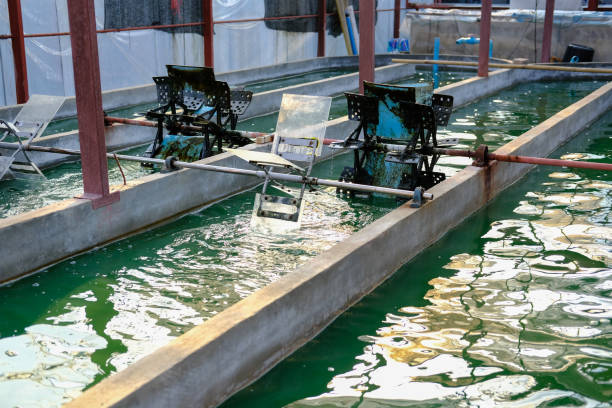
Spirulina, a type of microscopic blue-green algae, has been gaining popularity as a superfood in recent years. But its benefits go beyond just being a nutritious dietary supplement. With the increasing demand for sustainable farming practices, spirulina farming solutions have emerged as a promising solution. Spirulina has been used for centuries by different cultures as a food and medicine, but it is now being recognized for its potential to revolutionize the agricultural industry. In this article, we will explore the various incredible benefits of spirulina farming solution.
The Power Of Spirulina Farming Solution
Spirulina farming solution is a low-cost and eco-friendly way of producing a high-protein food source. It is a fast-growing plant that can be cultivated in both freshwater and marine environments, making it a versatile crop. One of the key benefits of spirulina farming is its ability to produce a high yield in a small area. Researchers have found that one hectare of spirulina farm can produce up to 30 times more protein than the same area of land used for soybean production. With the world’s population expected to reach 9.7 billion by 2050, spirulina farming has the potential to help feed the growing population.

How Spirulina Boosts Agriculture?
Spirulina farming solution not only provides a high-protein food source, but it also has many benefits for agriculture. As a nitrogen-fixing plant, it helps improve soil fertility, making it an ideal companion crop. In addition, spirulina can grow in harsh conditions, including poor-quality water and low light conditions, making it a viable option for areas where traditional crops struggle to grow. This reduces the need for land use change and can contribute to preserving natural habitats.
The Positive Impact Of Spirulina Farming Solution
Spirulina farming solution has a positive impact on both the environment and society. By growing spirulina, farmers can reduce their carbon footprint as it absorbs carbon dioxide from the atmosphere during photosynthesis. The plant also has a high rate of growth, which means it can be harvested multiple times a year, providing a continuous source of income for farmers. At the same time, it does not require the use of pesticides or herbicides, making it a sustainable and environmentally-friendly farming option.
Spirulina Farming Solution As A Livelihood Option
In many developing countries, spirulina farming solution has become a livelihood option for small-scale farmers. The low-cost and low-tech approach to farming means that it is accessible to communities with limited resources. By producing spirulina, these communities can access a nutrient-rich food source and also generate income by selling the surplus. This can significantly improve their economic well-being, reducing poverty and malnutrition.
Addressing World Hunger With Spirulina Farming Solution
Despite advances in agricultural technology, hunger remains a major issue in many parts of the world. Spirulina farming solution has the potential to play a vital role in addressing world hunger. As a high-protein and nutrient-dense food source, it can provide essential nutrients to populations that are struggling with malnutrition. Additionally, as spirulina farming does not require large areas of land, it can be grown in urban areas, bringing fresh, nutritious food closer to communities.
Environmental Benefits Of Spirulina Farming Solution
Spirulina farming solution has several environmental benefits that make it a sustainable option for the future. As mentioned earlier, it helps in carbon sequestration, reducing greenhouse gas emissions. It also has minimal water requirements, making it suitable for areas facing water scarcity. Additionally, spirulina can be used as a biofertilizer, reducing the need for chemical fertilizers, which can harm the environment. By promoting a more sustainable and eco-friendly farming system, spirulina farming solution can help mitigate the negative impact of conventional farming practices.
The Expanding Market For Spirulina Farming Solution
The demand for sustainable and healthy food options is on the rise, and spirulina farming solution fits this trend perfectly. As more people become aware of the benefits of spirulina, the market for this superfood is expanding. This presents an opportunity for farmers to enter into a new and profitable market. With the potential to grow spirulina in both developed and developing countries, there is a vast market for this miracle plant.
Conclusion
Spirulina farming solution has the potential to transform the agricultural industry, improve food security, and bring economic benefits to communities. Its versatility, high yield, and numerous environmental benefits make it a viable solution for the challenges that the world is facing. By incorporating spirulina farming into our food production systems, we can create a more sustainable, healthy, and prosperous future for all.

Hi there! I’m Scott Ramsey, a passionate blogger with a keen interest in business, technology, and travel. Based in the vibrant United States, I explore the intersection of innovation and adventure in my writing. Join me on my journey as I share insights, tips, and experiences from the world of entrepreneurship, cutting-edge tech, and exciting travel destinations.