

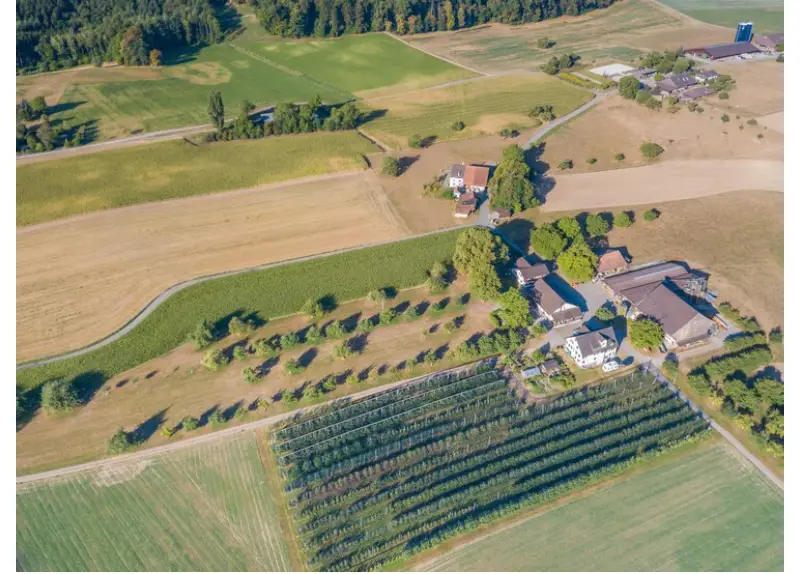
When it comes to selling land, many property owners are unsure about the best approach. While selling land through traditional real estate methods can take time and effort, selling land for cash offers a quicker and simpler alternative. If you’re considering selling your land for cash, this comprehensive guide will walk you through everything you need to know, from understanding the process to ensuring you get the best deal.
What Does Selling Land for Cash Mean?
Selling land for cash refers to the process of selling your property directly to a buyer (often a land investor or real estate company) without involving banks, lenders, or real estate agents. The buyer pays you the full cash price for the land upfront, which can be highly appealing if you need to sell quickly.
One of the main advantages of selling land for cash is that the transaction is typically faster and less complicated than a traditional sale. Without the need for financing, appraisals, or long waiting periods, cash sales often close within a matter of weeks, or even days.
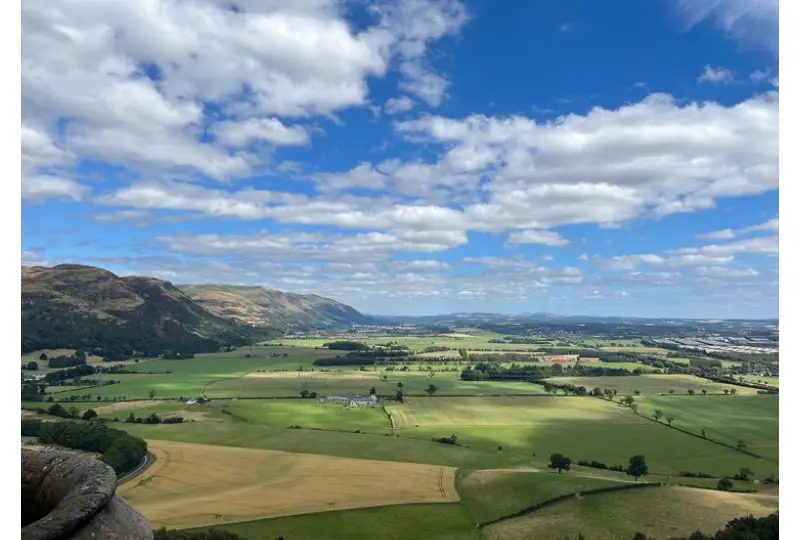
Why Consider Selling Land for Cash?
There are several reasons why landowners opt for a cash sale. Here are some of the most common motivations:
Quick Sale Process
The primary advantage of selling land for cash is the speed of the transaction. Without the need to wait for buyers to secure financing or jump through multiple hoops, you can often close the deal in as little as two weeks.
Avoiding Realtor Commissions
In traditional sales, a realtor typically takes a commission, which is usually between 5% and 6% of the sale price. By selling your land directly for cash, you can bypass agent fees and pocket more of the sale price.
Fewer Closing Costs
When you sell land for cash, the closing process is streamlined. There are usually fewer fees associated with the transaction, meaning you’ll pay less in terms of closing costs, title insurance, and other expenses.
No Financing Contingencies
With a cash sale, you don’t have to worry about the buyer’s financing falling through. Cash buyers typically have the funds readily available, so there’s less risk that the deal will collapse due to loan issues.
Sell Land As-Is
Cash buyers typically purchase land in its current condition. This means you won’t need to make repairs, clear the land, or deal with other issues that might be necessary in a traditional sale.
How to Sell Land for Cash?
While selling land for cash is often a simple process, it’s important to understand the steps involved. Here’s a step-by-step guide to selling your land for cash:
Determine the Value of Your Land
Before selling your land, it’s crucial to have a good idea of its market value. The value of your land will depend on factors such as location, size, zoning, accessibility, and market demand. You can do some research online to see what similar properties are selling for, or you can hire a professional appraiser to get an accurate valuation.
Find a Cash Buyer
Finding a reputable cash buyer is a key part of the process. Some potential sources for cash buyers include:
- Land investors: Many investors specialize in purchasing land for cash, regardless of condition.
- Real estate investment companies: Some companies focus on acquiring land in bulk and often pay cash for properties.
- Online land buying services: There are websites and platforms dedicated to buying land for cash. You can submit information about your property and receive cash offers.
Make sure to vet potential buyers by checking their reputation and reviewing any testimonials or reviews from previous sellers.
Negotiate the Sale
Once you’ve identified a cash buyer, you’ll need to negotiate the terms of the sale. Cash offers can vary, so it’s important to review the offer carefully and ensure it aligns with your expectations. Some buyers may offer a lower price than market value, especially if they plan to resell or develop the land.
If you’re satisfied with the offer, you can proceed with the next steps. If the offer doesn’t meet your needs, you can always negotiate for a higher price or explore other buyers.
Prepare the Necessary Documents
Once you’ve agreed to the terms with your buyer, you’ll need to gather and prepare the necessary documentation for the sale. Common documents include:
- Title deed: This proves your ownership of the land.
- Survey report: If available, this shows the exact boundaries of the land.
- Tax documents: Buyers may ask for proof that property taxes are up to date.
- Lien documents: If there are any liens or encumbrances on the land, these will need to be resolved before the sale.
Your cash buyer may assist with preparing the necessary paperwork, but it’s a good idea to work with a real estate attorney to ensure everything is in order.
Close the Deal
The final step in the process is closing the sale. Since you’re selling for cash, this step is usually quick and straightforward. You and the buyer will sign the necessary documents, and the buyer will transfer the funds to you. In many cases, the buyer will pay you by wire transfer, check, or another method agreed upon.
Once the funds are transferred and the paperwork is filed, the deal is complete, and you are officially no longer the owner of the land.
Potential Pitfalls to Avoid
While selling land for cash can be a smooth process, there are a few potential pitfalls you should watch out for:
Lowball Offers
Cash buyers may offer less than market value for the land, especially if they plan to resell it for a profit. It’s important to evaluate the offer carefully and consider whether the sale price is acceptable to you. Don’t hesitate to shop around for multiple offers.
Scams and Fraud
Unfortunately, some individuals may attempt to scam landowners looking for a quick sale. Always deal with reputable buyers and be cautious of offers that seem too good to be true. Check references, read reviews, and ensure you’re working with a legitimate buyer.
Unresolved Liens or Taxes
If your property has any liens or unpaid taxes, these will need to be addressed before closing the sale. Buyers may be hesitant to purchase land with unresolved financial issues, so it’s essential to settle any debts or encumbrances prior to selling.
Emotional Attachment
Many landowners have an emotional attachment to their property, which can make it difficult to accept a lower offer. It’s important to detach yourself from emotional considerations and focus on the financial and practical aspects of selling.
How Much Can You Expect to Sell Land for?
The amount you can expect to receive for your land depends on a variety of factors. Some key determinants include:
- Location: Land in highly sought-after areas will typically sell for more than land in remote or undeveloped locations.
- Size: Larger parcels of land generally command higher prices.
- Zoning: Land zoned for residential or commercial development may be more valuable than land designated for agricultural use.
- Condition: If your land is already cleared, accessible, and ready for use, it may sell for more.
While cash offers for land are often lower than the market value, selling for cash can be a great way to get a quick and hassle-free sale.
Conclusion
Selling land for cash can be a convenient and efficient way to unload property, especially if you’re looking for a quick sale. By understanding the process and knowing what to expect, you can make informed decisions and avoid potential pitfalls. Whether you’re looking to sell due to financial need, relocation, or simply want to liquidate an asset, selling land for cash can offer a straightforward and profitable solution.
If you’re ready to take the next step, start by researching cash buyers, getting an accurate valuation of your land, and ensuring all necessary documents are in order. With the right preparation and a solid understanding of the process, you’ll be able to navigate selling land for cash with confidence.

Hi there! I’m Scott Ramsey, a passionate blogger with a keen interest in business, technology, and travel. Based in the vibrant United States, I explore the intersection of innovation and adventure in my writing. Join me on my journey as I share insights, tips, and experiences from the world of entrepreneurship, cutting-edge tech, and exciting travel destinations.