

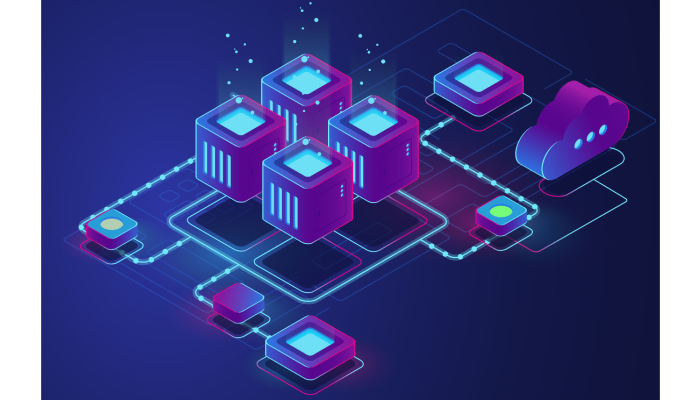
Security is a paramount concern in today’s digital landscape, and application delivery solutions play a crucial role in protecting sensitive data. These solutions are equipped with a variety of security features designed to safeguard applications from threats such as cyberattacks, data breaches, and unauthorized access. One of the fundamental security components is the implementation of secure sockets layer (SSL) and transport layer security (TLS) protocols, which encrypt data in transit, ensuring that information exchanged between users and applications remains confidential and protected from interception. Additionally, application delivery solutions often include web application firewalls (WAFs) that provide an additional layer of security by monitoring and filtering incoming traffic to detect and block malicious activity, thereby defending against common web exploits such as SQL injection and cross-site scripting. Furthermore, robust authentication mechanisms, including multi-factor authentication (MFA) and single sign-on (SSO), are integrated to verify user identities and control access to applications, ensuring that only authorized personnel can interact with sensitive data.
Maximizing Roi With Application Delivery Solutions: Strategies For Success
Maximizing return on investment (ROI) from application delivery solutions requires a strategic approach that aligns technology implementation with business objectives. Organizations must first assess their specific needs and identify the key performance indicators (KPIs) that will measure success. This begins with a thorough analysis of current application performance metrics, such as load times, user satisfaction scores, and downtime incidents, allowing businesses to set realistic goals for improvement. Implementing application delivery solution can lead to significant cost savings by optimizing resource utilization, reducing infrastructure costs, and minimizing the need for extensive IT support. To further enhance ROI, businesses should focus on adopting solutions that offer scalability, allowing for adjustments in response to changing user demands and traffic patterns. For instance, leveraging cloud-based application delivery solutions can provide the flexibility needed to accommodate spikes in usage without incurring unnecessary costs.
The Role Of Application Delivery Solutions In Enhancing User Experience
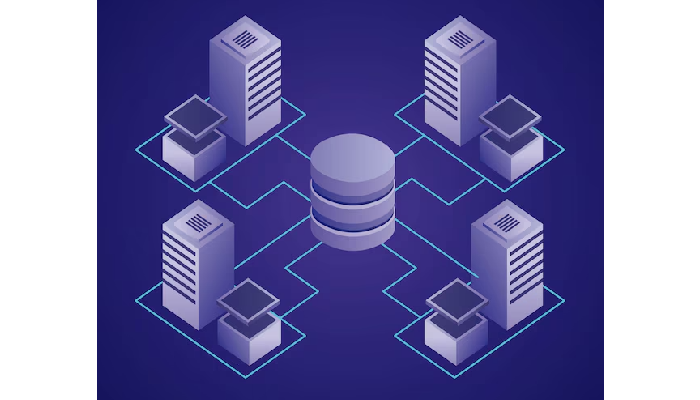
Application delivery solutions are pivotal in enhancing user experience by ensuring that applications are not only accessible but also perform optimally under various conditions. The user experience is often determined by application responsiveness, speed, and reliability, and application delivery solutions are designed to address these critical factors. By leveraging technologies such as content delivery networks (CDNs), organizations can distribute application content closer to users, thereby reducing latency and improving load times. This geographical proximity to users significantly enhances the speed at which applications respond to requests, contributing to a smoother user experience. Additionally, application delivery solution often incorporate intelligent traffic management capabilities that can route user requests based on real-time conditions, directing traffic away from congested servers to ensure consistent application performance even during peak usage times.
Application Delivery Solutions: Best Practices For Seamless Deployment
Integrating application delivery solutions into an organization’s existing infrastructure requires careful planning and execution to ensure a seamless deployment process. One of the best practices is to conduct a comprehensive assessment of the current environment, including existing applications, network capabilities, and security measures. This evaluation helps identify any potential integration challenges and ensures that the application delivery solution aligns with the organization’s technological landscape. A phased implementation approach can also be beneficial, allowing for gradual integration of the new solution while minimizing disruption to ongoing operations. During this phase, organizations should prioritize collaboration among IT teams, application developers, and stakeholders to ensure that all perspectives are considered and that the deployment meets the specific needs of users. It is also essential to establish clear communication channels throughout the integration process, providing updates to users about potential changes and new features that may enhance their experience.
The Future Of Application Delivery Solutions: Trends And Innovations
The future of application delivery solutions is poised for transformative changes driven by technological advancements and evolving user expectations. One of the most significant trends is the increased adoption of artificial intelligence (AI) and machine learning (ML) to enhance application performance and security. These technologies enable predictive analytics, allowing organizations to anticipate user demands and proactively optimize resource allocation. As businesses continue to shift towards cloud-native architectures, application delivery solutions will increasingly incorporate serverless computing models, providing greater flexibility and efficiency by allowing developers to focus on coding without worrying about underlying infrastructure management. Furthermore, the rise of edge computing is set to revolutionize application delivery by processing data closer to the source, significantly reducing latency and improving responsiveness for users.
Application Delivery Solutions In Action: Real-World Case Studies
Real-world case studies highlight the effectiveness and impact of application delivery solutions across various industries. For instance, a global e-commerce company implemented an application delivery solution that utilized a content delivery network (CDN) to optimize its website’s performance. As a result, the company experienced a 40% decrease in page load times, significantly improving user engagement and leading to a 25% increase in sales conversions. Another example involves a financial services provider that integrated application delivery solution to enhance its online banking platform. By leveraging intelligent traffic management and robust security features, the provider was able to offer a seamless and secure experience for its customers, ultimately boosting customer satisfaction scores by 30%.
Choosing The Right Application Delivery Solutions: A Comprehensive Guide
Selecting the right application delivery solutions is a critical decision for organizations looking to optimize their application performance and user experience. A comprehensive guide to this process involves several key considerations. First, organizations should assess their specific needs, including the types of applications being delivered, the expected user load, and the geographical distribution of users. Understanding these factors will help in identifying solutions that offer the right scalability and performance features. It is also essential to evaluate the security capabilities of potential solutions, ensuring they provide robust protections against cyber threats and comply with industry regulations. Cost is another important factor; organizations should analyze not only the initial investment but also the total cost of ownership, including ongoing maintenance and operational expenses. Vendor reputation and support services should not be overlooked, as reliable support can be invaluable during the deployment and maintenance phases.
Key Benefits Of Application Delivery Solutions: Efficiency And Performance
Application delivery solutions offer a myriad of key benefits that significantly enhance organizational efficiency and application performance. One of the most prominent advantages is improved application speed and reliability. By optimizing how applications are delivered, organizations can reduce latency and ensure that applications load quickly, leading to enhanced user satisfaction and engagement. Additionally, these solutions often incorporate load-balancing features that distribute user requests across multiple servers, preventing any single server from becoming overwhelmed and ensuring that applications remain accessible even during peak usage periods. This reliability is crucial for businesses that depend on continuous application availability for operations and customer interactions. Security is another vital benefit, as application delivery solutions provide advanced security features such as encryption, access control, and threat detection, helping organizations protect sensitive data and maintain compliance with regulatory standards.
Conclusion
Application delivery solutions are essential for organizations striving to optimize their applications’ performance, security, and user experience. By understanding the various aspects of these solutions, including their security features, ROI strategies, integration best practices, and future trends, organizations can effectively leverage these technologies to achieve their business objectives. Real-world case studies demonstrate the tangible benefits that application delivery solution provide across diverse industries, highlighting their potential to enhance efficiency and performance. When choosing the right application delivery solution, a comprehensive approach that considers organizational needs, cost, vendor support, and integration capabilities is critical for success.
Resource URL:
https://en.wikipedia.org/wiki/Application_delivery_network
https://www.edgenexus.io/eadp-edgenexus-application-delivery-platform/

Hi there! I’m Scott Ramsey, a passionate blogger with a keen interest in business, technology, and travel. Based in the vibrant United States, I explore the intersection of innovation and adventure in my writing. Join me on my journey as I share insights, tips, and experiences from the world of entrepreneurship, cutting-edge tech, and exciting travel destinations.