

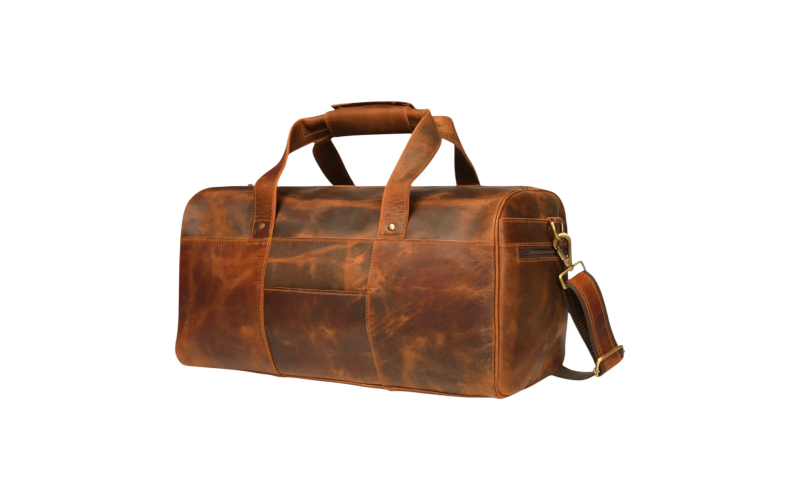
Antique leather goods are cherished possessions that embody history, craftsmanship, and timeless elegance. From vintage handbags and trunks to aged leather-bound books and equestrian accessories, these pieces offer a glimpse into past eras. However, as leather is an organic material, it is vulnerable to deterioration over time. Without proper care, antique leather goods can suffer from dryness, cracking, mold, and fading. To ensure these treasured items remain intact for future generations, it is essential to follow best practices for cleaning, conditioning, storing, and restoring them.
Understanding The Nature Of Antique Leather
Leather is a natural material derived from animal hides, and its durability is influenced by factors such as tanning methods, environmental exposure, and handling. Antique leather goods, in particular, may have been treated with vegetable tanning, which makes it sensitive to moisture and pH changes. Over time, exposure to light, air pollutants, and humidity can weaken its fibers, leading to brittleness and discoloration. Understanding these characteristics helps in developing effective preservation techniques.
Proper Cleaning Techniques
Regular cleaning is crucial for maintaining the appearance and integrity of antique leather goods. However, aggressive cleaning methods can do more harm than good. Follow these gentle yet effective steps:
- Dusting: Use a soft, dry cloth or a soft-bristle brush to remove surface dust and dirt.
- Spot Cleaning: For minor stains, use a slightly damp microfiber cloth with distilled water. Avoid soaking the leather, as excess moisture can cause warping.
- Using pH-Balanced Cleaners: Choose a leather-specific cleaner that is pH-balanced and free from harsh chemicals. Apply a small amount to a soft cloth and gently wipe the surface.
- Avoiding Harsh Chemicals: Alcohol, acetone, and ammonia-based products can strip leather of its natural oils, leading to dryness and cracking.
Conditioning For Longevity
Conditioning antique leather goods helps replenish lost moisture and maintain suppleness. Over time, leather loses its natural oils, making it prone to drying out. Here’s how to condition antique leather properly:
- Choosing the Right Conditioner: Use a high-quality, pH-balanced leather conditioner made from natural oils like lanolin or neatsfoot oil.
- Applying Conditioner Sparingly: Apply a small amount of conditioner to a soft cloth and gently rub it into the leather in circular motions.
- Allowing Absorption: Let the leather absorb the conditioner for a few hours before buffing off any excess with a dry cloth.
- Avoiding Over-Conditioning: Over-conditioning can make leather sticky or overly soft, which may compromise its structure.
Proper Storage Methods
Storing antique leather goods correctly prevents premature aging and damage. Consider the following storage guidelines:
- Controlled Environment: Store leather items in a cool, dry place away from direct sunlight and extreme temperatures.
- Using Breathable Covers: Instead of plastic bags, use cotton or muslin covers to allow airflow and prevent moisture buildup.
- Avoiding Humidity: Excess humidity can cause mold growth, while very dry conditions can lead to cracking. A humidity level of 40-50% is ideal.
- Supporting Structure: For handbags and shoes, use acid-free tissue paper to maintain their shape.
Preventing Common Leather Deterioration Issues
Several factors contribute to the deterioration of antique leather goods. Knowing how to prevent and address these issues is vital:
- Cracking and Dryness: Regular conditioning and proper storage can prevent dryness.
- Mold and Mildew: Store leather in well-ventilated areas, and use silica gel packets to absorb excess moisture.
- Fading and Discoloration: Keep leather away from direct sunlight and UV exposure to prevent fading.
- Pest Damage: Protect leather items from insects and rodents by storing them in sealed but breathable containers.
Restoration And Repair
Despite the best efforts, some antique leather goods may require restoration. Professional restoration services are available for extensive damage, but minor repairs can be done at home:
- Surface Scratches: Use a small amount of leather cream or dye to blend and cover minor scratches.
- Cracked Leather: Apply a leather filler or repair balm to smooth out small cracks.
- Restoring Color: Leather dye or polish can revive faded leather, but always test on a small, inconspicuous area first.
- Professional Restoration: For severe damage, consult a leather restoration expert to prevent further harm.
Ethical Considerations In Preserving Antique Leather
As more people become conscious of sustainability and ethical sourcing, preserving antique leather goods is an eco-friendly practice. Rather than discarding old leather items, restoration extends their lifespan and reduces waste. Additionally, antique leather often comes from traditional tanning methods that used fewer synthetic chemicals, making them more environmentally friendly compared to modern mass-produced leather goods.
Conclusion
Antique leather goods hold immense historical, aesthetic, and sentimental value. By implementing proper cleaning, conditioning, storage, and restoration techniques, these treasures can be preserved for future generations to appreciate. Whether it’s a vintage leather jacket, a family heirloom trunk, or a centuries-old book, caring for antique leather ensures that its beauty and legacy endure over time. Investing in their maintenance not only honors the craftsmanship of the past but also contributes to a more sustainable and mindful approach to leather preservation.

Hi there! I’m Scott Ramsey, a passionate blogger with a keen interest in business, technology, and travel. Based in the vibrant United States, I explore the intersection of innovation and adventure in my writing. Join me on my journey as I share insights, tips, and experiences from the world of entrepreneurship, cutting-edge tech, and exciting travel destinations.