

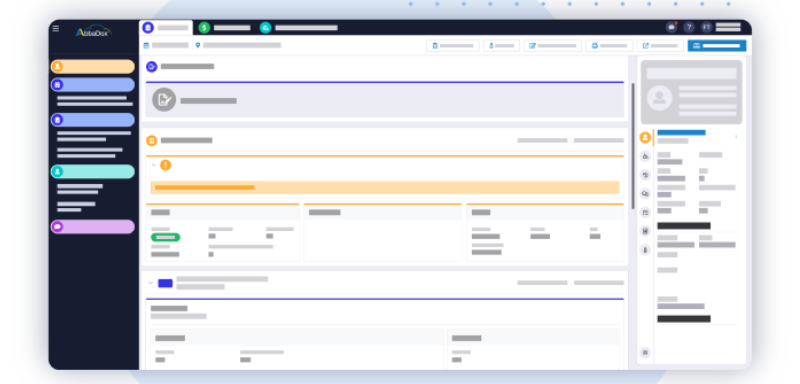
In the realm of healthcare, precision and accuracy are paramount, especially within radiology where diagnostic decisions heavily rely on imaging results. A Radiology Information System emerges as a crucial tool to enhance patient care by reducing errors and streamlining processes. This integrated system not only manages patient data but also aids in scheduling, image tracking, and reporting. By centralizing information, RIS minimizes the risk of errors arising from disjointed data sources and manual record-keeping. The automated workflows and standardized processes within RIS mitigate transcription errors and ensure consistent documentation across departments. Consequently, healthcare providers can deliver prompt and accurate diagnoses, leading to improved patient outcomes and safety.
Overview Of Radiology Information System: Benefits Of Minimizing Mistakes
The Radiology Information System serves as a backbone for effective healthcare operations. By focusing on minimizing mistakes, RIS offers a multitude of benefits that resonate throughout the medical ecosystem. The system’s ability to consolidate patient data, appointment scheduling, and image management within a single platform significantly reduces the chances of errors stemming from data fragmentation or miscommunication. RIS fosters seamless collaboration among radiologists, clinicians, and support staff, facilitating swift information exchange and minimizing misunderstandings. Additionally, by automating tasks like result reporting and record-keeping, RIS minimizes the risk of human error inherent in manual processes.

Effective Strategies For Utilizing A Radiology Information System To Mitigate Error
To harness the full potential of a Radiology Information System (RIS) in error mitigation, healthcare institutions must adopt effective strategies that leverage its capabilities. Firstly, comprehensive training for all staff members involved in RIS operation is crucial. A well-trained team ensures accurate data entry, reduces input errors, and maximizes system utilization. Secondly, establishing standardized protocols for data input, image acquisition, and reporting fosters consistency and minimizes variability in results. Regular system audits and performance assessments help identify potential issues and correct them promptly.
How To Ensure Appropriate Accuracy Of Data Within Your RIS?
Maintaining accurate data within a Radiology Information System (RIS) is pivotal for reliable patient care. To ensure precision, healthcare facilities should implement several practices. First and foremost, enforce rigorous data entry standards. This involves training staff on proper data input techniques, emphasizing the importance of completeness and accuracy. Regular audits and data validation checks can identify discrepancies and correct them promptly. Integrating RIS with other hospital systems, such as Electronic Health Records (EHRs), guarantees consistent patient information across platforms. Employing data encryption and access controls safeguards against unauthorized modifications.
Best Practices For Minimizing Errors With RIS Workflows
Optimizing Radiology Information System (RIS) workflows to minimize errors requires a systematic approach. Start by designing standardized workflows that outline each step from patient registration to result delivery. Regularly review and update these workflows to accommodate changes and improvements. Integrate decision support tools into the RIS to aid radiologists in interpreting images accurately. Implement a dual-verification process for critical tasks, reducing the likelihood of oversight. Establish clear communication channels between radiologists, referring physicians, and support staff to prevent misunderstandings and misinterpretations.
Steps To Create A Streamlined RIS Infrastructure
Building a streamlined Radiology Information System (RIS) infrastructure requires a systematic approach. Begin by conducting a comprehensive needs assessment to understand the unique requirements of your institution. Choose a RIS solution that aligns with these needs and integrates seamlessly with existing systems like Picture Archiving and Communication Systems (PACS) and Electronic Health Records (EHRs). Collaborate with vendors and IT experts to customize the RIS to your workflow, ensuring efficient data flow and minimal disruptions.
Design intuitive user interfaces that reduce the learning curve for staff and decrease the chances of user-related errors. Implement robust data backup and disaster recovery protocols to safeguard against data loss. Regularly review and optimize system performance, incorporating user feedback for continuous improvement. Lastly, provide ongoing training and support to staff members to maximize the benefits of the streamlined RIS infrastructure and ensure its long-term success.
Learn How To Effectively Utilize Technology For Minimizing Error In Radiology
Embracing technology in radiology can significantly enhance accuracy and patient care. Start by implementing advanced imaging modalities that offer higher resolution and improved diagnostic capabilities. Artificial Intelligence (AI) algorithms can aid radiologists in detecting subtle abnormalities, reducing the risk of oversight. Integrating AI-driven decision support tools with your Radiology Information System (RIS) can offer valuable insights and minimize interpretational errors. Furthermore, adopting a Picture Archiving and Communication System (PACS) facilitates seamless image sharing and collaboration, reducing the chance of miscommunication.
Reduce RIS Connectivity Issues And Increase Data Accuracy
Maintaining robust connectivity within your Radiology Information System (RIS) is crucial for accurate and timely patient care. Ensure your RIS is compatible with other systems, such as Electronic Health Records (EHRs) and PACS, to enable smooth data exchange. Regularly update and patch your RIS software to prevent vulnerabilities that could lead to data inaccuracies. Implement redundancy and failover mechanisms to prevent disruptions due to network issues. Regularly monitor system performance and conduct connectivity tests to identify and address potential issues proactively. Provide training to staff on troubleshooting common connectivity problems, empowering them to resolve minor issues independently.
Conclusion
In the realm of radiology, technology presents both challenges and opportunities in minimizing errors. By effectively utilizing technology such as advanced imaging modalities, AI-driven decision support, and integrated systems like RIS and PACS, healthcare providers can enhance accuracy and patient outcomes. However, technology also comes with its own set of challenges, including connectivity issues and data accuracy concerns. To mitigate these challenges, it’s essential to adopt best practices, such as regular software updates, redundancy measures, and staff training.

Mathew Hicks is a world-renowned author and expert in the field of business and finance. He has written multiple books and articles on the subject and has been featured in numerous publications. His expertise has been sought by leading financial institutions around the world.