


California has long been a desirable place for real estate investment, attracting individuals and businesses alike. From its diverse landscapes to its thriving economy, the Golden State offers a range of opportunities for those interested in purchasing land. But is buying land in California a good investment? This article explores the benefits, risks, and key considerations for prospective buyers, focusing on the keyword California land for sale.
Why Invest in California Land?
High Demand for Land
California is one of the most populous states in the U.S., with major cities like Los Angeles, San Francisco, and San Diego driving demand for land. The need for residential, commercial, and agricultural spaces continues to grow, making land a valuable asset.
Appreciation Potential
Real estate in California has historically appreciated over time, and land is no exception. While market fluctuations exist, land in desirable locations tends to increase in value, offering investors a solid long-term return on investment.
Diverse Land Uses
When considering California land for sale, potential buyers should note the state’s diverse land options, including:
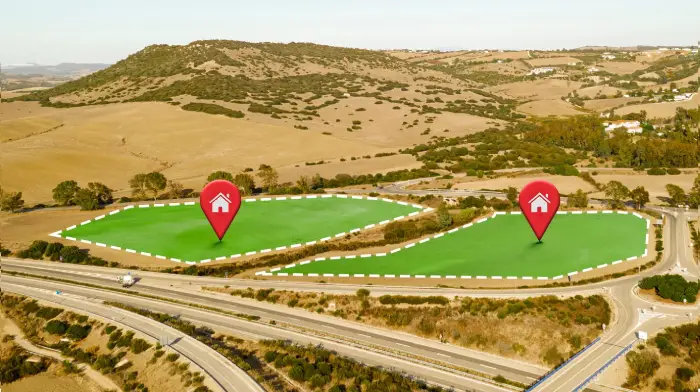
- Residential Land – Ideal for building homes or rental properties.
- Agricultural Land – California is a leader in farming, with regions like the Central Valley producing a significant portion of the nation’s crops.
- Commercial Land – Cities and growing suburbs present lucrative opportunities for businesses and developers.
- Recreational Land – Scenic properties in coastal, mountain, and desert areas attract tourism and outdoor enthusiasts.
Key Considerations Before Buying Land in California
Location Matters
The value and potential of your land investment depend largely on location. Coastal areas and major metropolitan regions often come with high price tags but strong demand, while rural properties may offer affordability but require careful market analysis.
Zoning and Land Use Restrictions
Before purchasing land, it’s crucial to understand local zoning laws. Some properties may be restricted for agricultural use, while others may be designated for residential or commercial development. Reviewing zoning regulations will help ensure the land aligns with your investment goals.
Infrastructure and Utilities
Land without access to utilities such as water, electricity, and sewage systems may require additional investment before development. If you’re considering a remote property, factor in the cost of bringing in necessary infrastructure.
Environmental Concerns
California is known for environmental regulations designed to protect natural resources. If a property is located in a flood zone, wildfire-prone area, or protected land, these factors may impact its usability and insurance costs.
Market Trends and Economic Conditions
Like any investment, timing is important. Researching market trends, interest rates, and economic forecasts will help you determine the right time to buy land in California.
The Pros and Cons of Buying Land in California
Pros:
- High appreciation potential – California’s growing population and economic strength drive long-term land value increases.
- Diverse investment opportunities – Buyers can explore different land types suited to various purposes.
- Scarcity of land – Limited availability in high-demand regions makes land a valuable asset.
- Passive investment – Unlike developed properties, raw land requires little maintenance.
Cons:
- High initial costs – Land in desirable areas can be expensive, requiring significant upfront investment.
- Property taxes and fees – California has higher property taxes and potential regulatory fees.
- Zoning and permitting challenges – Strict land-use regulations may limit development options.
- Market volatility – While historically strong, the real estate market can experience fluctuations.
Best Places to Buy Land in California
If you’re looking for California land for sale, consider the following regions:
Central Valley
This region offers affordable agricultural and residential land with strong farming and development potential.
Inland Empire
Located east of Los Angeles, this area is experiencing rapid growth and provides opportunities for residential and commercial development.
Northern California
Areas like Sacramento and Redding offer lower land prices compared to coastal cities while still providing development potential.
Desert Regions (Joshua Tree, Palm Springs, Mojave Desert)
These areas are popular for off-grid living, eco-friendly developments, and vacation rentals.
Coastal Areas (Mendocino, Big Sur, Santa Barbara)
While expensive, coastal properties offer significant appreciation potential and attract high-end buyers.
Conclusion
Investing in land in California can be a profitable venture if approached with thorough research and strategic planning. The state’s growing population, diverse land uses, and appreciation potential make it an attractive option. However, high costs, zoning restrictions, and market fluctuations should be carefully considered.
Before purchasing California land for sale, ensure you evaluate location, zoning laws, infrastructure, and environmental factors. Consulting with a real estate expert and conducting due diligence will help you make an informed investment decision that aligns with your financial goals.

Hi there! I’m Scott Ramsey, a passionate blogger with a keen interest in business, technology, and travel. Based in the vibrant United States, I explore the intersection of innovation and adventure in my writing. Join me on my journey as I share insights, tips, and experiences from the world of entrepreneurship, cutting-edge tech, and exciting travel destinations.