

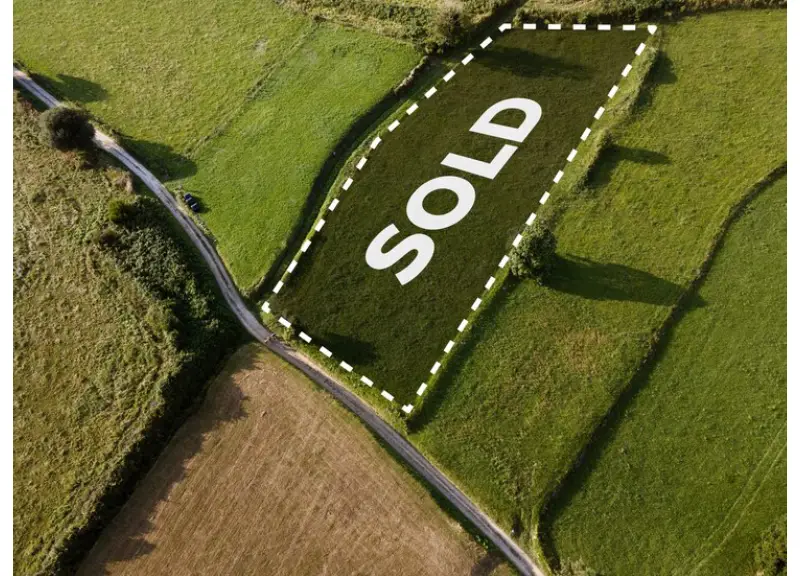
Selling land for cash can be an appealing option for many property owners who need to liquidate assets quickly. Whether you’re facing a financial emergency, wanting to simplify your life, or just looking for a hassle-free transaction, selling land for cash can provide an efficient and straightforward solution. This guide walks you through the steps of selling your land for cash quickly and easily, while providing essential insights into the process.
Why Sell Land for Cash?
Before diving into the details of how to sell land for cash, it’s important to understand why this approach is beneficial. Here are some key reasons why property owners choose to sell land for cash.
Quick Transactions: Cash buyers often streamline the process, enabling you to close a deal faster than traditional methods. This can be especially useful if you need immediate funds.
No Financing Issues: When you sell to a cash buyer, you avoid the risks associated with bank financing, such as loan approvals, appraisals, and contingencies that could delay or derail the sale.
Reduced Costs: Cash sales typically involve fewer fees and expenses, as there’s no need for financing paperwork, inspections, or realtor commissions, which can eat into your profits.
As-Is Sales: Cash buyers typically purchase land “as-is,” meaning you don’t have to worry about making repairs or investing in improvements to increase the land’s value.
No Hidden Surprises: Unlike traditional sales that may come with hidden costs or financing complications, cash transactions tend to be straightforward, giving you peace of mind.
Assess Your Land’s Value
Before you can sell land for cash, you need to determine its market value. The more accurately you price your land, the better chance you have of making a sale quickly. Here’s how to go about assessing its value.
Conduct Market Research
Start by researching comparable land sales in the area. If you’re unfamiliar with the process, a real estate agent can provide recent sales data for similar properties. Pay close attention to factors like.
- Location: Proximity to highways, schools, and urban centers can significantly impact your land’s value.
- Size and Shape: Larger and more easily accessible properties tend to be worth more.
- Zoning and Land Use: The zoning laws on your property (residential, commercial, agricultural, etc.) will affect its price. Understand the potential for development or the restrictions on the land.
- Topography and Features: Features like water sources, views, and soil quality can increase or decrease the value of the land.
Get a Professional Appraisal
If you’re unsure of the land’s value, hiring a professional appraiser can help. Appraisers are experts who assess land based on numerous factors, ensuring an unbiased valuation. This can give you an accurate idea of the price you should ask for, especially if you’re hoping to sell quickly and want to avoid underpricing.
Find Cash Buyers for Your Land
Once you’ve determined your land’s value, the next step is finding cash buyers. Here are some options to consider when looking to sell land for cash.
Real Estate Investors
One of the easiest ways to sell land for cash is by reaching out to real estate investors. These buyers are often looking for properties to purchase quickly and are experienced in buying land for cash. Real estate investors are typically able to move fast and may not require extensive inspections or negotiations. However, the price offered may be lower than what you’d receive in a traditional sale since they are looking for a profit margin.
Land Investment Companies
There are many companies that specialize in buying land for cash. These companies are often well-established and have the capital to purchase land quickly. Some well-known national land investment companies even make it easy to get an offer online. This option can be convenient for those looking for a simple and speedy transaction.
Online Platforms and Marketplaces
If you prefer a more traditional route, there are several online platforms where you can list your land for sale. Websites like LandWatch, Land And Farm, or Craigslist allow landowners to list their properties and reach potential cash buyers. While listing on these platforms gives you exposure, it may take longer to find a buyer, especially in less-demanded areas.
Local Real Estate Agents
Although real estate agents typically work with homes and commercial properties, many also have connections to buyers interested in purchasing land. An agent can help you find cash buyers, negotiate the terms, and facilitate the sale. While agents typically charge a commission, they may be able to help you secure a higher selling price.
Direct Mail Campaigns
Sending direct mail to potential buyers in your area can also be effective. Many investors and land buyers use direct mail as a marketing strategy to target landowners looking to sell. You can research land buyers in your region and send them a letter offering to sell your land.
Evaluate Offers and Negotiate
Once you’ve found potential buyers, the next step is to evaluate offers and negotiate. Keep in mind that the first offer isn’t always the best, especially if you’re working with an investor who is looking for a deal. Here are some things to consider during the negotiation process.
Timing of the Sale: Cash buyers will typically close the deal quickly, but confirm their timeline to ensure it aligns with your needs.
Closing Costs: In some cases, cash buyers may request that you pay for closing costs. Be sure to clarify who is responsible for these fees before accepting an offer.
Contingencies: Even though you’re selling for cash, make sure the offer doesn’t come with conditions, such as the need for inspections or appraisals.
Negotiating Price: If you feel an offer is too low, don’t hesitate to negotiate. Provide reasoning based on the land’s value and comparable sales in the area.
Understand the Terms: Ensure the sale agreement is clear, with no hidden fees or clauses that might affect the final price or timing.
Close the Deal
After negotiating and agreeing on a price with a cash buyer, it’s time to close the deal. In a typical land sale, closing involves signing a sale agreement, transferring the title of the land, and receiving payment. Since you’re selling for cash, the process is usually faster and more straightforward compared to traditional property sales.
Prepare the Necessary Documents
Before closing, gather the necessary documents to transfer the land’s ownership, which may include:
- Title Deed: Proof of ownership.
- Tax Records: Any outstanding property taxes.
- Survey Documents: If available, having a recent survey of the land can make the process easier.
- Disclosure Forms: In some areas, you may be required to disclose any known issues with the land.
Transfer Ownership
At closing, the buyer will typically provide payment, and you’ll sign over the property. If you’re working with a title company, they will facilitate the transaction and ensure the title is properly transferred to the buyer.
Receive Your Cash
Once the transaction is completed, you’ll receive your payment, typically through a wire transfer or check. Since this is a cash sale, the funds should be available immediately or within a few days.
Post-Sale Considerations
After the sale is complete, there are a few final things to consider.
Pay Off Taxes: Make sure you pay any outstanding taxes on the property, as this can affect your financial situation.
Remove Liens or Claims: If there were any liens or claims on the land, settle them before transferring ownership.
Record the Sale: Ensure the sale is officially recorded with the local government to prevent future disputes.
Review Your Financial Situation: Selling land for cash can provide a financial boost. Consider using the proceeds wisely, such as paying off debts or investing in other opportunities.
Conclusion
Selling land for cash can be an excellent way to liquidate property quickly and with minimal hassle. By following the steps outlined above—assessing your land’s value, finding cash buyers, evaluating offers, and closing the deal—you can ensure a smooth and efficient transaction. Whether you’re working with investors, or land companies, or using online platforms, understanding the process and key factors involved will help you make informed decisions and sell your land for cash quickly and easily.

Hi there! I’m Scott Ramsey, a passionate blogger with a keen interest in business, technology, and travel. Based in the vibrant United States, I explore the intersection of innovation and adventure in my writing. Join me on my journey as I share insights, tips, and experiences from the world of entrepreneurship, cutting-edge tech, and exciting travel destinations.