

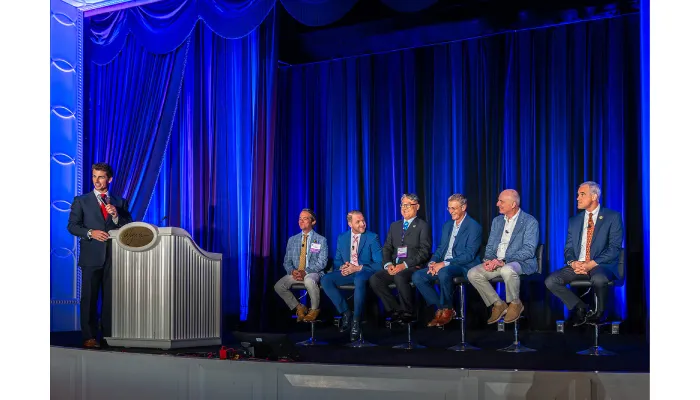
Networking at CME conferences in 2025 can be crucial for professional growth. Start your journey with pre-conference preparation by researching attendees and speakers, using platforms like LinkedIn to connect. Set clear networking goals—whether that’s meeting specific individuals or learning about new research. During the conference, leverage mobile apps designed for networking, and actively participate in workshops or social events to engage with peers. Prepare a brief elevator pitch and carry professional business cards to provide easy contact information. After the event, follow up on social media and send thank-you notes to strengthen connections, keeping communication active for future collaboration opportunities.
1. Pre-Conference Preparation Tips
Before attending CME conferences in 2025, it’s crucial to prepare effectively to maximize your networking opportunities. Start by researching the attendees and speakers. Familiarizing yourself with the conference agenda will help you identify key individuals you want to meet. Use platforms like LinkedIn to connect with them beforehand. For example, if you discover a speaker whose work aligns with your interests, send them a connection request along with a thoughtful message about their recent publication.
Setting clear networking goals is equally important. Think about what you want to achieve — whether it’s meeting specific individuals, learning about recent advancements in your field, or finding potential collaborators. By having a goal, you can focus your efforts and make the most of your time at the conference. For instance, if your aim is to connect with researchers in a particular area, you might prioritize attending relevant sessions and workshops.

2. Networking Effectively During the Conference
To network effectively during the conference, start by utilizing any networking apps provided by the event. These apps often allow you to view attendee profiles and set up meetings, making it easier to connect with others. Engaging actively in workshops and breakout sessions can also enhance your networking experience. For instance, if you attend a session on the latest advancements in cardiology, you might meet professionals who share your interests and can become valuable contacts.
Social events are another fantastic opportunity to network. Dinners and mixers typically have a more relaxed atmosphere, which can lead to organic conversations. For example, you might find yourself chatting with a speaker over dinner, discussing their latest research and potential collaboration.
Being approachable is key. Use open body language, maintain eye contact, and greet people with a smile. This can help others feel comfortable approaching you. Additionally, asking open-ended questions can spark deeper discussions. Instead of asking, “Did you enjoy the session?” try, “What was the most interesting point for you in that session?” This invites a more engaging conversation.
Finally, don’t forget about the power of personal branding. Having a clear and concise elevator pitch ready can help you present yourself effectively. For example, you might say, “I’m a clinical researcher focusing on diabetes management, and I’m looking to connect with others interested in innovative treatment strategies.” This not only describes who you are but also indicates what you’re looking for at the conference.
3. Building Your Personal Brand
Building your personal brand is essential for effective networking at CME conferences. Start by crafting a compelling elevator pitch that succinctly outlines who you are, your professional background, and what you aim to achieve at the conference. This prepares you to introduce yourself confidently to new connections. For instance, if you’re a researcher focused on oncology, you might say, “Hi, I’m Alex, a clinical researcher specializing in innovative cancer therapies. I’m here to learn about the latest advancements and explore collaboration opportunities.”
Additionally, always carry professional business cards that clearly display your contact information and areas of expertise. When you meet someone, exchanging cards can help solidify the connection and provide an easy way for them to reach out to you later. Make sure your cards reflect your personal brand, perhaps incorporating a logo or design that represents your work.
Lastly, be consistent in how you present yourself both online and offline. Ensure your LinkedIn profile and other professional social media accounts convey the same message as your elevator pitch and business cards. This cohesion will help others remember you and recognize your expertise long after the conference ends.
• Define your areas of expertise
• Create a professional online profile
• Develop a personal logo or brand icon
• Network with industry leaders and peers
• Use social media to share insights and content
• Attend workshops to improve your skills and knowledge
• Solicit feedback on your personal marketing materials
4. Follow-Up Strategies After the Conference
After the conference, it’s essential to maintain the connections you’ve made. Start by connecting on social media platforms like LinkedIn with the individuals you met. This helps keep the conversation going and opens up opportunities for future interactions. For instance, if you discussed a recent study with a fellow attendee, send them a message referencing that conversation to reinforce your connection.
Sending thank-you notes can also be impactful. If you had a meaningful conversation with a speaker or fellow attendee, a brief email expressing your appreciation can leave a lasting impression. For example, you might write, “Thank you for sharing your insights on the latest advancements in cardiology. I found our discussion on collaborative research particularly enlightening.”
Consider setting reminders to check in with your new contacts periodically. This could be as simple as sharing an article relevant to their interests or asking for their opinion on a topic related to your previous conversations. Staying engaged shows that you value the relationship and are interested in their work.
5. Leveraging Technology for Networking
In 2025, technology plays a crucial role in enhancing networking opportunities at CME conferences. For those attending virtually, utilize the conference’s online platform to participate in chat rooms or forums. Engaging in these digital spaces allows for real-time discussions and connections with other attendees, even from afar. If you’re attending in person, consider downloading the conference’s mobile app. These apps often feature attendee lists, session schedules, and messaging capabilities, making it easy to reach out to fellow participants and organize meet-ups.
Social media is another powerful tool for networking. Use platforms like Twitter and Instagram to follow the conference’s official accounts and engage with relevant hashtags. This not only helps you stay updated on conference happenings but also connects you with others who share similar interests. For example, if you post about a session you attended using the conference hashtag, you might attract comments and discussions from other attendees, leading to potential connections.
Additionally, consider using professional networking platforms like LinkedIn to expand your reach. Before, during, and after the conference, actively search for attendees and speakers to connect with. Personalize your connection requests by mentioning the conference, a session you both attended, or a topic of mutual interest. This approach makes your outreach more memorable and sets the stage for ongoing conversations.
6. How to Be Approachable?
To be approachable at CME conferences, start with your body language. Keep an open stance and make eye contact. A genuine smile can go a long way in making others feel comfortable approaching you. For instance, if you’re standing at a networking event, avoid crossing your arms and instead keep your hands relaxed at your sides or gesturing naturally as you speak.
Additionally, engage others by asking open-ended questions. Instead of simply asking, “Did you enjoy the session?” try something more engaging like, “What was your biggest takeaway from the session?” This invites a more meaningful dialogue and shows that you’re genuinely interested in their thoughts. Conversations that delve deeper can lead to stronger connections.
7. Identifying Key Individuals to Connect With
To maximize your networking efforts at CME conferences, it’s essential to identify and connect with key individuals in your field. Start by targeting influencers such as prominent researchers, speakers, or thought leaders attending the conference. For example, if a leading expert in your specialty is giving a talk, prepare thoughtful questions or comments about their recent work to initiate a conversation. This not only shows your genuine interest but also establishes a connection based on shared professional interests.
Additionally, look for peers who are working on projects or research that align with your goals. Engaging with fellow attendees who have similar interests can lead to collaborative opportunities. Consider reaching out to those whose work resonates with you, perhaps through their published papers or presentations. Approaching them after a session or during a break can open the door for meaningful discussions about potential partnerships or shared research endeavors.
Making a list of individuals you want to connect with prior to the conference can also help you stay focused. Utilize the conference app to check attendee profiles, which can provide insights into their areas of expertise. By strategically identifying and approaching these key individuals, you can enhance your networking experience and create lasting professional relationships.
8. Staying Engaged After the Conference
To maintain the connections you made at the CME conference, it’s essential to stay engaged. One effective way is to join professional groups related to your field. For instance, if you met fellow healthcare professionals interested in telemedicine, consider joining a telemedicine association. This not only keeps you updated on industry trends but also provides ongoing networking opportunities.
Additionally, participate in online discussions by engaging in forums or communities that focus on topics relevant to the conference. For example, if there is a session on innovative cancer treatments, join a dedicated online group where you can share insights and continue discussions with peers who share your interests. This ongoing engagement can lead to collaboration opportunities and enhance your professional growth.
Frequently Asked Questions
1. What should I bring to a CME conference for networking?
You should bring business cards, a notebook for taking notes, and any materials that showcase your work or interests.
2. How can I start a conversation with someone at a CME conference?
You can start by introducing yourself, discussing the conference topics, or asking about their experience in the field.
3. What are good ways to follow up after meeting someone at a CME conference?
You can send a quick email or connect on LinkedIn mentioning your meeting and expressing interest in staying in touch.
4. Are there specific networking events I should attend at CME conferences?
Yes, look for workshops, panel discussions, and social events that are designed for networking.
5. How can I make a lasting impression when networking at a CME conference?
Be genuine, listen actively, and share your knowledge or insights to create a memorable connection.
TL;DR To network effectively at CME conferences in 2025, prepare by researching attendees, setting goals, and refining your personal brand. During the conference, utilize networking apps, engage in sessions, and attend social events. After the event, follow up with connections on social media and send thank you notes. Be approachable and ask open-ended questions, identify key individuals to connect with, and stay engaged post-conference by joining professional groups and participating in online discussions.

Mathew Hicks is a world-renowned author and expert in the field of business and finance. He has written multiple books and articles on the subject and has been featured in numerous publications. His expertise has been sought by leading financial institutions around the world.