

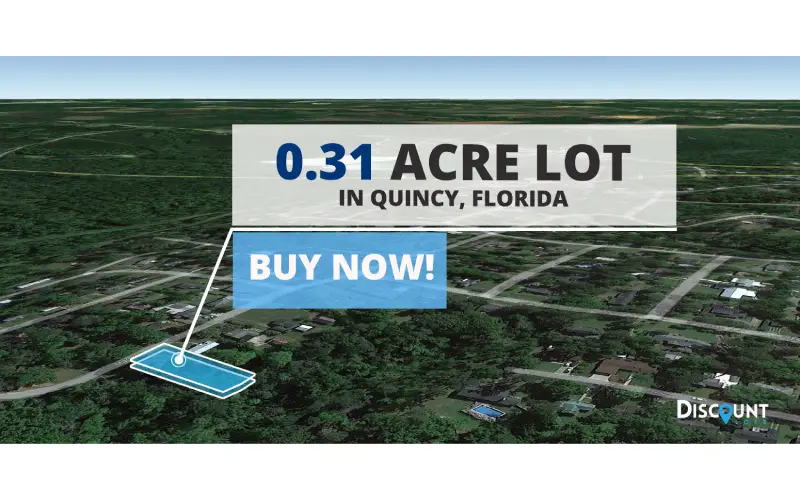
When searching for land for sale in Florida, it’s essential to have a strategic approach to ensure a smooth and hassle-free experience. Whether you’re purchasing land for investment, development, or personal use, careful planning, research, and the right professionals can make the process seamless. This guide covers the essential steps to help you navigate the land-buying process efficiently.
Define Your Purpose For Buying Land
Before you start browsing listings for land for sale in Florida, clarify your objectives. Are you planning to build a home, start a business, or invest for future appreciation? The intended use will influence key factors such as location, zoning regulations, and utility access. Having a clear purpose will help narrow down suitable options and prevent unnecessary delays.
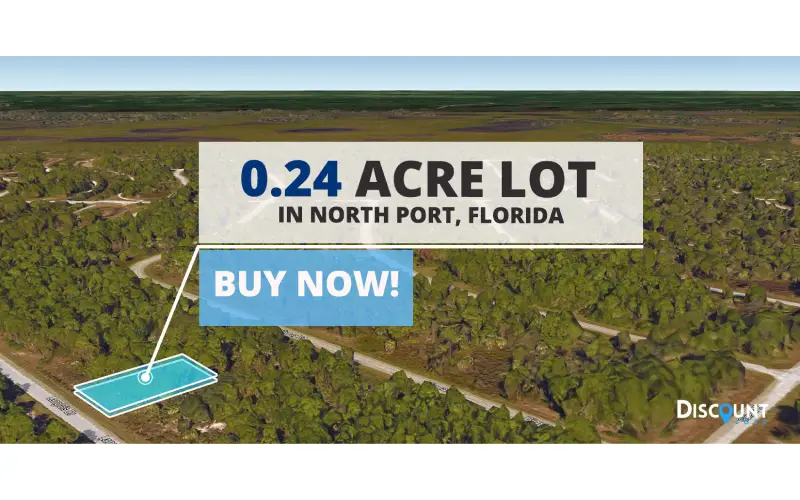
Research The Best Locations In Florida
Florida offers diverse land options, from coastal properties to rural acreage. Conduct thorough research on the best areas that align with your goals:
- Urban Areas: Ideal for commercial investment or residential developments.
- Suburban Locations: Great for family homes with proximity to schools and amenities.
- Rural Areas: Suitable for farming, recreational land, or secluded getaways.
Consider factors such as climate, flood zones, road access, and proximity to essential services before making a decision.
Set A Realistic Budget
Establish a budget that includes more than just the land’s purchase price. Consider the following costs:
- Closing costs (title insurance, legal fees, recording fees)
- Property taxes and assessments
- Survey and soil tests
- Land clearing and site preparation
- Utility installation (water, electricity, septic system)
Having a well-defined budget prevents financial surprises and ensures you stay within your financial means.
Check Zoning And Land Use Regulations
Every parcel of land has zoning regulations that dictate its permissible use. Before purchasing land for sale in Florida, verify zoning laws through the local county office or zoning department. Some common zoning classifications include:
- Residential: Allows for single-family or multi-family homes.
- Agricultural: Suitable for farming and livestock.
- Commercial: Designated for businesses and retail establishments.
- Industrial: Intended for factories, warehouses, or manufacturing.
If you have a specific project in mind, ensure the land’s zoning aligns with your plans. Additionally, inquire about future development plans in the area that may impact property values.
Conduct A Thorough Land Inspection
Unlike buying a home, purchasing vacant land requires careful site evaluation. Before finalizing a purchase, consider:
- Topography: Steep slopes, wetlands, or rocky terrain can complicate construction.
- Soil Quality: Conduct a soil test to determine if the land can support your intended structure.
- Environmental Restrictions: Some areas may have conservation restrictions that limit development.
- Flood Zones: Check FEMA flood maps to assess the risk of flooding, which may affect insurance costs and building permits.
Hiring a professional land surveyor and environmental specialist can help identify potential issues before closing the deal.
Verify Access To Utilities And Infrastructure
One of the biggest challenges in buying land for sale in Florida is ensuring access to utilities. Not all vacant land has ready access to essential services like:
- Electricity
- Water supply (municipal or well water)
- Sewage system (public sewer or septic system)
- Internet and phone services
Determine whether utilities are available on-site or if you need to invest in costly infrastructure extensions. If the land is in a remote area, verify the feasibility of off-grid solutions.
Work With A Real Estate Professional Specializing In Land Sales
Navigating the complexities of land purchasing can be overwhelming. Partnering with a real estate agent who specializes in land for sale in Florida can simplify the process. A knowledgeable agent can assist with:
- Finding the best listings within your budget and preferences.
- Negotiating a fair price.
- Understanding legal and zoning requirements.
- Recommending surveyors, attorneys, and inspectors.
A seasoned real estate professional can help you avoid costly mistakes and ensure a smooth transaction.
Secure Financing For Your Land Purchase
Unlike traditional home loans, land purchases often require different financing options. Consider the following ways to finance your land purchase:
- Land Loans: Offered by banks and credit unions, requiring higher down payments and interest rates than home loans.
- Owner Financing: Some sellers may offer direct financing with flexible terms.
- Home Equity Loan: If you own property, you can use your home’s equity to finance the land purchase.
- Personal Loans or Cash Payment: If the land is affordable, paying in cash can expedite the process and eliminate interest costs.
Consult with financial institutions or mortgage brokers to find the best financing option for your needs.
Conduct A Title Search And Secure Title Insurance
A title search is crucial to ensure the land is free from legal disputes, unpaid taxes, or claims from previous owners. Title insurance provides protection against future claims and guarantees a clear property title. Work with a reputable title company or attorney to verify ownership records before proceeding with the purchase.
Review And Finalize The Purchase Agreement
Once you’ve completed all necessary inspections and verifications, carefully review the purchase agreement before signing. Ensure it includes:
- The agreed-upon purchase price and payment terms.
- Contingencies for zoning approval, inspections, or financing.
- A clear description of property boundaries and included rights.
- Any seller obligations regarding improvements or disclosures.
Having a real estate attorney review the contract can safeguard your interests and prevent legal complications.
Conclusion
Buying land for sale in Florida can be a rewarding investment when approached with due diligence. By defining your objectives, researching locations, verifying zoning laws, conducting inspections, and working with real estate professionals, you can make the process smooth and hassle-free. Taking these steps ensures you make an informed decision and secure a valuable property that meets your needs and goals.

Hi there! I’m Scott Ramsey, a passionate blogger with a keen interest in business, technology, and travel. Based in the vibrant United States, I explore the intersection of innovation and adventure in my writing. Join me on my journey as I share insights, tips, and experiences from the world of entrepreneurship, cutting-edge tech, and exciting travel destinations.