

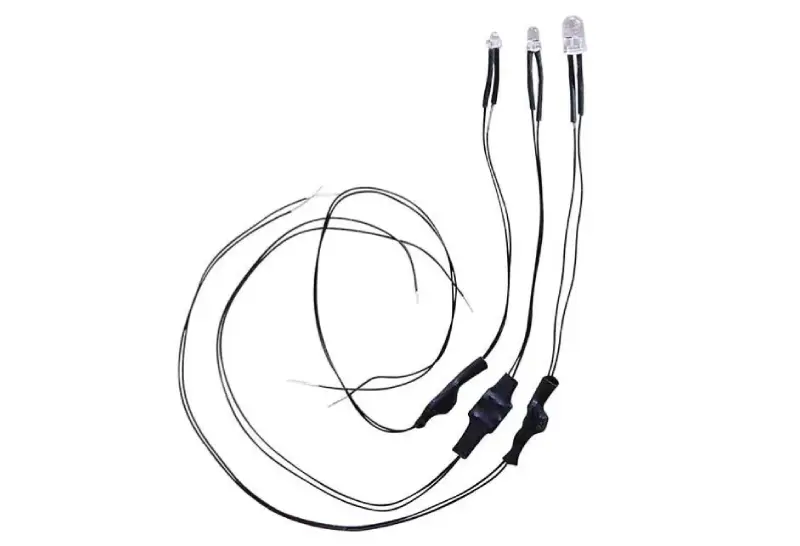
When it comes to personalizing your car and making a bold statement, one of the easiest and most effective ways to do so is by adding LED lights. LED lighting is a popular trend in the automotive world, not only because of its sleek, modern look but also due to its functionality and efficiency. In this guide, we’ll explore how to enhance your car’s aesthetics with LED lights, including the types of LED lights, installation tips, and maintenance advice to help you get the most out of your lighting setup.
Why LED Lights for Cars?
LED lights offer numerous advantages over traditional car lighting, making them the perfect choice for those looking to upgrade their vehicle’s appearance. Some of the key benefits of LED lights for car include:
Energy Efficiency: LED lights consume far less power than incandescent bulbs, making them an eco-friendly choice.
Long-Lasting: LEDs are durable and can last much longer than traditional car lights. This means fewer replacements and long-term savings.
Vibrant Colors: LED lights come in a variety of colors, which can be used to create a custom aesthetic that suits your personality and style.
Quick Installation: Many LED lighting kits are designed for easy installation, allowing you to transform your car’s look without much hassle.
Brightness: LEDs provide a brighter, clearer light that not only enhances aesthetics but can also improve visibility in certain situations.
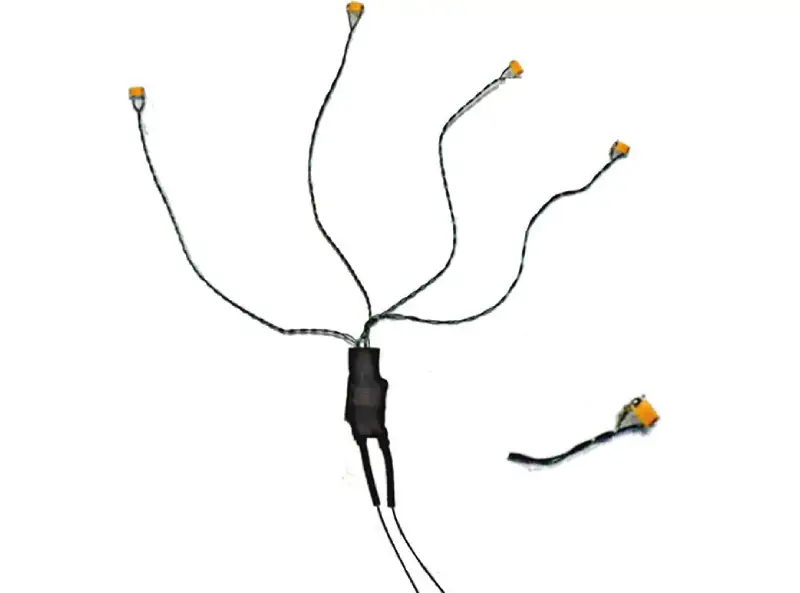
Types of LED Lights for Cars
When selecting LED lights for your car, it’s essential to choose the right type to match your desired aesthetic. Below are some popular options to consider:
Underbody LED Lights
Underbody LED lights are placed underneath the car, creating a glowing effect on the ground beneath the vehicle. This is one of the most striking ways to use LED lights to enhance your car’s aesthetics, giving it a futuristic, eye-catching appearance. Underbody lights come in various colors and effects, from steady colors to flashing or fading lights, allowing you to customize your look. This type of lighting is ideal for car enthusiasts looking for a show-stopping effect.
Interior LED Lights
Adding LED lights inside your car can create a more immersive and stylish environment. Interior LED kits typically feature strips that can be installed around the dashboard, footwells, doors, or cup holders. The soft, colorful glow they emit can make your driving experience more enjoyable and visually appealing. With options for adjustable colors and brightness, interior LED lights are a versatile choice for creating the perfect ambiance.
LED Headlights and Taillights
LED headlights and taillights not only improve the look of your vehicle but also provide better lighting performance. They are brighter and more energy-efficient than standard halogen lights, which helps improve nighttime visibility. Custom LED headlights and taillights come in a range of styles, including angel eyes, halo rings, and projector lenses, allowing you to personalize your vehicle’s front and rear lighting with a sleek, modern design.
LED Strip Lights
LED strip lights are flexible and can be installed in various places throughout your vehicle, such as along the grille, door handles, or even on the side mirrors. These strips can be cut to size and are available in a range of colors and effects, making them perfect for adding accent lighting to specific areas of your car. LED strips are an excellent way to highlight certain features or add subtle highlights to the overall look.
LED Wheel Lights
For an extra touch of flair, LED wheel lights are becoming increasingly popular among car enthusiasts. These lights are installed inside the wheel well and illuminate the tires as they rotate, giving your car a dynamic, futuristic look. This lighting is perfect for those who want to make their vehicle stand out from the crowd and is especially effective for show cars or at night when the lights are most visible.
How to Install LED Lights in Your Car?
Installing LED lights in your car can be a fun and rewarding project. Here’s a basic guide to get you started with the installation:
Plan Your Lighting Setup
Before diving into the installation process, it’s important to plan where you want to place your LED lights. Think about the areas you want to accentuate, such as the underbody, footwells, or dashboard. Consider your car’s overall design and how the lighting will complement it. Sketch out a plan or use a design tool to visualize the final result.
Choose a Quality LED Kit
Select a high-quality LED kit that suits your needs. Ensure that the kit includes all necessary components, such as the LED strips, power adapters, and mounting hardware. It’s also essential to check that the kit is compatible with your vehicle’s electrical system.
Install the Lights
For underbody and wheel lights, begin by cleaning the area where you plan to install the lights to ensure proper adhesion. For interior lights, you may need to remove panels or trim to place the strips in the desired locations. Use the adhesive backing or mounting clips provided in the kit to secure the LED strips in place.
Connect the Wiring
Most LED kits come with easy-to-follow instructions for wiring. Generally, you’ll need to connect the LED strips to a power source, such as the car’s fuse box or battery. Many kits include a control box that allows you to adjust the brightness and color settings, so make sure to install this in a convenient location.
Test the Lights
Once everything is installed and connected, test your LED lights to ensure they are functioning correctly. Check the color options, brightness, and any additional effects the kit offers. If everything works as expected, you’re all set to enjoy your enhanced car aesthetics!
Tips for Maintaining Your LED Lights
To ensure that your LED lights continue to enhance your car’s aesthetics for years to come, regular maintenance is essential. Here are some tips to help you take care of your lights:
Clean the Lights Regularly: Dirt and grime can accumulate on your LED lights, reducing their brightness and appearance. Use a soft cloth or microfiber towel to gently clean the lights, making sure not to scratch the surface.
Check for Loose Connections: Periodically inspect the wiring and connections to ensure they are secure. Loose connections can cause the lights to flicker or fail to work entirely.
Protect the Lights from Water: If you have installed underbody lights, make sure they are properly sealed to prevent water damage. Water-resistant or waterproof LED kits are recommended for this purpose.
Avoid Overheating: LED lights generate minimal heat compared to traditional bulbs, but it’s still important to ensure that they are not exposed to excessive heat sources. Avoid placing them near hot engine parts or areas with limited airflow.
Conclusion
Enhancing your car’s aesthetics with LED lights is a fantastic way to add a personalized, eye-catching touch to your vehicle. Whether you’re looking to make a statement with underbody lights or create a cozy ambiance inside your car with interior LED strips, there are plenty of options to explore. By carefully selecting the right LED lights and following proper installation and maintenance procedures, you can enjoy a stylish, dynamic lighting setup that will make your car stand out wherever you go.
If you’re ready to transform your car with LED lights, take the time to research the best options for your vehicle and get started on your customization journey today!

Hi there! I’m Scott Ramsey, a passionate blogger with a keen interest in business, technology, and travel. Based in the vibrant United States, I explore the intersection of innovation and adventure in my writing. Join me on my journey as I share insights, tips, and experiences from the world of entrepreneurship, cutting-edge tech, and exciting travel destinations.