

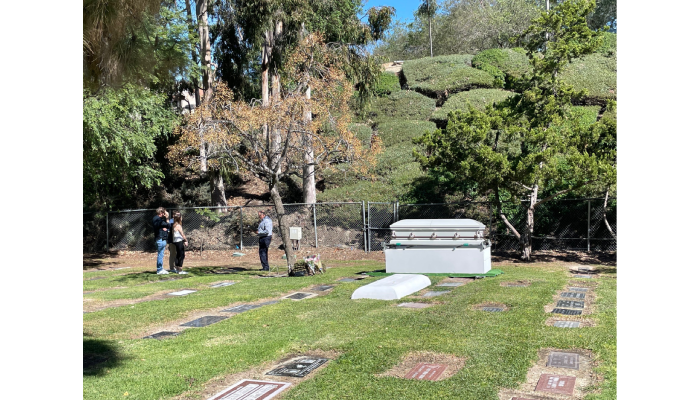
Southern natural funerals follow green burial traditions that help preserve the earth by avoiding harmful chemicals and non-biodegradable materials. Bodies are buried in simple, biodegradable coffins or shrouds without embalming fluids like formaldehyde, allowing natural decomposition to enrich the soil. These burials often take place in conservation areas where native plants and wildlife thrive, restoring ecosystems while providing green spaces for communities. In places like South Carolina and Texas, graves are dug shallowly with minimal disturbance, reflecting local culture and respect for nature. This approach reduces pollution, conserves land, lowers carbon emissions compared to cremation or traditional burials, and aligns with regional religious and cultural values emphasizing simplicity and earth’s cycle.
What Are Natural Funerals and Their Core Principles?
Natural funeral in Southern California focus on returning the body to the earth in the most natural way possible. This means burying the body directly in soil without embalming or using synthetic materials that slow decomposition. Chemical preservatives like formaldehyde are avoided because they can harm soil microbes and contaminate groundwater. Instead, biodegradable coffins, shrouds, or simple containers made from natural fibers such as wicker, bamboo, or untreated wood are used to let the body break down naturally. Graves are usually shallow to encourage microbial activity, which helps the body decompose efficiently. Burial vaults or liners are not used because they block natural breakdown and involve materials like concrete or metal that do not degrade. The burial site itself is often kept in a natural state without heavy landscaping or concrete structures, maintaining the land’s original ecosystem. When markers are used, they tend to be simple and made from natural elements such as engraved stones or native plants, rather than traditional headstones. This approach supports the recycling of organic matter back into the soil, enhancing soil health and respecting the cycle of life and death with minimal human interference. In contrast to conventional funerals, which rely on embalming fluids, metal caskets, and concrete vaults to preserve the body artificially, natural funerals emphasize simplicity and a low environmental impact throughout the burial process.

History and Culture Behind Southern Natural Funerals
Natural burial practices have been part of human tradition for thousands of years, long before modern embalming and vaults became common. In the Southern United States, many indigenous groups and early settlers buried their loved ones with minimal materials and without chemicals, reflecting a deep respect for the earth. Religious traditions like Islam and Judaism, which have long supported burial without embalming, align closely with these natural funeral principles. Southern natural funerals often draw from these older customs, emphasizing simplicity and a humble return to nature. Although the 19th century saw the rise of embalming and elaborate caskets that changed burial customs across the South, natural methods continued in rural and traditional communities. African American burial customs, for example, historically involved simple shrouds and natural grave markers instead of ornate vaults or caskets. Today, the South is experiencing a gradual return to these natural funeral practices, driven by both environmental awareness and a desire to reconnect with cultural roots. Local folklore and community values often support the idea of returning to the earth in a natural way, avoiding artificial preservation. Southern natural funerals uniquely blend cultural, religious, and ecological considerations, reflecting a cyclical history that moves from natural burial to modern embalming and now back toward green burial methods.
Different Types of Green Burial Grounds Explained
Green burial grounds come in several types, each with unique standards to protect the environment while honoring the deceased. Hybrid burial grounds prohibit embalming fluids and toxic chemicals but may allow some non-natural burial containers, as long as they are biodegradable. These grounds often serve as a transition for traditional cemeteries moving toward greener practices. Natural burial grounds take this further by meeting all hybrid standards and adding careful site planning to preserve the local ecosystem. They often include deed restrictions to ensure that green practices continue over time. Graves in natural burial grounds are usually dug by hand or with minimal machinery to limit soil disruption, helping maintain healthy microbial activity for natural decomposition. Conservation burial grounds focus on land preservation and ecological restoration alongside burial. They use burial fees to purchase and protect native land, restoring habitats and supporting endangered species. Many conservation sites double as natural preserves or parks, offering a place for both burial and environmental stewardship. Southern burial grounds often blend natural and conservation approaches to balance cultural traditions with ecological goals. Certification programs like those from the Green Burial Council help maintain consistent standards across these types, giving families confidence that their green burial choice truly supports the earth.
How Southern Funerals Avoid Harmful Chemicals and Materials?
Southern natural funerals steer clear of embalming fluids that contain formaldehyde and other toxic chemicals, which helps prevent contamination of soil and groundwater. Instead of metal or synthetic caskets, biodegradable coffins made from untreated wood, wicker, bamboo, or natural fibers are used, allowing the body to return to the earth naturally. Concrete vaults and liners are avoided since they require resource-heavy materials and slow decomposition. Graves are dug shallowly and with minimal machinery to protect the soil’s structure and its microbial life. Natural shrouds and simple containers replace plastic or metal options, reducing landfill waste. These funerals emphasize locally sourced materials to cut down transportation emissions and support nearby communities. Without chemical preservatives, microorganisms can break down the body naturally, enriching the soil. Grave markers tend to be minimal or made from natural elements instead of traditional stone monuments, which require quarrying and cement production. Funeral homes and cemeteries in the South often guide families on avoiding harmful substances during burial, further reducing the carbon footprint and toxic load linked to conventional funeral practices.
Restoring Soil and Wildlife Through Green Burial Practices
Green burial grounds in the Southern US often serve dual purposes as spaces for both remembrance and environmental restoration. These natural burial sites frequently act as conservation areas, helping to restore native plants and animal habitats such as prairies, hardwood forests, and wetlands. When bodies decompose naturally, the organic matter enriches the soil with vital nutrients, encouraging healthy plant growth and boosting microbial diversity. This process supports soil organisms like earthworms, fungi, and bacteria, which thrive without the presence of toxic chemicals commonly found in traditional embalming fluids. Land management at these sites typically includes removing invasive species and planting native vegetation to create a supportive environment for local wildlife, including pollinators and birds. Conservation burial fees often fund ongoing land protection and ecological restoration projects, helping to preserve undeveloped land and connect wildlife corridors. Unlike manicured cemeteries, green burial grounds usually maintain minimal landscaping, allowing natural ecological succession to proceed without disturbance. This approach not only fosters a cycle of renewal by returning bodies to the earth but also contributes to regional conservation efforts, offering local communities green spaces that promote biodiversity and sustain healthy ecosystems.
Examples of Green Burial Sites in the Southern US
Several green burial sites in the Southern US illustrate how natural funerals support both environmental preservation and cultural values. Ramsey Creek Preserve in South Carolina is a notable example, offering certified natural burial combined with land conservation and native habitat restoration. Here, the focus is on protecting local ecosystems like hardwood forests while providing a place for natural interment. In Texas, Countryside Memorial Park provides green burial options that strictly avoid embalming and use biodegradable containers, maintaining simplicity and environmental care. Many Southern green burial grounds limit grave markers to natural stones or native plants, preserving an undisturbed natural look and reducing physical impact on the land. Hand-dug graves or minimal machinery are common practices to avoid damaging the soil structure and microbial life. These sites are often located in rural or semi-rural settings, surrounded by native forests or prairies, which they actively manage by removing invasive species and planting native flora to support biodiversity. Memorialization is kept minimal; some places allow digital markers like QR codes, which reduce the need for traditional headstones and help maintain the site’s natural character. Many Southern green burial grounds work with conservation groups to ensure long-term land protection through deed restrictions that prevent future development and preserve the area as a natural sanctuary. Educational programs at these sites also raise awareness about natural burial benefits and encourage sustainable funeral practices across local communities.
Religious and Cultural Traditions Supporting Green Burials in the South
In the Southern United States, many religious and cultural traditions naturally align with green burial practices. Christian communities often emphasize the phrase “earth to earth,” reflecting a belief in returning the body simply to the soil without embalming or elaborate caskets. This approach fits well with natural funerals that avoid toxic chemicals and non-biodegradable materials. Similarly, Muslim and Jewish burial laws require the body to be buried quickly, without embalming, and wrapped in simple, natural shrouds, which matches the core principles of green burials. African American burial customs in the South have historically favored simple, natural interments, frequently avoiding grave vaults or marked stones, highlighting humility and respect for the earth. Additionally, some indigenous Southern groups practiced burial methods that emphasized a deep connection to the land, often using biodegradable materials and minimal disturbance to the soil. Modern Southern natural funerals respect and honor these diverse customs, incorporating prayers and rituals that focus on humility, simplicity, and stewardship of the earth. Religious leaders across the South increasingly endorse green burial as consistent with faith values and ecological responsibility. This growing cultural acceptance allows families to choose burial practices that both honor their spiritual traditions and support environmental preservation, bridging faith and modern ecological awareness in a way unique to the Southern context.
Innovative Eco-Friendly Burial Options in Southern Funerals
Southern natural funerals are embracing a variety of innovative eco-friendly burial options that honor both the deceased and the environment. Tree Pod Burials, for example, use biodegradable pods that hold the body and a seedling, allowing a tree to grow directly above the burial site, creating a living, growing memorial. Conservation burials take this a step further by using fees from burials to protect and restore natural habitats on the land, funding ecological projects that support biodiversity and native species. Community natural burial parks have also become popular in rural Southern areas, offering local, small-scale spaces that carefully balance burial needs with land preservation and restoration.
Many Southern cemeteries now offer biodegradable urns designed to be planted with native seeds or trees, supporting soil health and encouraging local flora to thrive. Green funeral homes in the South promote alternatives to traditional embalming, such as green embalming fluids free of toxic chemicals, and assist families in planning green burials that reduce environmental impact. Natural memorialization is encouraged through simple wooden markers or the planting of native wildflowers, avoiding heavy monuments that disrupt the landscape.
Frequently Asked Questions
1. How do Southern natural funerals reduce environmental harm compared to traditional funerals?
Southern natural funerals avoid harmful chemicals and non-biodegradable materials by using biodegradable caskets and avoiding embalming fluids. This helps prevent soil and water pollution, preserving the earth more effectively than many conventional methods.
2. What are green burial traditions and how are they practiced in Southern natural funerals?
Green burial traditions focus on returning the body to the earth naturally without interfering with decomposition. In Southern natural funerals, this means using natural materials, planting native species around the burial site, and choosing locations that protect and enhance the local ecosystem.
3. Can Southern natural funerals help support local ecosystems and wildlife?
Yes, by using native plants and natural burial methods, Southern natural funerals encourage healthy habitats for wildlife. Avoiding chemicals and non-biodegradable materials helps maintain soil quality and water systems, which benefits plants and animals in the area.
4. How does the use of biodegradable materials in Southern natural funerals contribute to earth preservation?
Biodegradable materials like wooden caskets, natural fibers, and organic shrouds break down naturally, returning nutrients to the soil without leaving harmful residues. This process supports soil health and reduces waste, which helps preserve the earth long-term.
5. What makes Southern natural funerals a respectful option for both the deceased and the environment?
Southern natural funerals honor the deceased by allowing a natural and dignified return to the earth, while also prioritizing the health of the environment. This approach reflects respect for life in all its forms and offers a meaningful way to protect natural resources for future generations.
TL;DR Southern natural funerals focus on green burial traditions that help preserve the earth by avoiding harmful chemicals, using biodegradable materials, and promoting natural decomposition. Rooted in local culture and religious practices, these funerals support soil restoration and wildlife conservation through eco-friendly burial grounds. Southern burial sites often double as natural preserves, balancing respect for the dead with environmental stewardship. Although legal and cultural challenges remain, innovative options like tree pod burials and conservation cemeteries are growing, offering an earth-friendly alternative to traditional funerals that align with regional values of simplicity and nature.

Mathew Hicks is a world-renowned author and expert in the field of business and finance. He has written multiple books and articles on the subject and has been featured in numerous publications. His expertise has been sought by leading financial institutions around the world.