

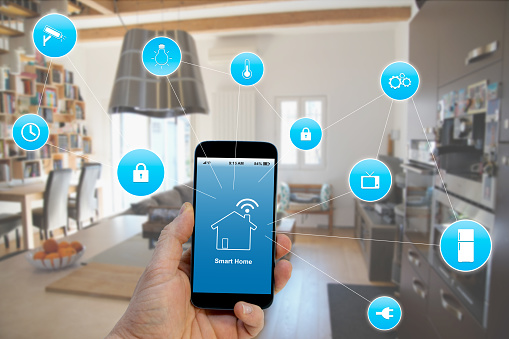
With the advent of smart home automation, you can now control everything in your home from your phone or computer. This not only makes life more convenient, but it can also save you money by automating tasks like turning on the lights when you get home, closing the garage door when you leave, and setting the thermostat to a comfortable temperature. So if you’re thinking of jumping onto the smart home automation bandwagon, be sure to read this article first!
What is Smart Home Automation?
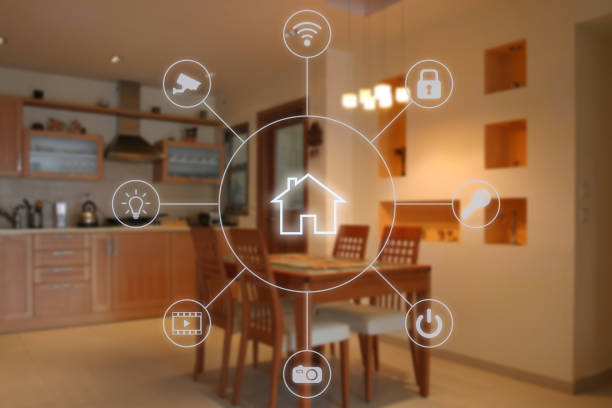
Smart home automation is the use of technology in the home to make life easier. Devices like smart locks, smart thermostats, and security cameras can all be controlled using a smartphone or tablet. This can make life more convenient by allowing you to control devices from anywhere in the world. Additionally, it can help to keep your home secure by monitoring your surroundings.
Smart home automation has many benefits for both individuals and families. For individuals, it can save time by letting them control devices from anywhere in the world. Additionally, it can help to keep your home secure by monitoring your surroundings. For families, it can make life easier by automating tasks like turning on lights and heating/cooling units when someone enters the house. As technology continues to evolve, there are sure to be even more benefits to smart home automation.
Types of Smart Home Systems
There are a variety of smart home systems on the market today, and each has its own benefits. Here’s a look at some of the most common types of systems.
- Nest Learning Thermostat: The Nest Learning Thermostat is one of the most popular smart home systems. It lets you control your temperature from anywhere in the world via an app or online portal. You can also set up schedules and alarms to help keep your home comfortable throughout the day.
- Ring Video Doorbell: The Ring Video Doorbell is a camera that you can place on your door to monitor who’s outside and whether or not they’re authorized to enter. If someone tries to break in without ringing the bell, you’ll get an alert on your phone.
- Philips Hue: Philips Hue is one of the most popular smart home systems because it lets you control a wide range of settings using a simple app. You can turn lights on and off, set timers, and more.
- Amazon Echo/Alexa: The Amazon Echo/Alexa is one of the best selling smart home systems because it’s so easy to use. Just press a button on the device to control your lights
How to Setup a Smart Home System
Adding smart home automation to your life can make it more convenient, secure, and comfortable. Here are four tips for getting started:
- Start by surveying your living space. What are the biggest conveniences you’d like to add to your life? This will help you decide which devices to invest in.
- Consider your lifestyle. Do you want your home to be responsive to your schedule or allergies? Do you want security features or energy savings?
- Evaluate your current systems. Are there any that could be improved with the addition of smart technology? For example, if you have a security system, is it possible to add motion sensors so that the system activates when someone enters or leaves the property?
- Talk to a professional. There are a variety of options for integrating smart home technology in your home, and not everyone is familiar with them all. A professional can help walk you through the process and recommend the best options for you.
Benefits of using a Smart Home System
There are many benefits to using a Smart Home automation system, including making life more convenient. Here are five of the biggest benefits:
- Reduced energy consumption: By automating common household tasks, like turning on lights when you enter a room or leaving a light on when you leave, your home will use less energy overall.
- Improved security: With devices monitoring and responding to events in your home, you can be sure that everything is secure and functioning as it should.
- Increased comfort: Automated systems can regulate temperature and humidity levels, ensuring that you stay comfortable all year round.
- Enhanced communication: With devices able to send and receive information wirelessly, you can run your entire home from one central location.
- Reduced clutter: With devices acting as automation for common tasks, like turning off appliances when you leave the house or setting alerts for important events, there’s less need for clutter in your home.
Conclusion
With the advances in technology, it’s becoming easier and more convenient to automate aspects of our lives. From turning on your lights when you get home to adjust the temperature in your house based on your preferences, automation can make a big difference in how we live and work. If you’re looking to start automating some of your tasks or add some convenience to your life, be sure to check out some of the smart home devices available on the market today.

Mathew Hicks is a world-renowned author and expert in the field of business and finance. He has written multiple books and articles on the subject and has been featured in numerous publications. His expertise has been sought by leading financial institutions around the world.