

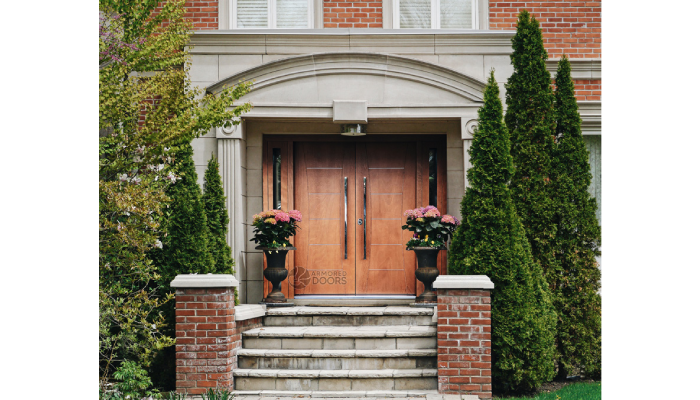
In today’s world, safety and security are top priorities for homeowners. Whether due to natural disasters, break-ins, or civil unrest, having a secure space in the home can provide invaluable peace of mind. Residential safe rooms are an increasingly popular solution, offering protection for families when emergencies arise. This guide explores how residential safe rooms work, why they are essential, and the peace of mind they provide.
What Is A Residential Safe Room?
A residential safe room is a fortified, secure area within a home designed to protect occupants during an emergency. These rooms are typically built to withstand extreme conditions, such as severe weather, home invasions, or civil unrest. Depending on the intended purpose, they can be equipped with features like bulletproof walls, reinforced doors, ventilation systems, and emergency supplies.
The primary goal of a safe room is to provide a secure space where residents can take refuge and remain safe until the danger has passed. Safe rooms come in various forms, ranging from simple reinforced closets to elaborate underground bunkers.

The Benefits Of Residential Safe Rooms
- Protection from Natural Disasters Natural disasters, such as tornadoes, hurricanes, and earthquakes, can strike without warning. In areas prone to severe weather, a residential safe room acts as a secure refuge. These rooms are built to withstand high winds, flying debris, and even structural collapses, ensuring that those inside are safe from the worst that nature can offer.
In tornado-prone regions, for example, a safe room can be constructed to meet FEMA (Federal Emergency Management Agency) guidelines, which require the room to be able to withstand winds of up to 250 miles per hour. For families living in flood zones or earthquake-prone areas, a safe room can provide vital protection during these unpredictable events. - Protection During Home Invasions Home invasions are unfortunately becoming more common. When burglars or intruders break into a home, they often target high-value areas like bedrooms, living rooms, or even safes. A residential safe room provides a secure location where family members can hide while authorities are notified or the situation de-escalates.
The importance of a safe room during a home invasion cannot be overstated. It gives residents a place to retreat to, while also offering a safe space to make emergency calls and wait for police or security to arrive. Many safe rooms are also equipped with communication systems to keep residents connected with the outside world during an emergency. - Peace of Mind for Families The most significant benefit of residential safe rooms is the peace of mind they provide. Knowing that there is a designated, fortified space in the home for emergencies can ease the anxiety that many homeowners feel about potential threats. This peace of mind is not just for the adults but also for children, elderly family members, and anyone else in the home.
Having a safe room can also foster a sense of security, allowing family members to sleep better at night without worrying about what might happen in the event of an emergency. This mental and emotional comfort is one of the most important aspects of a residential safe room. - Increased Property Value While the idea of a safe room is often seen as a necessity in high-risk areas, its value extends beyond just safety. A well-designed and properly constructed safe room can actually increase the overall value of a property. Real estate buyers often look for homes that offer extra security features, and a safe room is an attractive selling point.
Homes in regions with frequent natural disasters or a higher crime rate can see a significant boost in their market value if they are equipped with a safe room. In addition, as more homeowners recognize the importance of security, having a residential safe room can set a home apart from others on the market.
Key Features Of A Residential Safe Room
To ensure maximum protection, certain features should be incorporated into the design and construction of a residential safe room. Here are some essential elements:
- Reinforced Doors and Walls The core function of a safe room is to protect residents from external threats, so it’s essential that the room’s structure is built to withstand impacts, bullets, and debris. Safe rooms typically have reinforced doors made of heavy-duty steel or other strong materials. The walls should be made of concrete, steel, or ballistic-resistant materials that are capable of withstanding intense pressure.
- Ventilation System Safe rooms need adequate ventilation to ensure that individuals can stay inside for extended periods without suffocating. This is especially important in situations where the room may be sealed for hours or even days. High-quality ventilation systems can keep the air fresh and breathable, even in extreme circumstances.
- Emergency Communication Systems Communication is key during any emergency. Residential safe rooms are often equipped with two-way radios or intercom systems that allow individuals inside to contact the outside world. This communication can be critical in situations like home invasions or natural disasters, where help from authorities or loved ones may be needed.
- Emergency Supplies A well-stocked safe room should include emergency supplies such as water, non-perishable food, first aid kits, flashlights, and batteries. These supplies will ensure that individuals are prepared for the duration of their time inside the room. For longer stays, additional supplies like blankets and extra clothing may be needed.
- Bulletproof Features In areas where home invasions or civil unrest are concerns, residential safe rooms may be equipped with bulletproof materials in their walls, doors, and windows. This ensures that individuals inside are protected from gunfire, whether during a home invasion or a larger scale emergency like riots or armed conflict.
How To Design A Safe Room For Your Home?
Designing a safe room requires careful planning, as it involves considerations for both security and comfort. Here are a few key factors to keep in mind when designing your residential safe room:
- Location The location of the safe room within the house is essential. Ideally, it should be in an area that is easily accessible but also hidden from plain view. Many homeowners choose to place their safe rooms in basements, closets, or even dedicated rooms on the lower floors of the house. The location should also be far enough away from external walls to reduce the risk of damage from natural disasters.
- Budget Residential safe rooms can vary in cost, depending on their size, location, and the level of protection they offer. Basic rooms can be more affordable, while more advanced rooms, with reinforced walls and communication systems, can be expensive. Determine your budget and work with a professional to design a room that fits both your security needs and financial capabilities.
- Professional Installation While DIY safe room kits are available, it’s highly recommended to work with professionals when installing a safe room. Experts can ensure that the room meets all structural, safety, and legal requirements, ensuring maximum protection.
Conclusion
In conclusion, residential safe rooms provide peace of mind by offering a secure, protective space for families during emergencies. Whether it’s for protection from natural disasters, home invasions, or civil unrest, a safe room can be a valuable investment. By incorporating reinforced doors, ventilation systems, and communication tools, homeowners can ensure their safety in even the most extreme situations. With their growing importance in today’s unpredictable world, residential safe rooms are no longer just a luxury—they are a necessity for many families seeking to safeguard their loved ones and their property.
Resource URL:
https://www.armored-doors.com/safe-rooms
https://en.wikipedia.org/wiki/Safe_room#:~:text=A%20safe%20room%20or%20panic,terror%20attack%2C%20or%20other%20threat.

Hi there! I’m Scott Ramsey, a passionate blogger with a keen interest in business, technology, and travel. Based in the vibrant United States, I explore the intersection of innovation and adventure in my writing. Join me on my journey as I share insights, tips, and experiences from the world of entrepreneurship, cutting-edge tech, and exciting travel destinations.