


Dredging has long been a vital process in waterway maintenance, land reclamation, and infrastructure development. Traditionally, dredging involved large vessels with onboard crews handling the machinery directly. However, technological advancements have introduced remote controlled dredge systems, which are revolutionizing the industry. These systems allow operators to manage dredging equipment from a remote location, enhancing precision, safety, and environmental compliance. This article explores how remote controlled dredge systems improve operational control while significantly reducing environmental impact.
What is a Remote Controlled Dredge?
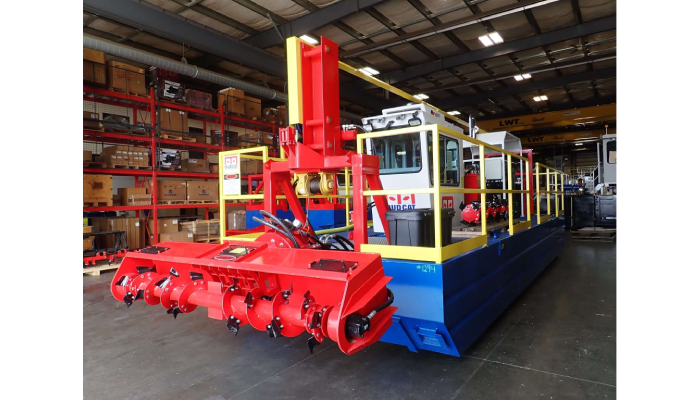
A remote controlled dredge is a dredging system operated wirelessly from a land-based or offsite control station. These systems use advanced sensors, GPS technology, and real-time data transmission to allow operators to monitor and adjust dredging operations without being physically present on the equipment. Remote dredges can include suction dredges, cutter suction dredges, and other specialized models designed for both inland and offshore dredging projects.
Enhancing Operational Control with Remote Controlled Dredge Systems
Real-Time Data Monitoring and Adjustment
One of the standout features of a remote controlled dredge is its real-time data feedback. Operators can access critical information such as dredge depth, sediment type, suction rates, and equipment performance. This data is transmitted to a central command center, allowing precise adjustments on the fly. Compared to traditional manual dredging, this remote monitoring enhances efficiency by reducing guesswork and human error.
Improved Precision and Accuracy
Modern remote controlled dredges are equipped with advanced positioning technologies, including GPS and sonar. These systems map the dredge site accurately and ensure dredging occurs exactly where needed — no more, no less. This precision helps in achieving project goals faster and minimizes unnecessary disturbance to surrounding areas, making projects both cost-effective and environmentally responsible.
Automation and Predictive Maintenance
Remote controlled dredge systems often include automation features, enabling certain processes to run autonomously based on pre-programmed parameters. Combined with predictive maintenance tools that monitor equipment wear and performance, operators can anticipate and prevent mechanical failures before they disrupt the project. This proactive approach enhances operational control and minimizes downtime.
Safety Benefits of Remote Controlled Dredging
Reducing Human Exposure to Hazardous Environments
Dredging environments can be hazardous — from unpredictable currents to unstable underwater conditions. By utilizing a remote controlled dredge, operators remain at a safe distance, either onshore or even miles away in a central monitoring center. This eliminates direct exposure to environmental hazards, protecting workers’ health and safety.
Minimizing On-Site Crew Requirements
With remote operations, fewer personnel are required on the dredging vessel itself. This reduces the potential for accidents, especially in adverse weather or challenging locations such as contaminated sites, shallow lakes, or hazardous waste ponds. The reduction in on-site workforce also lowers operational costs related to travel, lodging, and safety equipment.
Environmental Advantages of Remote Controlled Dredge Systems
Targeted Dredging for Reduced Turbidity
Turbidity — the clouding of water due to disturbed sediment — is a major environmental concern in dredging operations. Traditional dredging techniques can cause excessive turbidity, harming aquatic habitats. A remote controlled dredge, with its precise positioning and controlled sediment removal capabilities, reduces unnecessary sediment disruption, preserving water quality and protecting aquatic ecosystems.
Lower Carbon Footprint
Remote controlled dredge systems are often designed with energy efficiency in mind. Many utilize electric power instead of traditional diesel engines, reducing greenhouse gas emissions. Moreover, their efficiency in removing only the necessary material further reduces fuel consumption, cutting the overall carbon footprint of the project.
Enhanced Environmental Monitoring and Compliance
Many remote controlled dredges are equipped with onboard environmental sensors that monitor water quality, sediment levels, and ecological impact in real-time. This data can be fed directly to regulatory agencies or environmental consultants, ensuring continuous compliance with environmental standards. By integrating these technologies, operators demonstrate a commitment to sustainability while avoiding costly fines or project delays caused by environmental violations.
Cost-Effectiveness and Operational Savings
Lower Labor Costs
With fewer crew members required to operate a remote controlled dredge, labor costs are significantly reduced. Highly skilled operators can manage multiple units simultaneously from a remote command center, further enhancing efficiency.
Reduced Equipment Wear and Damage
Precision dredging with remote control systems results in less equipment wear and unnecessary strain. Targeted sediment removal means the dredge is only working when needed, extending the lifespan of critical components such as pumps, cutters, and hoses.
Faster Project Completion
By eliminating guesswork and human error, remote controlled dredges complete projects faster. Real-time data and automation minimize rework and ensure project timelines are met, allowing contractors to take on more projects within a given period.
Applications of Remote Controlled Dredge Systems
Environmental Remediation
Remote controlled dredges excel in environmental cleanup projects, where precision and minimal disturbance are paramount. They are widely used in cleaning contaminated sediments from lakes, rivers, and industrial waste ponds, ensuring pollutants are removed without spreading contamination.
Reservoir and Waterway Maintenance
Municipalities and water management authorities increasingly rely on remote controlled dredge systems to maintain reservoirs, canals, and stormwater retention basins. These systems provide efficient sediment removal while preserving water quality — essential for public health and flood prevention.
Mining and Industrial Applications
Mining operations use remote controlled dredges to recover valuable minerals from tailing ponds, maximizing resource recovery while maintaining safety. Similarly, industrial facilities use them to manage sediment buildup in cooling ponds and process water systems.
The Future of Dredging: Remote and Autonomous Systems
The rise of remote controlled dredge technology is just the beginning. As artificial intelligence, machine learning, and autonomous robotics advance, dredging systems will become even smarter and more autonomous. Future dredge systems may self-optimize in real time based on sediment composition, environmental conditions, and regulatory requirements. Fully autonomous dredging fleets could operate 24/7 with minimal human oversight, further improving efficiency and reducing costs.
Conclusion
Remote controlled dredge systems represent the future of sustainable and efficient dredging operations. By enhancing operational control, reducing human risk, cutting costs, and minimizing environmental impact, these advanced systems offer benefits to contractors, environmental agencies, and communities alike. As industries embrace smart dredging technology, they can complete vital infrastructure projects while preserving aquatic ecosystems for future generations. Adopting these innovations is not only a competitive advantage — it’s a commitment to responsible and forward-thinking dredging practices.

Hi there! I’m Scott Ramsey, a passionate blogger with a keen interest in business, technology, and travel. Based in the vibrant United States, I explore the intersection of innovation and adventure in my writing. Join me on my journey as I share insights, tips, and experiences from the world of entrepreneurship, cutting-edge tech, and exciting travel destinations.