


In New York City, one of the world’s most culturally and linguistically diverse cities, effective communication is essential for ensuring fairness and equity in legal proceedings. For Korean-speaking individuals navigating the complexities of the American legal system, the role of professional Korean interpreters cannot be overstated. These experts bridge language and cultural gaps, ensuring that justice is accessible and fair for all parties involved. This article delves into how Korean interpreters enhance legal proceedings in New York City, focusing on their qualifications, roles, challenges, and contributions.
Why Language Access Matters in Legal Proceedings?
Legal proceedings hinge on precision, clarity, and mutual understanding. For individuals who speak limited or no English, korean interpreter new york , depositions, or legal consultations can be intimidating and confusing. Misunderstandings caused by language barriers can lead to significant consequences, such as wrongful convictions, unfair settlements, or prolonged legal disputes. Providing access to qualified interpreters ensures:
Fair Trial Rights: Everyone, regardless of language proficiency, has the right to understand and participate in their legal proceedings.
Accurate Testimonies: Witnesses can provide clear, detailed, and truthful statements when they fully understand the questions asked.
Compliance with Laws: Federal and state regulations, such as Title VI of the Civil Rights Act and New York’s Language Access Policies, mandate the provision of interpretation services in legal settings.
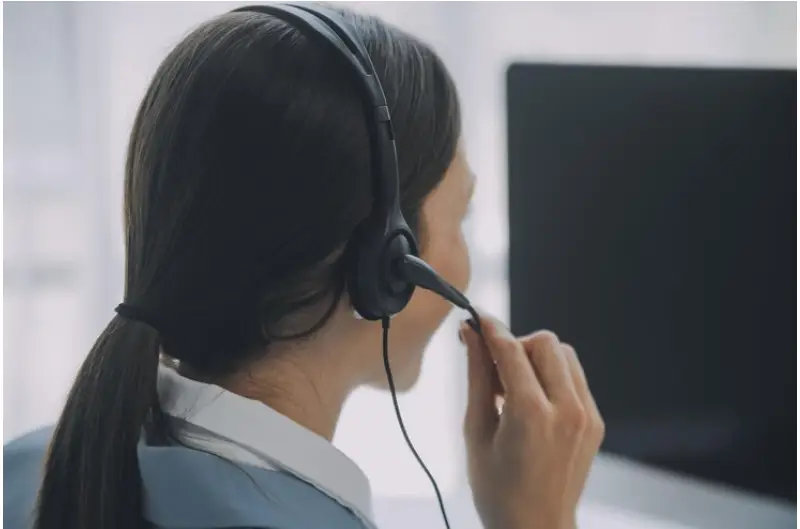
The Role of Korean Interpreters in Legal Proceedings
Korean interpreters perform various critical functions within the legal system. Their responsibilities extend beyond simple translation, encompassing linguistic accuracy, cultural sensitivity, and ethical integrity.
Courtroom Interpretation
In courtrooms, Korean interpreters facilitate real-time communication between judges, attorneys, defendants, plaintiffs, and witnesses. They ensure that Korean-speaking participants fully understand the legal terminology, processes, and decisions.
Legal Document Translation
Interpreters often work alongside translators to provide accurate Korean translations of legal documents, such as contracts, affidavits, and court orders. These translations must be precise to avoid any legal ambiguities.
Depositions and Interviews
In depositions, Korean interpreters help attorneys gather vital information from Korean-speaking witnesses or parties. Their presence ensures the integrity of the legal record and helps uncover crucial case details.
Mediation and Arbitration
During mediation or arbitration sessions, interpreters act as neutral parties, enabling productive discussions between English-speaking and Korean-speaking parties. Their work facilitates fair settlements and resolutions.
Qualifications of Professional Korean Interpreters
Interpreting in legal settings requires a unique skill set, rigorous training, and adherence to ethical standards. The qualifications of professional Korean interpreters include:
Language Proficiency: Mastery of both Korean and English, including legal terminology, idioms, and nuances.
Certification: Many interpreters are certified by organizations such as the National Association of Judiciary Interpreters and Translators (NAJIT) or hold state-specific certifications.
Cultural Competence: Understanding cultural contexts helps interpreters convey messages accurately while respecting cultural sensitivities.
Ethical Standards: Interpreters must adhere to strict confidentiality and impartiality guidelines to maintain trust and integrity in legal proceedings.
Challenges Faced by Korean Interpreters
Despite their critical role, Korean interpreters encounter several challenges in the legal field:
Complex Legal Terminology: Translating intricate legal jargon into Korean while maintaining accuracy can be demanding.
Emotional Stress: Interpreting sensitive cases, such as domestic violence or immigration issues, requires emotional resilience.
Time Constraints: Real-time interpretation in fast-paced courtroom environments leaves little room for error.
Limited Resources: A shortage of certified Korean interpreters in New York City can lead to delays in legal proceedings.
The Impact of Korean Interpreters on Justice
The presence of skilled Korean interpreters in New York City’s legal system has a profound impact on the lives of Korean-speaking individuals:
Empowerment Through Understanding: By enabling full comprehension of legal rights and processes, interpreters empower individuals to make informed decisions.
Equal Access to Justice: Korean interpreters ensure that language is not a barrier to receiving fair treatment in the legal system.
Efficient Case Management: Clear communication facilitated by interpreters reduces misunderstandings and accelerates case resolutions.
Choosing the Right Korean Interpreter in New York City
For legal professionals and clients seeking a reliable “Korean interpreter New York,” certain factors should be considered:
Certification and Experience: Verify the interpreter’s qualifications and track record in legal settings.
Specialization: Choose interpreters experienced in specific legal areas, such as criminal law, family law, or immigration law.
Availability: Ensure the interpreter’s availability aligns with your case schedule.
Reputation: Look for interpreters with positive client feedback and professional references.
The Future of Language Access in Legal Systems
As New York City continues to embrace diversity, the demand for professional interpreters, including Korean interpreters, is expected to grow. Advances in technology, such as remote interpretation services, are already expanding access to qualified professionals. However, maintaining the human element in interpretation—the cultural understanding and emotional intelligence—remains essential.
Conclusion
Korean interpreters play an indispensable role in enhancing legal proceedings in New York City. By bridging language and cultural gaps, they uphold the principles of fairness and justice while empowering Korean-speaking individuals to navigate the legal system confidently. For legal professionals and clients alike, investing in qualified interpreters ensures that every voice is heard, understood, and respected.
Whether you’re a legal practitioner or someone seeking assistance, finding the right “Korean interpreter New York” is crucial for successful legal outcomes. With their expertise, dedication, and cultural insight, Korean interpreters are invaluable allies in the pursuit of justice.

Hi there! I’m Scott Ramsey, a passionate blogger with a keen interest in business, technology, and travel. Based in the vibrant United States, I explore the intersection of innovation and adventure in my writing. Join me on my journey as I share insights, tips, and experiences from the world of entrepreneurship, cutting-edge tech, and exciting travel destinations.