


In today’s visually driven world, graphic design plays an essential role in branding, marketing, advertising, and digital communication. As businesses and organizations continually seek to create compelling visual experiences for their audience, the demand for skilled graphic designers is higher than ever before. If you are considering a career in this field or looking to enhance your design skills, a graphic design certificate course can be an excellent way to equip yourself for real-world projects. This course provides you with the technical knowledge, creative thinking, and industry-standard tools necessary to succeed in the design world.
In this article, we will explore how a graphic design certificate course can prepare you for professional projects and set you on the path to becoming a successful graphic designer.
Understanding The Fundamentals Of Graphic Design
A graphic design certificate course offers a structured curriculum that begins by teaching the foundational principles of design. Understanding the basics, such as typography, color theory, composition, and layout, is crucial for producing effective visual communication. In addition, students gain insight into the history of graphic design, allowing them to appreciate the evolution of the craft and how it has influenced modern design practices.
By the end of the course, you’ll have a solid grasp of the essential elements that make up a design and how to manipulate them to convey messages effectively. These fundamentals are the backbone of every design project, from print materials like brochures to digital media like websites and social media posts.
Key Concepts You Will Learn
- Typography: Choosing the right fonts and arranging text for clarity and impact.
- Color Theory: Understanding how to use color effectively to convey emotions and enhance readability.
- Composition: Balancing elements within a design to create harmony and draw the viewer’s eye.
- Branding: Designing a consistent visual identity that represents a company or product.
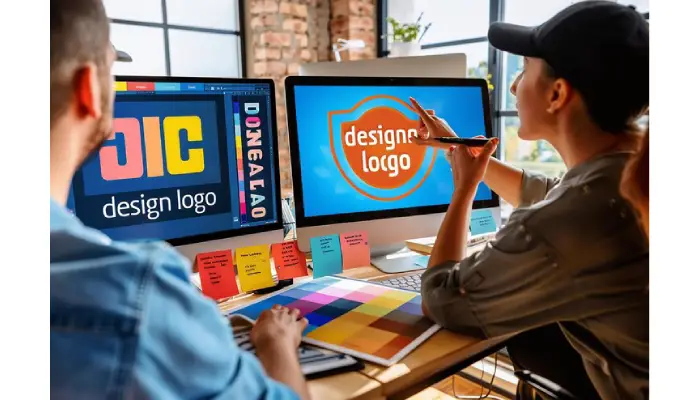
Gaining Hands-On Experience With Industry-Standard Software
One of the most significant advantages of enrolling in a graphic design certificate course is the exposure to industry-standard software tools that are essential for graphic design projects. Programs like Adobe Photoshop, Illustrator, InDesign, and other design software are widely used by professionals in the field. These tools allow designers to create, edit, and refine visuals with precision and creativity.
Throughout the course, you’ll have the opportunity to familiarize yourself with these applications, learn their features, and practice using them on various design projects. Whether it’s creating a logo, designing a website layout, or crafting promotional materials, mastering these tools will significantly enhance your skillset and prepare you for real-world work.
Key Software Covered
- Adobe Photoshop: Photo editing, digital painting, and raster-based designs.
- Adobe Illustrator: Vector-based designs for logos, illustrations, and icons.
- Adobe InDesign: Layout design for brochures, magazines, and multi-page documents.
- Sketch and Figma: Tools for UI/UX design and web-based projects.
Building A Strong Portfolio For Job Opportunities
In graphic design, your portfolio is often your most important asset. A graphic design certificate course is structured to help you build a comprehensive portfolio showcasing your best work. Your portfolio is a reflection of your skills, creativity, and ability to execute client briefs effectively.
A well-rounded portfolio includes a variety of projects that demonstrate your versatility, creativity, and understanding of different design needs. During the course, you’ll work on assignments and projects that mirror real-world scenarios, allowing you to develop pieces that can be included in your portfolio. As you gain experience, you’ll refine your work and learn how to present it professionally.
Developing Problem-Solving And Creative Thinking Skills
A significant aspect of a graphic design certificate course is developing the ability to think critically and solve problems through design. Graphic design is not just about making things look aesthetically pleasing – it’s about solving communication problems and conveying messages visually. As a designer, you’ll need to understand the client’s objectives, target audience, and desired outcomes to create designs that meet their needs effectively.
Throughout the course, you’ll work on various design challenges that mimic real-world situations, such as creating a brand identity for a new business or designing marketing materials for a product launch. These exercises will help you think outside the box, approach problems from different angles, and come up with creative solutions.
Examples of Design Challenges
- Logo design: Creating a logo that encapsulates a company’s mission and values.
- Advertising campaigns: Designing posters, banners, or digital ads that attract and engage an audience.
- Packaging design: Crafting product packaging that is both functional and visually appealing.
Gaining Knowledge Of Client Communication And Collaboration
A graphic design certificate course also prepares you for the client-facing side of the design process. While technical skills are essential, knowing how to communicate and collaborate with clients is equally important. In real-world projects, you’ll often be working with clients who have specific needs, preferences, and constraints that must be addressed in the design.
Throughout your training, you’ll learn how to handle client feedback, iterate on designs, and effectively communicate your ideas. You’ll also develop skills in project management, working within deadlines, and managing multiple projects simultaneously. Understanding how to present your work professionally and handle revisions will make you a more efficient and reliable designer.
Key Communication Skills Developed
- Client Briefing: Understanding and interpreting a client’s needs.
- Feedback Handling: Incorporating client feedback while maintaining creative integrity.
- Presentation Skills: Effectively presenting your designs to clients or stakeholders.
Adapting To Different Design Specializations
Graphic design is a broad field, and there are many different specializations within it. Some designers focus on print materials, while others specialize in digital design, web design, or branding. A graphic design certificate course often gives you exposure to various design specializations, helping you understand which area aligns with your interests and strengths.
By working on diverse projects throughout the course, you’ll gain experience in different areas, such as:
- Print Design: Creating brochures, posters, and business cards.
- Web Design: Designing websites, landing pages, and digital interfaces.
- Branding and Identity Design: Developing logos, color schemes, and brand guidelines.
This exposure allows you to develop a well-rounded skillset, preparing you for a wide range of design jobs and freelance opportunities. You can choose to specialize in one area or become a versatile designer who can handle various design tasks.
Staying Current With Design Trends
The graphic design industry is constantly evolving, with new trends, technologies, and tools emerging regularly. A graphic design certificate course ensures that you stay up-to-date with the latest industry trends and design techniques. You’ll learn how to incorporate modern design trends into your work while maintaining a strong understanding of design principles.
Keeping up with trends helps you stay competitive in the job market and ensures that your designs are fresh, relevant, and appealing to current audiences.
Conclusion
A graphic design certificate course offers valuable education and hands-on experience that prepares you for real-world design projects. By covering the fundamentals of design, mastering industry-standard software, building a portfolio, and developing problem-solving and communication skills, this course equips you with everything you need to succeed in the competitive world of graphic design.

Hi there! I’m Scott Ramsey, a passionate blogger with a keen interest in business, technology, and travel. Based in the vibrant United States, I explore the intersection of innovation and adventure in my writing. Join me on my journey as I share insights, tips, and experiences from the world of entrepreneurship, cutting-edge tech, and exciting travel destinations.