

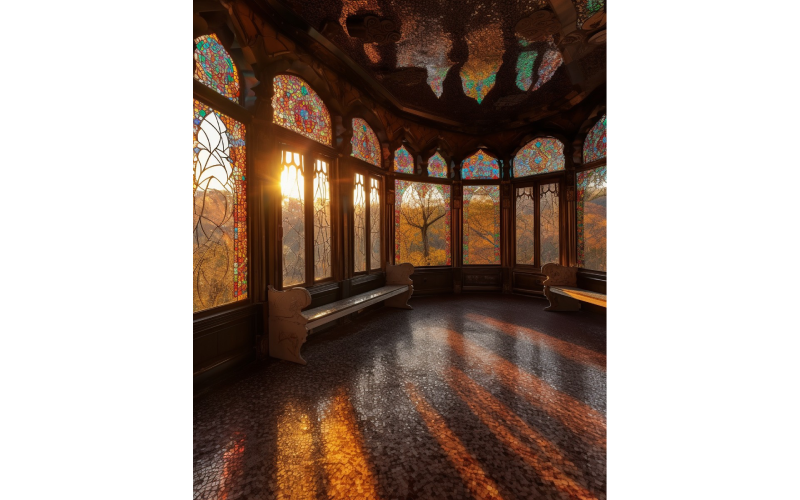
In an industry where vision and trust are essential, the ability to clearly communicate design intent has become a powerful advantage. Whether you’re an architect, developer, or designer, one challenge remains constant: helping clients understand and emotionally connect with a project before it’s built. This is where real estate 3D rendering has emerged not just as a technological tool, but as a bridge between imagination and informed decision-making. More than just producing eye-catching visuals, 3D rendering—especially when paired with a collaborative approach—can significantly boost client engagement and clarity throughout the development process.
This article explores how real estate 3D rendering is revolutionizing the way professionals and clients collaborate, communicate, and create. We’ll unpack the deeper value of rendering beyond aesthetics and show how it supports better outcomes in architectural and real estate projects.
The Rise Of Visual Communication In Architecture
The evolution of architecture has always been tied to the tools available to convey ideas. For centuries, blueprints, sketches, and physical models were the gold standard. While effective in technical environments, these methods often fell short in conveying spatial experiences to clients without design backgrounds.
Enter real estate 3D rendering — a solution that replaces abstraction with clarity. High-quality renderings simulate lighting, textures, spatial relationships, and materials with such realism that clients can understand exactly what they’re getting. More importantly, these visuals spark emotional resonance. Clients can “see themselves” in a space before it’s built, which deepens their investment and confidence in the project. In this way, rendering becomes more than just a deliverable — it’s a storytelling medium.
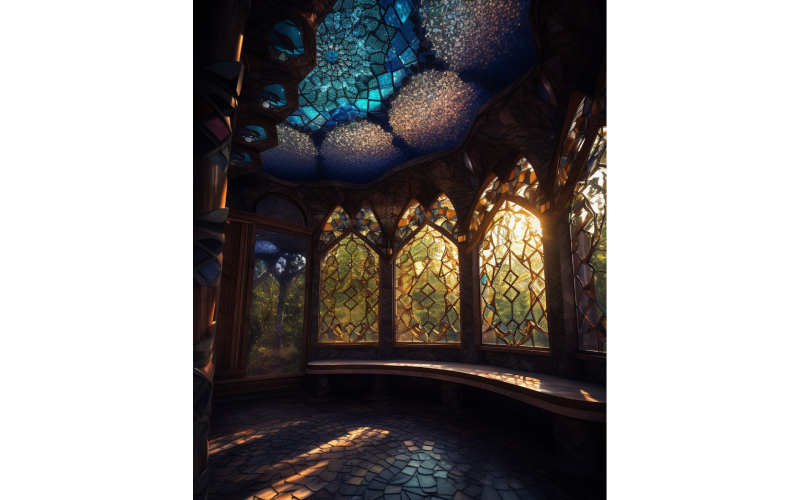
Enhancing The Feedback Loop Through Interactive Design
One of the most overlooked benefits of 3D rendering is how it improves the feedback cycle between designers and clients. Traditionally, client feedback was reactive: a design would be presented, and clients would respond with changes, often late in the process. This model invited miscommunication, costly revisions, and frustration.
With modern rendering technologies, especially those that allow for iterative and interactive updates, client engagement becomes proactive. Renderings can be adjusted in real-time or near-real-time based on input, allowing clients to participate actively in the design process. This fosters a collaborative feedback environment, reducing surprises and aligning the final product with expectations.
Such transparency and agility directly reflect the values of forward-thinking rendering firms that prioritize the client experience. By making visuals a central part of the collaboration, these firms build stronger partnerships, not just projects.
Bridging Gaps Between Stakeholders
In large-scale real estate and architectural developments, it’s rarely just one client involved. There are developers, investors, marketing teams, city officials, and sometimes community boards. Each stakeholder brings different concerns and technical fluency.
Real estate 3D rendering becomes a unifying language. Whether it’s pitching to investors or presenting to zoning boards, photorealistic visuals help bridge communication gaps. They eliminate the ambiguity that can derail approvals or delay funding. In marketing contexts, renderings become powerful pre-sale tools, helping potential buyers or tenants visualize their future homes or offices.
This multi-stakeholder value makes rendering indispensable—not only in design but across the full development pipeline. The best visualizations don’t just look good; they strategically align with the communication needs of diverse audiences.
Supporting Sustainability And Smarter Decisions
Sustainability is now a central concern in architecture and real estate. From materials to energy efficiency, many decisions must be made early to have a meaningful environmental impact. Real estate 3D rendering plays a subtle but crucial role in this shift.
By allowing clients to see various material finishes, lighting conditions, and layout options, designers can guide sustainable choices in a way that’s visually compelling and easy to understand. Renderings can also simulate seasonal lighting or airflow scenarios, offering tangible visuals of environmental benefits.
This empowers clients to make decisions that balance beauty, function, and sustainability — and fosters a more thoughtful, collaborative approach to design that transcends aesthetics.
Setting The Stage For The Future Of Design Collaboration
The future of architecture and real estate will be defined by human-centered technology — tools that don’t replace creativity but enhance communication and empathy. Real estate 3D rendering is at the forefront of this evolution.
Already, we’re seeing the rise of immersive experiences like AR/VR walkthroughs and interactive 3D models. These experiences offer clients a sense of presence inside unbuilt spaces, transforming passive viewers into active participants. When used within a client-centric process—where feedback loops are short, transparency is high, and goals are shared—rendering becomes a catalyst for better design and stronger relationships.
Firms that harness the power of these technologies, while keeping the client deeply involved, are setting a new standard for what architectural collaboration can look like.
Conclusion
In the high-stakes world of real estate and architectural development, trust, clarity, and connection are more than niceties—they’re necessities. Real estate 3D rendering delivers on all three by turning abstract concepts into tangible visuals, fostering better collaboration, and empowering smarter decisions across stakeholders.
As the tools become more advanced, the real competitive edge won’t come from sharper pixels alone—it will come from how effectively firms integrate rendering into a collaborative, client-first design process. The best renderings tell stories, invite dialogue, and create a shared vision that brings ideas to life. For designers, developers, and clients alike, that’s a picture worth creating.

Hi there! I’m Scott Ramsey, a passionate blogger with a keen interest in business, technology, and travel. Based in the vibrant United States, I explore the intersection of innovation and adventure in my writing. Join me on my journey as I share insights, tips, and experiences from the world of entrepreneurship, cutting-edge tech, and exciting travel destinations.