

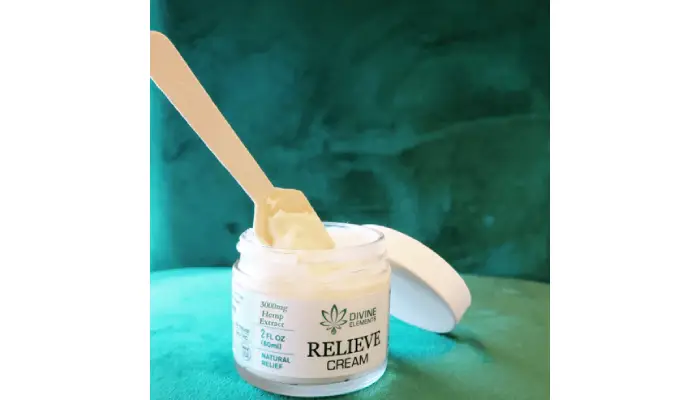
Topical CBD products have quickly moved from niche to mainstream, offering targeted support for skin comfort, recovery, and daily self-care. This guide breaks down how they work, common forms, what to look for on labels, and how to use them safely and effectively. You’ll find clear, practical advice to help you decide whether a balm, cream, gel, patch, or oil makes sense for your routine, without hype or jargon.
Topical CBD Products: What Are They And How Do They Work?
Topical CBD products are formulations you apply directly to the skin—think balms, creams, lotions, gels, patches, and oils—designed for localized support rather than whole-body effects. Unlike ingestible options, they act near where you apply them, focusing on comfort, skin balance, and recovery. For ease of exploration, here is the target resource: topical CBD products.
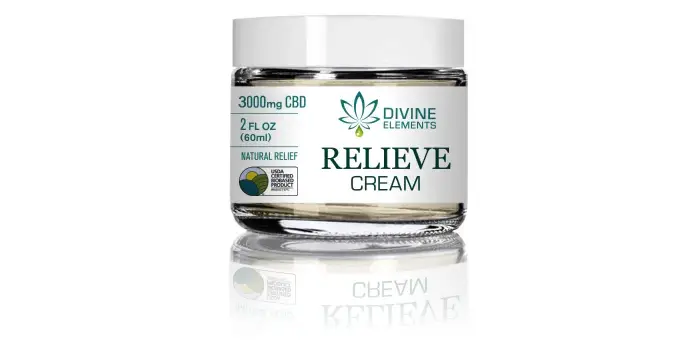
How Does CBD Interact With The Skin?
CBD interacts with the skin’s endocannabinoid system, a network that helps regulate balance in the epidermis and dermis. When applied topically, CBD remains near the application site, working alongside soothing botanicals and emollients to support comfort, moisture, and normal skin function. Think of it as targeted care: the formula’s fats, waxes, and water-based components help carry CBD to the outer layers, where it can support calmness and hydration without the need for swallowing.
What influences topical effectiveness?
- Formulation quality: Carrier oils, emulsifiers, and penetration enhancers affect how ingredients spread and absorb.
- Application habits: Clean skin, consistent use, and the right amount make a difference in perceived results.
Choosing The Right Format For Your Needs
Topical CBD products come in several forms, each suited to different situations. Balms and salves are thicker and protective, ideal for spot areas. Creams and lotions are lighter, better for broader coverage. Gels and roll-ons feel cooling and absorb fast, handy for a quick routine. Patches deliver a slow, steady supply over time. Oils can be massaged in and layered under other skincare.
Balms, Creams, Gels, Oils, And Patches: Strengths And Weaknesses
Balms offer occlusive protection with waxes and butters, staying put where you need them most. Creams and lotions balance hydration with glide, making them comfortable for daily application. Gels are water-based, fast-drying, and often include cooling agents for freshness. Oils are versatile—good for massage or layering under moisturizers. Patches can provide prolonged exposure and are convenient for people who prefer set-and-forget solutions.
How to match format to your routine?
- Spot relief: Balms or gels for targeted areas you revisit throughout the day.
- All-over comfort: Lotions or creams for larger coverage with a smooth finish.
Decoding Labels And Strengths Without Confusion
CBD labels can feel technical, but a few key terms help you navigate confidently. Strength is usually listed in milligrams on the container; higher totals suggest more CBD per application, though how much you actually use per session matters. “Full-spectrum” includes a wide array of hemp compounds; “broad-spectrum” is similar but typically THC-free; “isolate” is pure CBD. Fragrance, essential oils, and botanical extracts may add aroma or function—use them based on your sensitivity and preference.
Potency, Spectrum, And Ingredients That Matter
Potency tells you how concentrated the formula is; a 1000 mg jar will deliver more CBD per scoop than a 300 mg jar, assuming similar sizes. Spectrum type guides the profile of accompanying compounds, which can influence the experience for some users. Ingredients like shea butter, glycerin, menthol, arnica, aloe, or magnesium can shape texture, absorption, and feel—choose what aligns with your comfort and goals.
What Should You Consider For Sensitive Skin?
- Simpler formulas: Fewer fragrance-heavy components and gentle bases reduce the chance of irritation.
- Patch test: Apply a small amount on the inner arm and wait 24 hours before broader use.
How To Use Topical CBD For Everyday Routines?
Start with clean, dry skin to help absorption. Use a small amount and massage for 30–60 seconds to spread evenly and encourage local circulation. Frequency depends on your needs—some apply once daily, others multiple times. If layering with skincare, apply lighter products first, then richer ones; if combining with sunscreen, use sunscreen as the final step in daytime routines.
Layering Tips And Realistic Expectations
When layering over serums or under moisturizers, give each step a minute to settle. Many people notice feel-based benefits shortly after application, while skin-comfort effects can take consistent use across days or weeks. Be mindful of expectations: topical CBD products support localized comfort and care—they aren’t a shortcut around good hydration, movement, rest, and sun protection.
When Should You Adjust the Amount Or Frequency?
- If you feel residue: Use less or switch to lighter textures like gels or lotions.
- If effects feel light: Increase the amount slightly or reapply later, staying within label guidance.
The Benefits People Often Seek From Topical CBD
Users commonly seek help with everyday comfort, post-activity recovery, and skin-calming support. The emollient base in many products helps soften dry patches, while CBD and complementary botanicals aim to soothe and balance. Some formulas feel cooling or warming, which can be useful during routines like stretching or wind-down time. Others prioritize hydration and barrier care, supporting smoother, more comfortable skin across seasons.
Localized Support And Daily Self-Care
The localized nature of topical CBD products makes them appealing for areas that need extra attention without affecting the whole body. They pair well with rituals—morning mobility, desk breaks, evening stretches—where a quick application reinforces consistency. Over time, this habit-based approach can make it easier to maintain comfort and present a calm foundation for the rest of your day.
Small lifestyle combinations that help
- Hydrate and move: Water intake and gentle movement complement topical routines.
- Sleep and sun care: Rest and sunscreen matter for long-term skin comfort.
How To Compare Topical CBD With Other Formats?
Topicals serve localized needs, making them different from ingestible formats like oils, capsules, or gummies that act systemically. If your goal is targeted comfort in a specific area, topicals are practical. If you want broader effects, systemic options may be more suitable. Many people use both—topicals for immediate, local care and ingestibles for overall support—depending on preferences and routines.
When Do Topicals Shine Vs. Other Formats?
Topicals excel when you want to focus on a particular spot, maintain daily skin comfort, or add a soothing step to recovery. They also fit alongside other wellness habits without changing your diet or schedule. Other formats shine when your goal involves whole-body support. The key is clarity: define what you’re aiming for and select the format that aligns with that aim.
Can you combine formats safely?
- Yes, thoughtfully: Keep track of total usage, especially if you’re trying new products.
- Personal tolerance: Start low, observe, and adjust based on your experience.
Reading The Ingredient List Like A Pro
Start with the active: look for CBD type and total milligrams. Then examine the base—oils, butters, humectants—since these define texture and feel. Note supportive botanicals and any potential irritants, like strong essential oils or high fragrance. Check the order of ingredients; those near the top are present in higher amounts. Finally, consider the packaging—airless pumps can protect texture; jars are easy to scoop but benefit from clean hands or spatulas.
Which Ingredients Complement CBD Best?
Humectants like glycerin or hyaluronic acid can add hydration. Emollients such as shea butter and squalane provide smoothness and barrier support. Cooling additives—menthol or aloe—can change the immediate sensory experience, while soothing herbs like arnica or calendula may complement comfort. Focus on compatibility with your skin rather than novelty.
What Signals Quality And Care?
- Transparency: Clear potency, spectrum type, and full ingredient list.
- Sensible bases: Textures that match their intended use, without cluttered add-ons.
Creating A Simple, Effective Routine You’ll Stick To
The most successful routines are easy to repeat. Choose one format for daily use and consider a second for specific moments—like a balm for spots and a lotion for larger areas. Keep your product in a place you’ll remember: near your desk, gym bag, or nightstand. Track your experience for two weeks, noting texture, scent, and perceived comfort. Adjust gradually—change amount, frequency, or format rather than everything at once.
Habit Anchors And Small Tweaks That Compound
Attach application to existing habits: after a shower, before stretching, or during a brief midday break. Small tweaks—massaging for an extra 30 seconds, warming a balm between fingers—can improve spread and feel. Over time, these micro-improvements compound, turning sporadic use into a reliable routine that better reflects your goals and lifestyle.
How to measure progress realistically?
- Short-term signals: Immediate feel, scent enjoyment, and texture comfort.
- Longer-term signals: Consistent skin comfort and easier daily movement.
Final Thoughts On Topical CBD Selection And Use
Topical CBD products are a practical way to support localized comfort and daily skin care, with formats ranging from balms and creams to gels, oils, and patches. The best choice is the one that fits your skin type, preferences, and routine, not necessarily the highest strength or trendiest ingredient list. Focus on clear labeling, sensible textures, and consistent application. If you want to explore options or compare formats, revisit the linked resource in the first section and approach new additions with a thoughtful, patient mindset.
Conclusion
Topical CBD products offer localized support through balms, creams, gels, oils, and patches. Choose formats based on texture and coverage, read labels for potency and spectrum, and start with clean skin and small amounts. Build a simple routine, test for sensitivity, and track your experience over time. With consistent use and realistic expectations, topicals can be a useful part of everyday self-care.

Mathew Hicks is a world-renowned author and expert in the field of business and finance. He has written multiple books and articles on the subject and has been featured in numerous publications. His expertise has been sought by leading financial institutions around the world.