

In recent years, the demand for commercial aquatic services has witnessed a significant surge, driven by various factors such as evolving safety standards, technological advancements, and increasing community awareness. The specific types of aquatic services that are currently experiencing high demand and the reasons behind their popularity.
Lifeguard Training and Certification
The surge in demand for lifeguard training and certification underscores a heightened emphasis on aquatic facility safety. As communities prioritize the well-being of pool and waterfront users, the need for well-trained lifeguards has become paramount. Lifeguard training programs, comprising rigorous theoretical and practical components, ensure that individuals are equipped with the skills to respond swiftly and effectively in emergency situations.
These programs typically cover water rescue techniques, CPR, first aid, and communication strategies, providing lifeguards with a comprehensive skill set. The popularity of these certification programs can be attributed to the growing awareness of the critical role lifeguards play in preventing and responding to water-related incidents. Moreover, adherence to updated safety standards and regulations reinforces the importance of continuous training and certification.
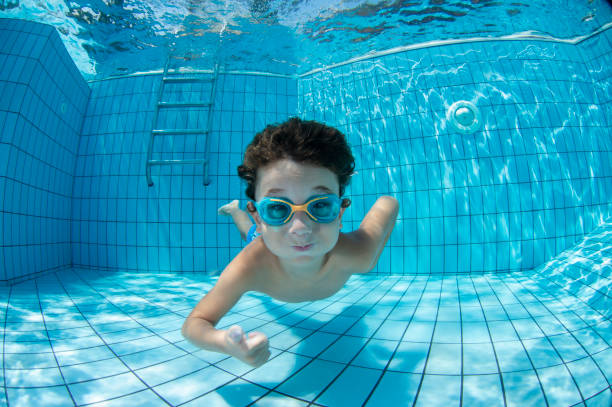
Pool Maintenance and Water Quality Management
As communities prioritize the well-being of pool-goers, businesses offering comprehensive maintenance solutions find themselves in high demand.
Effective pool maintenance goes beyond the surface, encompassing the intricate balance of chemicals, filtration systems, and routine inspections. Facilities are recognizing the importance of proactive maintenance to ensure not only a visually appealing pool but, more crucially, a safe and healthy environment.
Water quality management has become a focal point, addressing concerns about waterborne illnesses and ensuring compliance with stringent health standards. Advanced technologies are being employed to monitor and maintain optimal chemical levels, filtration efficiency, and overall water clarity. This not only enhances the user experience but also safeguards against potential health hazards.
In this burgeoning field, businesses specializing in pool maintenance and water quality management are not only meeting regulatory requirements but exceeding expectations, contributing significantly to the overall satisfaction and safety of aquatic facility users.
Aquatic Facility Design and Renovation
The demand for aquatic facility design and renovation services has surged in recent times as communities seek to modernize their water-related spaces. Today, aquatic facilities are no longer just functional spaces; they are designed to provide a holistic and enjoyable experience for users.
In terms of design, there is a growing emphasis on aesthetics, functionality, and sustainability. Modern aquatic facilities incorporate innovative features such as dynamic water elements, interactive play structures, and aesthetically pleasing landscaping. Sustainable practices are gaining traction, with a focus on energy-efficient technologies, water conservation measures, and eco-friendly materials.
Renovation services are in high demand as existing commercial aquatic services strive to stay relevant and appealing. This involves updating infrastructure, enhancing safety features, and incorporating the latest advancements in water filtration and treatment. The integration of smart technologies, such as automated water quality monitoring and user-friendly control systems, has become a hallmark of renovated aquatic spaces.
Water Park Services and Entertainment
As families seek engaging and diverse entertainment options, water parks have become go-to destinations. This surge in demand has prompted businesses to prioritize safety protocols, introducing advanced lifeguard systems and comprehensive training programs. Moreover, the integration of cutting-edge attractions, such as high-speed water slides and interactive water features, adds to the allure of water parks.
The demand for water park services extends beyond traditional recreational activities, with an increasing emphasis on hosting events and themed entertainment. From birthday parties to corporate gatherings, water parks are diversifying their offerings to cater to a wide range of audiences.
Environmental Sustainability in Aquatic Services
Environmental sustainability is emerging as a key focus in the realm of commercial aquatic services, reflecting a broader commitment to eco-friendly practices. As communities and businesses increasingly recognize the importance of preserving natural resources, there is a growing demand for aquatic services that prioritize environmental responsibility.
In response to this demand, businesses in the commercial aquatic services sector are implementing various initiatives to minimize their ecological impact. These include the adoption of energy-efficient technologies, the integration of renewable energy sources for heating and filtration systems, and the implementation of water conservation measures. Additionally, there is a notable shift towards using environmentally friendly materials in the construction and maintenance of aquatic facilities.
Water treatment processes are also evolving to meet sustainability goals, with an emphasis on reducing chemical usage and incorporating natural filtration methods. Furthermore, educational programs are being developed to raise awareness about environmental stewardship within the aquatic community.
Conclusion
The commercial aquatic services landscape is evolving rapidly, driven by a combination of safety priorities, technological advancements, and changing consumer preferences. As demand continues to rise, businesses in this sector must stay adaptable and innovative to meet the evolving needs of communities and patrons.