


Dark spots, also known as hyperpigmentation, can be a stubborn and frustrating skincare concern for many individuals. Whether caused by sun exposure, hormonal changes, or acne scarring, these blemishes can often make us feel self-conscious and yearn for a more even complexion. In the pursuit of flawless skin, dark spot correctors emerge as transformative elixirs that promise to restore radiance and vitality to our faces. These potent skincare products are carefully formulated with powerful ingredients that target and fade dark spots, revealing a clearer and more luminous complexion.
By effectively inhibiting the overproduction of melanin, dark spot correctors help to break up existing pigmentation and prevent the formation of new spots. In this article, we embark on a journey to unravel the enchanting power of dark spot correctors, exploring the science, ingredients, and best practices that make them the ultimate solution to erasing the past and embracing a brighter future for our skin. Let us delve into the wonders of dark spot correctors and discover how they empower us to unveil our most radiant selves.
Understanding Hyperpigmentation: The Root Of Dark Spots Correctors For Face
Hyperpigmentation is a common skin condition characterized by the overproduction of melanin, the pigment responsible for our skin, hair, and eye color. When our skin produces excess melanin in certain areas, it results in dark patches or spots known as hyperpigmentation. Understanding the underlying causes of hyperpigmentation is essential in comprehending how dark spot correctors for face work to address this concern. Factors such as sun exposure, hormonal changes, acne scarring, and inflammation can trigger the development of dark spots. By recognizing the root of the issue, we can better appreciate the targeted approach of dark spot correctors in combatting hyperpigmentation and unveiling a more even skin tone.
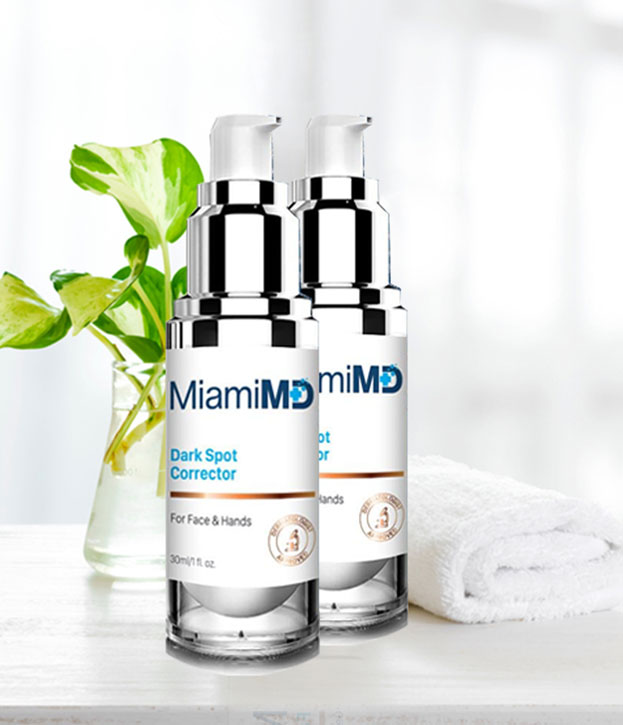
Potent Ingredients: The Key Players In dark spot correctors for face
Dark spot correctors owe their efficacy to a curated selection of potent ingredients. These key players work together to address hyperpigmentation, revealing a brighter and more uniform complexion. Active ingredients like vitamin C, niacinamide, alpha hydroxy acids (AHAs), and retinoids play vital roles in inhibiting melanin production, exfoliating the skin, and promoting cellular turnover. Vitamin C, a powerful antioxidant, not only fades existing dark spots but also shields the skin from future damage caused by free radicals. Niacinamide helps regulate melanin synthesis and reduces inflammation, contributing to a more even skin tone.
AHAs gently exfoliate the skin, lifting away dead cells and revealing fresh, radiant skin underneath. Retinoids stimulate collagen production and enhance skin texture, further diminishing the appearance of dark spots. The harmonious fusion of these potent ingredients elevates dark spot correctors for face to a league of their own in treating hyperpigmentation effectively.
Breaking Down Melanin: How Dark Spot Correctors Work?
dark spot correctors for the face operate by targeting the melanin production process within the skin. The article delves into the science behind this process, explaining how ingredients like hydroquinone, kojic acid, and alpha arbutin work to inhibit tyrosinase, an enzyme crucial in melanin synthesis. By inhibiting tyrosinase, these ingredients interrupt the formation of melanin, preventing its accumulation in specific areas and fading existing dark spots over time.
Additionally, some dark spot correctors utilize nanotechnology or microencapsulation to deliver these ingredients effectively into the deeper layers of the skin, maximizing their impact on hyperpigmentation. Understanding the mechanism of dark spot correctors for the face aids in appreciating their role as transformative agents in achieving a more even and radiant complexion.
Types Of Dark Spots: Targeting Different Forms Of Hyperpigmentation
Hyperpigmentation comes in various forms, including age spots, sunspots, post-inflammatory hyperpigmentation (PIH), and melasma. Each type requires a targeted approach, and this section explores how dark spot correctors address specific forms of hyperpigmentation. For instance, age spots and sunspots are commonly caused by sun exposure, making the prevention and treatment of these spots vital aspects of dark spot correctors for the face.
Post-inflammatory hyperpigmentation arises from inflammation or skin injuries, such as acne or eczema, and necessitates soothing and brightening ingredients to fade the discoloration. Melasma, often triggered by hormonal changes, demands specialized formulations to address the complex nature of this condition. By understanding the differences in these types of dark spots, individuals can select the most suitable dark spot corrector tailored to their unique skin concerns.
Sun Damage Defense: Preventing And Correcting Sun-Induced Dark Spots
Sun exposure is a major contributor to hyperpigmentation, making sun protection an integral part of any dark spot correction regimen. This section emphasizes the importance of sunscreen and sun protection in preventing the formation of new dark spots and minimizing existing ones. It explores how dark spot correctors for face with added sun protection factors (SPF) shield the skin from harmful UV rays, preventing further damage that can exacerbate hyperpigmentation. Additionally, this subsection highlights the role of antioxidants in repairing sun-damaged skin and neutralizing free radicals, which can lead to dark spots. Combining sun protection with dark spot correctors ensures a comprehensive approach to sun-induced hyperpigmentation, promoting healthier and more resilient skin.
Brightening Benefits: Enhancing The Luminosity Of Your Skin
In addition to fading dark spots, dark spot correctors offer brightening benefits that contribute to an overall luminous complexion. The article explains how these serums help to diminish the appearance of dull and uneven skin, revealing a revitalized and radiant visage. By promoting exfoliation and cell turnover, dark spot correctors for face unveil fresher, more youthful skin that reflects light and appears more radiant. The brightening effects extend beyond just correcting dark spots, providing individuals with a visible boost in the overall brightness and vibrancy of their skin.
Consistency Is Key: Incorporating Dark Spot Correctors Into Your Skincare Routine
Consistency is a crucial factor in achieving the desired results with dark spot correctors. This section offers guidance on how to incorporate these serums into a regular skincare routine to optimize their efficacy. Establishing a consistent application schedule, typically once or twice daily, ensures that the active ingredients work continuously to fade dark spots and improve skin texture. Additionally, the article emphasizes the importance of following proper skincare practices, such as patch testing and gradually introducing new products into the routine. By adopting a dedicated and systematic approach to using dark spot correctors for the face, individuals can experience significant improvements in their hyperpigmentation concerns.
Conclusion
The conclusion of the article ties together the multifaceted benefits of dark spot correctors for face in combating hyperpigmentation and unveiling radiant skin. It reiterates how these serums harness potent ingredients and scientific principles to address various forms of dark spots effectively. Emphasizing the importance of sun protection and consistency, the conclusion encourages readers to embrace the power of dark spot correctors for face as transformative allies in their journey towards a more even, bright, and youthful complexion. By understanding the intricacies of these skincare marvels, individuals can confidently integrate dark spot correctors into their routines, reclaiming their skin’s radiance and achieving a newfound sense of confidence and beauty.

Mathew Hicks is a world-renowned author and expert in the field of business and finance. He has written multiple books and articles on the subject and has been featured in numerous publications. His expertise has been sought by leading financial institutions around the world.