

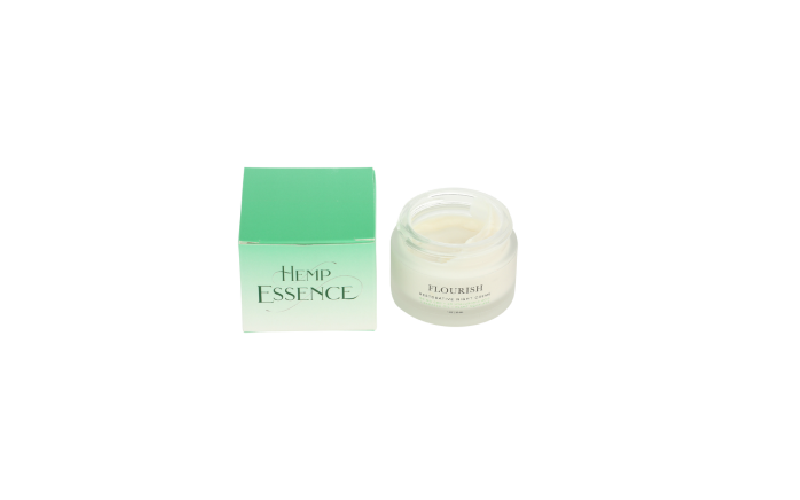
CBD skin care has emerged as a promising option for individuals seeking relief from psoriasis, a chronic skin condition characterized by red, scaly patches that can cause discomfort and self-consciousness. Derived from the hemp plant, CBD (cannabidiol) is known for its potential therapeutic properties without the psychoactive effects associated with THC. As awareness of the benefits of CBD continues to grow, many are exploring its use in skincare products specifically formulated to address the unique challenges posed by psoriasis. The integration of CBD into topical treatments offers a novel approach, targeting skin inflammation and providing moisture, which are crucial for managing this condition effectively. This introduction sets the stage for a deeper understanding of how CBD skin care can play a vital role in psoriasis management, offering hope for improved skin health and enhanced quality of life.
Understanding Psoriasis And Its Symptoms
Psoriasis is an autoimmune condition that accelerates the growth cycle of skin cells, resulting in the formation of thick, red patches covered with silvery scales. These symptoms can vary significantly among individuals, but common manifestations include itching, burning sensations, and discomfort that can be both physical and emotional. Psoriasis can also affect other areas of the body, including the scalp, elbows, knees, and even nails, leading to more complex treatment considerations. Understanding the root causes of psoriasis, which may include genetic predisposition, environmental factors, and immune system dysfunction, is essential for effective management. As patients seek solutions to alleviate the discomfort associated with psoriasis, the potential of CBD skin care products is increasingly recognized, offering a natural alternative to traditional therapies that often come with side effects.
How CBD Skin Care Reduces Inflammation In Psoriasis?
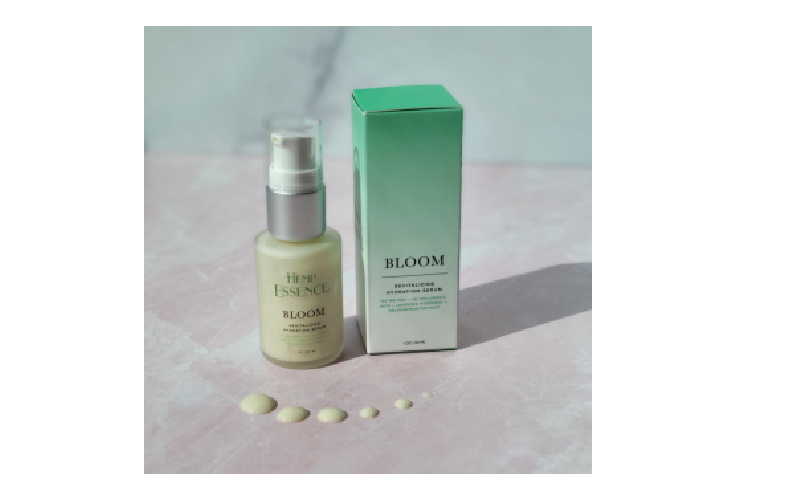
One of the most significant advantages of CBD skin care in the management of psoriasis is its anti-inflammatory properties. Research indicates that CBD interacts with the body’s endocannabinoid system, which plays a crucial role in regulating inflammation and immune responses. By modulating these pathways, CBD can help reduce the inflammatory reactions that contribute to the redness and scaling associated with psoriasis. Additionally, CBD’s ability to inhibit the proliferation of keratinocytes, the predominant cell type in the skin, may help prevent the excessive skin cell turnover characteristic of this condition. The result is a calming effect on the skin, which can lead to a reduction in flare-ups and an overall improvement in skin appearance and comfort. For those suffering from the discomfort and embarrassment of psoriasis, incorporating CBD skin care products could represent a significant step toward managing their symptoms effectively.
Role Of CBD Skin Care In Moisturizing Affected Skin
Moisturization is a critical aspect of managing psoriasis, as dry and cracked skin can exacerbate symptoms and lead to increased discomfort. CBD skin care products often contain a blend of hydrating ingredients alongside CBD, making them particularly effective for addressing the dryness commonly associated with psoriasis. The lipid-rich nature of many CBD formulations helps to create a protective barrier on the skin, locking in moisture and promoting healing. This not only soothes the affected areas but also contributes to overall skin health by maintaining hydration levels. Regular use of CBD-infused moisturizers can alleviate the tightness and irritation that many psoriasis sufferers experience, allowing for a more comfortable daily life. By combining anti-inflammatory properties with effective hydration, CBD skin care offers a comprehensive approach to managing the symptoms of psoriasis.
Scientific Research Supporting CBD Skin Care For Psoriasis
The scientific community has begun to explore the potential benefits of CBD for various skin conditions, including psoriasis. Preliminary studies suggest that CBD’s anti-inflammatory and anti-itch properties can significantly impact psoriasis management. Research indicates that cannabinoids may help regulate the skin’s immune response, thus reducing the severity of flare-ups and improving the overall condition of the skin. Additionally, clinical trials have shown promising results regarding the efficacy of CBD in topical formulations, revealing improvements in skin hydration and reductions in inflammation. Although more extensive research is needed to fully understand the mechanisms at play and to establish standardized treatment protocols, the initial findings provide a solid foundation for considering CBD skin care as a viable option for those struggling with psoriasis. As awareness grows, further studies will likely explore the long-term effects and optimal formulations for maximizing benefits.
Tips For Incorporating CBD Skin Care Into Your Routine
Integrating CBD skin care products into your routine for psoriasis management can be straightforward and effective. First, start by selecting high-quality CBD products that are specifically formulated for skin health, such as creams, oils, and balms. It’s essential to check for third-party lab testing to ensure potency and purity. When beginning your routine, apply a small amount of CBD skin care product to the affected areas after cleansing and before applying any other moisturizers or treatments. Consistency is key; regular application can help maximize benefits over time. Additionally, consider combining CBD topical treatments with other supportive therapies, such as dietary changes and stress management techniques, to create a holistic approach to managing psoriasis. Lastly, always consult with a healthcare provider before starting any new treatment regimen, especially if you are currently using prescription medications or other therapies.
Potential Side Effects And Considerations For CBD Skin Care
While CBD skin care products are generally well-tolerated, it is important to be aware of potential side effects and considerations. Some individuals may experience skin irritation or allergic reactions, particularly if they have sensitive skin or are using products containing additional active ingredients. It’s advisable to conduct a patch test by applying a small amount of the product to a discreet area of skin before widespread use. Additionally, as with any skin care treatment, the effects of CBD can vary from person to person. While some may experience significant relief, others may not notice substantial changes. Consulting with a dermatologist or healthcare professional can help ensure that you choose the right products and strategies for your specific needs. As with any health-related product, being informed and cautious will allow for a safer and more effective experience when incorporating CBD into your skin care routine.
Conclusion
In conclusion, CBD skin care presents a promising avenue for those managing psoriasis, offering potential relief through its anti-inflammatory properties, moisturizing benefits, and overall skin health improvement. With growing scientific support and anecdotal evidence, many individuals are finding success in incorporating CBD products into their daily routines. While challenges such as side effects and varying individual responses exist, the potential benefits make it worth exploring for those seeking alternative management strategies. As research continues to evolve, it will be crucial for consumers to stay informed and to consult healthcare professionals when considering CBD skin care options. Ultimately, the integration of CBD into psoriasis management could not only enhance skin health but also improve the overall quality of life for those affected by this chronic condition.

Hi there! I’m Scott Ramsey, a passionate blogger with a keen interest in business, technology, and travel. Based in the vibrant United States, I explore the intersection of innovation and adventure in my writing. Join me on my journey as I share insights, tips, and experiences from the world of entrepreneurship, cutting-edge tech, and exciting travel destinations.