

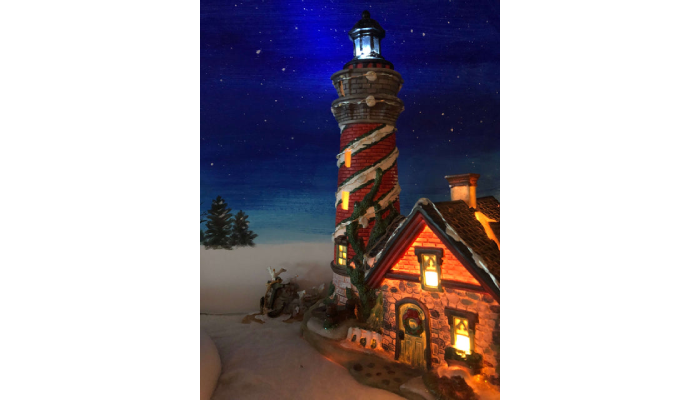
Miniature LED lights have become increasingly popular due to their energy efficiency, long lifespan, and versatility. From decorations to functional lighting solutions, these tiny bulbs have found their way into various applications. But as with any lighting technology, it’s important to consider whether miniature LED lights are safe for long-term use. In this article, we will explore the safety features of miniature LED lights, their benefits, potential risks, and best practices to ensure their safe usage over time.
What Are Miniature LED Lights?
Miniature LED lights are compact lighting solutions that utilize light-emitting diodes (LEDs) to produce illumination. These lights are commonly found in applications like Christmas tree decorations, automotive lighting, model railroads, and even in home or commercial spaces as accent lighting. Their small size makes them highly adaptable for a variety of tasks, and they often come in strings or small bulbs that can be easily integrated into different setups.
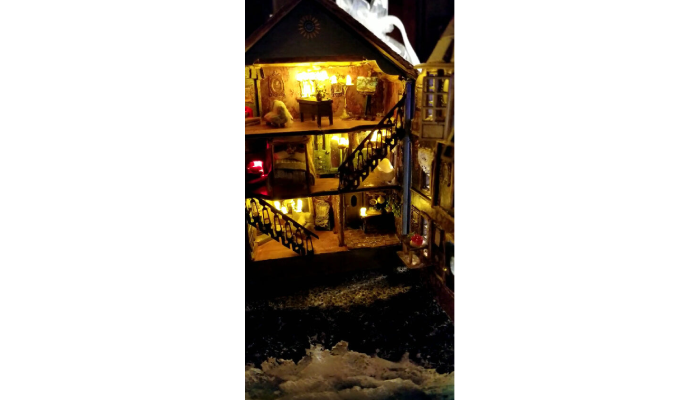
The Benefits of Miniature LED Lights
Before diving into their safety, it’s important to recognize why miniature LED lights have become so popular:
- Energy Efficiency: LED lights are known for their low energy consumption compared to traditional incandescent bulbs. They use significantly less electricity, making them a cost-effective and environmentally friendly choice.
- Long Lifespan: One of the most attractive features of LED lights is their long lifespan. A well-made LED bulb can last anywhere from 15,000 to 50,000 hours, depending on the quality and usage conditions. This reduces the need for frequent replacements, saving both money and time.
- Durability: Miniature LEDs are solid-state lights, meaning they don’t have fragile filaments like incandescent bulbs. This makes them resistant to shock and vibration, making them ideal for applications where stability is important.
- Low Heat Emission: Unlike incandescent bulbs, which can become dangerously hot, LEDs generate minimal heat. This makes them safer to use in various environments, reducing the risk of burns or fires.
How Safe Are Miniature LED Lights for Long-Term Use?
When it comes to safety, LED lights—whether miniature or standard size—are considered one of the safest lighting options available. However, like all electrical devices, their safety depends on the quality of the product, the way they are installed, and how they are maintained.
Here’s a breakdown of factors that affect the long-term safety of miniature LED lights:
Quality of the LED Light
The quality of miniature LED lights plays a major role in their safety. Low-quality, poorly manufactured LEDs may present risks such as electrical short circuits, overheating, or even fires. Always look for LED lights that have been tested for safety compliance and come with certifications like CE, UL, or RoHS. These certifications ensure the lights meet the required safety standards.
When purchasing miniature LED lights, opt for well-known and reputable brands. Their products undergo stringent safety testing and quality control, ensuring that they meet industry standards for safe use.
Proper Installation
Improper installation is one of the leading causes of safety hazards with any type of electrical product, including miniature LED lights. It’s crucial to follow the manufacturer’s guidelines when setting up your lights to avoid the risk of wiring issues or overheating. If you’re using LED lights for a decorative purpose (e.g., Christmas lights or accent lights), make sure the wiring is intact, and there are no exposed wires.
Additionally, if you’re planning to install miniature LED lights in areas with high moisture (like bathrooms or outdoor spaces), make sure the lights are rated for wet conditions. Outdoor or waterproof versions are specially designed to handle exposure to the elements, making them safer for long-term use.
Overloading Circuits
Many miniature LED lights come in strings or multiple bulbs connected together. If you overload the electrical circuit with too many lights, you risk overheating, which can be dangerous. Always check the power requirements of your lights and ensure that your power source can handle the total wattage of all the lights connected.
If you’re using miniature LEDs as part of a larger electrical setup (e.g., with transformers or dimmers), make sure to use components that are rated to support the combined wattage. Using power supplies that are too small for your setup can lead to electrical malfunctions or even fire hazards.
Heat Management
Although LED lights produce significantly less heat than incandescent or halogen lights, they still generate some warmth. Miniature LED lights that are poorly designed or installed in tight, unventilated spaces may experience heat buildup. Over time, excessive heat can reduce the lifespan of the LEDs and may lead to overheating, potentially causing safety issues.
To ensure the safe use of miniature LED lights, it’s important to place them in areas where heat can dissipate effectively. Avoid clustering the lights too closely together, especially if they are in a confined space. Additionally, don’t block any vents or cooling systems if the LEDs are designed with built-in cooling features.
Maintenance and Inspection
One of the best ways to ensure the long-term safety of miniature LED lights is regular maintenance and inspection. Over time, dust, dirt, and debris can accumulate on the lights, which may affect their performance and cause them to overheat. Regularly inspect your miniature LED lights for any signs of damage or wear, such as frayed wires, broken bulbs, or discoloration.
If you find any issues, address them immediately. Replace damaged LED lights or wires before they become a potential safety risk. In addition, ensure that the power source (outlet or transformer) remains in good working condition to prevent electrical failures.
Common Myths About Miniature LED Lights
There are some common misconceptions about miniature LED lights that can lead to unnecessary concerns. Let’s take a look at a few of them:
- LED Lights Are Prone to Overheating: While it’s true that LEDs do generate some heat, they are designed to dissipate it efficiently. In fact, they are much cooler than traditional bulbs. The heat generated by LED lights is typically not enough to pose a safety hazard when the lights are installed correctly.
- Miniature LED Lights Are Dangerous for Children and Pets: Miniature LED lights, particularly low-voltage ones, are generally safe for use around children and pets. However, like any electrical product, they should not be left in an area where they can be easily tampered with. Always ensure that the lights are installed in a way that minimizes any risk of electric shock.
- Miniature LED Lights Have Short Lifespans: The truth is, LED lights can last for many years, often up to 50,000 hours or more, depending on the quality of the product. As long as the lights are maintained and used correctly, they can safely provide long-term illumination.
Conclusion
In conclusion, miniature LED lights are a safe and energy-efficient lighting option for long-term use, provided that they are of good quality, installed properly, and maintained regularly. By purchasing lights from reputable brands, adhering to installation instructions, avoiding overloads, and inspecting the lights periodically, you can enjoy the benefits of these tiny bulbs without compromising safety.
Their energy efficiency, long lifespan, and low heat emission make them an ideal choice for a variety of applications. Whether you’re decorating your home, setting up lighting for a special event, or using them for everyday purposes, miniature LED lights can safely brighten your space for years to come.

Hi there! I’m Scott Ramsey, a passionate blogger with a keen interest in business, technology, and travel. Based in the vibrant United States, I explore the intersection of innovation and adventure in my writing. Join me on my journey as I share insights, tips, and experiences from the world of entrepreneurship, cutting-edge tech, and exciting travel destinations.