


The radiant cooling system is an energy-efficient way to cool buildings as they use less energy than traditional air conditioning systems. They are also cost-effective, as they require no additional equipment or infrastructure. Estimating the cost of a radiant cooling system can be tricky, as there are many factors to consider such as the size of the building, its insulation, the type of material used, and the temperature needed to achieve the desired cooling effect.
The cost of installation and running the system needs to be taken into account, as well as maintenance and repair costs. Additionally, the cost of the materials used in the system, such as pipes and insulation, needs to be taken into account. Ultimately, the cost of a radiant cooling system will depend on the specific requirements of the building, but it is a cost-effective solution that can provide long-term energy savings.
How Is Radiant Cooling System Cost?
The cost of a radiant cooling system in India can vary depending on the type and size of the Cooling System, which can be found in various places. The most common types of cooling systems used in India are air-conditioning, refrigeration, and hot water systems.
There are several factors that can affect the price of a cooling system in India, including the location and quality of the components used, as well as other costs associated with running a system. In addition to these factors, it is important to remember that installation costs will also vary depending on where you live in India.
This type of cooling system is very efficient and can provide a comfortable indoor environment without the need for air conditioning. It is also more energy efficient than traditional cooling systems, as it does not require the use of compressors or other energy-intensive machinery. In addition, radiant cooling systems are often quieter than other systems, making them an ideal choice for residential and commercial buildings.
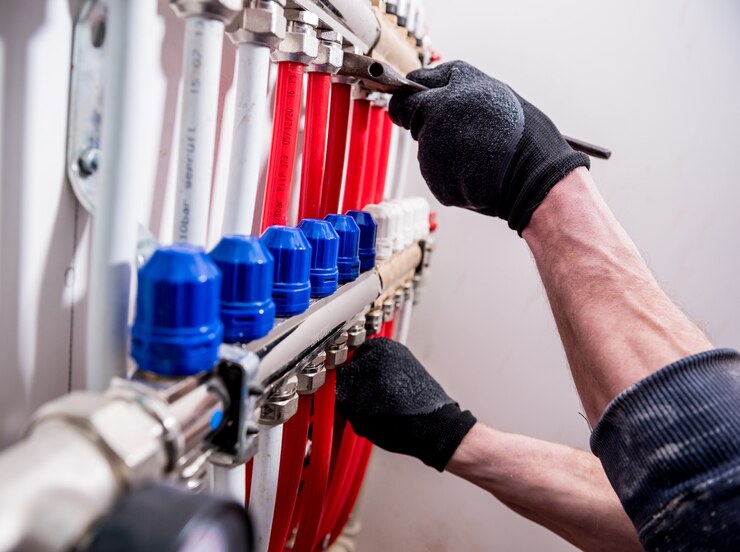
What Is Radiant Heat?
Radiant heat is a form of energy that warms objects in a room, rather than just the air. It works by sending heat directly to the parts of the room that need it, without having to warm the air first. Radiant heat is one of the oldest forms of heating, with evidence of its use dating back to Roman times.
Radiant heat can be generated by several different sources, such as electric, gas, or water-based systems. Electric systems are the most popular. They generate heat by running electric currents through wires or mats that are installed underneath the flooring. Gas-based systems use gas-fired boilers to heat the air, and then use fans to distribute the warm air throughout the room. Water-based systems use hot water to heat the air and then use pipes to distribute the heat.
How Does Radiant Cooling Work?
Radiant cooling is a type of cooling system. It works by radiating heat away from a building, rather than using mechanical means to remove it. The system is based on the same principle that keeps the Earth’s surface cool at night. Heat is radiated away from the surface, cooling it down.
In a radiant cooling system, heat is absorbed by the walls and ceiling. This is released to the outside air through radiation. This is accomplished by using thermal mass, such as concrete, bricks, or tiles, to absorb and store the heat during the day. At night, the stored heat is released into the atmosphere, helping to keep the interior of the building cool.
Radiant cooling is typically used in combination with other cooling systems, such as evaporative cooling, natural ventilation, or air conditioning. It can also be used to supplement existing cooling systems, providing additional energy savings. In some cases, it can even be used as the primary cooling system, eliminating the need for mechanical cooling.
What Are the Benefits of Radiant Cooling?
Radiant cooling is a cost-effective, energy-efficient cooling system. It uses the natural properties of air and water to cool a building’s interior. Radiant cooling systems provide a more comfortable environment by evenly distributing cooling throughout the building. Traditional air conditioning relies on air blowing directly on occupants. Radiant cooling works by circulating cold water through pipes embedded in the walls or ceiling of a building. This allows the building to maintain a consistent temperature.
Radiant cooling systems also help reduce energy costs by eliminating the need for air conditioning systems. The system does not rely on air blowing to cool the room. It does not require the same amount of energy. that is used by traditional air conditioning systems. Additionally, radiant cooling systems are more efficient than air conditioning systems in terms of energy use. This means that the system will cost less to operate and will help reduce the building’s carbon footprint.
Conclusion
Radiant cooling systems have the potential to revolutionize the way we think about cooling systems. They promise improved energy efficiency, decreased emissions, and overall cost savings. Additionally, they are considered to be an environmentally friendly cooling system. They make use of natural resources such as the sun, wind, and water. Radiant cooling systems can be used in residential, commercial, and industrial applications. They provide a range of benefits to those who use them.
Overall, radiant cooling systems are a great option for those looking to reduce their energy consumption. They are energy-efficient and cost-effective, and they can be used in many different applications. There are still some challenges to overcome in order for radiant cooling systems. These become viable options for many, and the potential for improved energy efficiency and decreased emissions.

Mathew Hicks is a world-renowned author and expert in the field of business and finance. He has written multiple books and articles on the subject and has been featured in numerous publications. His expertise has been sought by leading financial institutions around the world.