

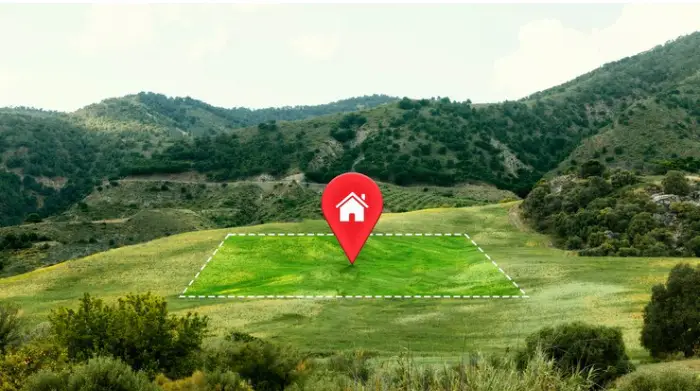
Buying land in Florida involves several important steps to ensure a safe purchase. First, start your research by identifying the area you want, whether urban, suburban, or rural. Use online listings and look for “for sale” signs in person. Next, conduct thorough due diligence; check zoning regulations and local building codes while obtaining a property survey. Investigate utility availability as well. Choose a builder who meets your needs and can work effectively with the land type you’re purchasing. Secure financing options carefully, considering various loan types based on your situation. Understand all financial implications before finalizing the purchase and beginning construction of your new home to make the process smoother overall.
1. Research Land for Sale
Buy land in Florida determining your budget, which should include both the land purchase and any construction costs you anticipate. Once you have a figure in mind. Don’t overlook local newspapers and community boards, as they often have advertisements for land sales that might not be listed online. Joining local real estate investment groups or forums can also provide valuable insights from those who are familiar with the area.
Utilize mapping tools to check the proximity of amenities like schools, shopping centers, and parks, which can greatly impact your lifestyle and future property value. It’s wise to look for land that already has existing infrastructure, as this can simplify the development process. Additionally, stay informed about any future development plans in the area, as these could enhance or diminish your land’s value over time.
Assess the land’s topography to identify any potential building challenges, such as slopes or wetlands, that could complicate construction. Reviewing past sales data can help you understand land value trends in the area, giving you a clearer picture of what to expect. Lastly, keep an eye on market conditions to ensure you make a timely purchase.
2. Conduct Due Diligence
Conducting due diligence is a crucial step in buying land in Florida. Start by verifying the land’s title, ensuring there are no liens or disputes that could complicate your ownership. Research the property’s history to uncover any past issues, such as foreclosure or previous owner disputes, which may affect your decision. It’s essential to consult with local authorities regarding any upcoming zoning changes that might impact how you can use the land.
Next, identify any easements or restrictions on the property. These could limit your ability to build or alter the land. Additionally, check for environmental hazards, such as flood zones or soil contamination, which could pose risks or additional costs. Evaluate access to roads and transportation options, as this can influence your property’s value and your convenience.
Confirm property taxes and any homeowners’ association fees, as these ongoing costs will affect your budget. Exploring nearby properties can provide insight into the neighborhood dynamics and help you gauge the area’s desirability. Performing a soil test is also wise to assess the land’s suitability for construction. Given the complexity of these factors, consider hiring professionals for a comprehensive due diligence review to ensure you make an informed purchase.
3. Choose a Builder
Choosing the right builder is essential for a successful construction project. Start by creating a list of potential builders based on recommendations from friends, family, or online reviews. Once you have your list, schedule interviews to get a better understanding of their processes, timelines, and availability. During these interviews, don’t hesitate to ask for references from previous clients to gauge their satisfaction levels. Additionally, review the builder’s portfolio to see examples of their completed projects, which can give you insight into their style and quality of work.
It’s also crucial to check if the builder is licensed and insured, as this protects you from potential liabilities. Discuss warranty options and post-construction support, as these can save you from future headaches. Ensure that the builder understands local building codes and regulations, which is vital for compliance and safety. Finally, negotiate terms and costs clearly before signing any contracts, and make sure the builder has experience with the home style you desire. This groundwork will help you find a builder who aligns with your vision and can bring your dream home to life.
4. Secure Financing
Start by assessing your credit score and overall financial health, as this will play a significant role in the financing process. Consulting with financial advisors can help you explore the best financing options available, tailored to your needs. Getting pre-approved for loans can streamline your purchasing process, giving you a clear idea of your budget. It’s important to understand the specific requirements for land and construction loans, as these differ from traditional home loans. You may want to consider whether a fixed-rate loan or an adjustable-rate loan is better suited for your situation. Be sure to factor in interest rates and fees associated with each loan type, as these can vary widely. Gather necessary documents like income statements and tax returns to prepare for your loan application. Comparing multiple lenders can help you find the best rates and terms, so don’t hesitate to shop around. Additionally, ask about any potential grants or assistance programs that may be available to help with your purchase. Lastly, be mindful of your debt-to-income ratio when applying for loans, as this is a critical factor lenders will evaluate.
5. Understand the Financial Implications
When buying land in Florida, it is crucial to grasp the financial implications involved in the process. First, you need to budget for ongoing costs such as property taxes and insurance, which can vary significantly based on the location and value of the land. Additionally, be aware that construction costs can fluctuate due to changes in material prices, meaning the initial estimate may not reflect final expenses.
Prepare for unexpected costs that often arise during construction, like permits or inspections, which can quickly add to your budget. Understanding the timeline for loan disbursement is also essential, as it affects your cash flow during the building process.
Evaluate the long-term investment potential of the land and the home you plan to build. Predicting market fluctuations is key, as they can impact your property’s value over time. If landscaping or additional features are part of your vision, remember to factor in those costs as well. If you intend to lease the property, reviewing potential rental income can provide insight into its financial viability.
Finally, maintenance costs should not be overlooked once your home is built. Creating a contingency fund for unforeseen financial needs will help safeguard your investment and provide peace of mind as you embark on this journey.
6. Finalize the Purchase
Once you’ve secured financing, it’s time to finalize the purchase of your land. Start by carefully reviewing all purchase documents before signing anything. This includes the sales contract, property disclosures, and any other agreements involved in the transaction. Make sure that all contingencies outlined in your agreement are met, such as inspections and financing approvals, to avoid any surprises down the line. Confirm the closing date and ensure that you have the necessary funds ready for the transaction, whether through a bank transfer or a cashier’s check.
Working with a title company is crucial at this stage, as they will handle the legal transfer of the property. They will ensure that the title is clear and free of any liens or encumbrances. Securing title insurance can also offer protection against potential future disputes regarding ownership.
Before closing, conduct a final walkthrough of the land. This is your chance to ensure that everything is as expected and that no significant changes have occurred since your last visit. Keep copies of all documents for your records, as you’ll want to refer back to them in the future.
Lastly, take the time to understand your rights and obligations as a landowner. Review any easements or rights of way that may affect your property, as these can impact your use of the land. Discuss any escrow arrangements with your lender and title company to make sure all funds are properly handled. This step is essential to ensure a smooth transition into land ownership.
7. Build Your Home
Once you’ve secured your land and chosen a builder, it’s time to bring your vision to life by building your home. Establishing a clear communication plan with your builder from the start is essential. This helps ensure that both parties are on the same page regarding expectations and timelines. Regularly monitor the construction schedule, checking off milestones as they are completed to keep the project on track.
Stay actively involved in design decisions and material selections. This not only personalizes your home but also helps you make informed choices about your investment. Conducting regular site visits is crucial; this allows you to ensure that the construction quality meets your standards and aligns with the plans you agreed upon.
If issues arise, address them quickly with your builder to prevent delays. Whether it’s a design question or a material concern, prompt communication is key. Additionally, review any changes to the project scope, as these can impact costs. Keeping thorough records of all communications and agreements with your builder can help avoid misunderstandings later on.
Involving inspectors at key stages of the construction process is a smart move. Their expertise can catch potential problems early, saving you time and money down the line. As the completion date approaches, prepare for the final inspection and necessary approvals to ensure everything is in order. Also, plan your move-in logistics well in advance, so you can transition smoothly into your new home.
Frequently Asked Questions
1. What should I check about the land’s title before buying it in Florida?
Before buying land in Florida, you should check if the title is clear, meaning there are no liens or claims against it. You can hire a title company or a real estate attorney to help with this.
2. How can I find out if the land is suitable for building?
To find out if the land is suitable for building, check local zoning laws and regulations. You can contact the local zoning office for information about what you can and cannot do with the land.
3. What types of surveys should I consider before purchasing land?
Before purchasing land, consider getting a boundary survey to determine the property’s exact lines. You might also want a topographical survey to understand the land’s layout, including slopes and water drainage.
4. How important is it to visit the land before buying?
Visiting the land before buying is very important. It lets you see the area, check access routes, and understand the neighborhood. It also helps you envision how the land can be used.
5. What environmental factors should I consider when buying land in Florida?
When buying land in Florida, consider factors like flood zones, soil stability, and local wildlife regulations. Researching these can help avoid future issues with your property.

Hi there! I’m Scott Ramsey, a passionate blogger with a keen interest in business, technology, and travel. Based in the vibrant United States, I explore the intersection of innovation and adventure in my writing. Join me on my journey as I share insights, tips, and experiences from the world of entrepreneurship, cutting-edge tech, and exciting travel destinations.