

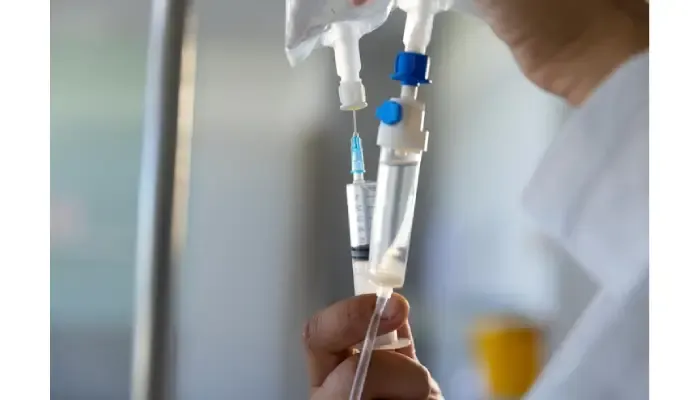
IV therapy is a method used in medicine to deliver fluids, medications, and nutrients directly into a patient’s bloodstream via a vein. This treatment can be essential for those needing hydration, quick medication action, or nutritional support when oral intake isn’t possible. There are different types of IV therapy: peripheral and central, each suited for various needs. Common uses include cancer treatments, pain management, and electrolyte replenishment. The procedure involves careful preparation and monitoring to avoid complications like infections or infiltration. For healthcare providers, knowledge about best practices is vital to ensure patient safety and effective outcomes in IV therapy treatments.
1. What is IV Therapy?
IV therapy in Atlanta, or intravenous therapy, is a medical treatment where fluids, medications, or nutrients are delivered directly into a patient’s bloodstream through a vein. This method allows for rapid absorption and immediate effects, making it particularly useful in various medical situations. The primary purposes of IV therapy include providing hydration to those unable to drink enough fluids, administering medications that need to act quickly or cannot be taken orally, and offering nutritional support for patients who can’t consume food normally. Additionally, IV therapy can be used for blood transfusions, helping to replace lost blood or treat specific conditions.
There are two main types of IV therapy: peripheral and central. Peripheral IV therapy involves inserting a catheter into a smaller, peripheral vein, often in the arm or hand, suitable for short-term treatments. In contrast, central IV therapy places a catheter into a larger vein, such as the subclavian or jugular vein, catering to long-term treatments and larger volumes of fluids. This versatility in administration methods underscores IV therapy’s critical role in patient care, particularly in emergency and critical situations.

2. Why is IV Therapy Used?
IV therapy is used for several key reasons that impact patient care. One of the primary uses is hydration. Patients who cannot drink enough fluids due to illness, surgery, or other conditions require IV fluids to maintain hydration and support their bodily functions. Another significant reason is the administration of medications. Some medications need to act quickly or can only be given intravenously, such as certain antibiotics or chemotherapy drugs.
Additionally, IV therapy plays a crucial role in providing nutritional support. Patients who are unable to eat or absorb nutrients through their digestive systems, like those with severe gastrointestinal disorders, benefit from IV nutrition, delivering essential vitamins and minerals directly into their bloodstream.
Blood transfusions are another vital application of IV therapy, used to replace lost blood due to surgery or trauma and to treat conditions like anemia. Overall, IV therapy is a versatile and effective treatment method that addresses a variety of medical needs.
3. Different Types of IV Therapy
IV therapy can be categorized into two main types: Peripheral IV Therapy and Central IV Therapy.
Peripheral IV Therapy involves inserting a catheter into a small vein, usually in the arm or hand. This method is commonly used for short-term treatments, such as administering fluids or medications. It’s a straightforward process and can often be performed quickly in an outpatient setting. For example, a patient needing hydration after a mild illness might receive fluids through a peripheral IV.
Central IV Therapy, on the other hand, involves placing a catheter into a larger vein, such as the subclavian or jugular vein. This method is suitable for long-term treatments or when large volumes of fluid or medications are needed. It is typically used in situations like chemotherapy administration or for patients requiring total parenteral nutrition (TPN). An instance would be a cancer patient receiving long-term chemotherapy who needs consistent access to their bloodstream for medication delivery.
Both types have their specific uses, advantages, and considerations, making it essential for healthcare providers to choose the appropriate method based on the patient’s condition and treatment goals.
4. Common Uses for IV Therapy
IV therapy is utilized in various medical scenarios to meet the specific needs of patients. One of the most significant applications is in cancer treatment, where IV therapy is essential for administering chemotherapy drugs directly into the bloodstream. This allows for rapid absorption and effective targeting of cancer cells. Another common use is in pain management, where IV medications can provide immediate relief for patients experiencing severe pain, such as those recovering from surgery or suffering from chronic conditions.
Additionally, IV therapy plays a crucial role in treating electrolyte imbalances, especially in patients who may be dehydrated due to illness or strenuous activities. For instance, athletes may receive IV fluids to replenish lost electrolytes after intense competition. In the context of preoperative and postoperative care, IV therapy ensures that patients maintain proper hydration and receive necessary medications before and after surgical procedures.
- Hydration and fluid replenishment
- Delivery of medications directly into the bloodstream
- Nutritional support through IV nutritional therapy
- Treatment for dehydration
- Management of chronic illnesses such as cancer
- Electrolyte balance restoration
- Administering blood products when necessary
- Pain management in acute situations
5. The IV Therapy Procedure Explained
The IV therapy procedure begins with careful preparation. Healthcare providers start by cleaning the insertion site, usually on the arm or hand, and gathering the necessary supplies, including the IV catheter, fluids, and tubing. Once everything is ready, they insert the catheter into a vein, ensuring it’s secure to prevent any movement that could cause discomfort or complications.
After successful insertion, the next step is administration. The IV line is connected to a bag of fluids, which may contain saline, electrolytes, or medications. The flow is started, allowing the fluids to directly enter the bloodstream, providing immediate benefits.
Monitoring is crucial throughout the procedure. Healthcare professionals regularly check the IV site for any signs of complications, such as infiltration (where the fluid leaks into surrounding tissue) or phlebitis (inflammation of the vein). They also keep an eye on the patient’s response to ensure everything is going smoothly. This ongoing assessment is vital for ensuring patient safety and the effectiveness of the treatment.
6. Possible Complications of IV Therapy
IV therapy, while generally safe, does carry certain risks that both patients and healthcare providers should be aware of. One of the primary concerns is infection, which can occur if bacteria are introduced at the insertion site. This can lead to serious complications, including sepsis. Infiltration is another potential issue, where the IV fluid leaks into the surrounding tissue rather than remaining in the vein, causing swelling and discomfort. Phlebitis, or inflammation of the vein, can result from irritation due to the catheter or the fluid being administered, leading to pain and redness at the site.
Air embolism is a more severe complication, where air bubbles enter the bloodstream, potentially causing life-threatening conditions like stroke or heart failure. This can happen if the IV line is not properly secured or if air is inadvertently drawn into the line during setup. Close monitoring of the IV site and the patient’s overall condition is essential to catch and address these complications early. Understanding these risks allows for better preparation and response, ensuring safer IV therapy for patients.
7. Important Patient Considerations
When considering IV therapy, it’s crucial to assess the patient’s medical history thoroughly. This includes identifying any allergies or sensitivities, especially to medications or materials involved in the procedure. For instance, a patient with a known allergy to certain antibiotics may require alternative treatments. Additionally, careful monitoring for signs of fluid overload is essential, particularly in patients with existing heart or kidney conditions, as they may struggle to handle excess fluids. Before starting therapy, healthcare providers should ensure that informed consent is obtained, making sure the patient understands the procedure, its purpose, and any potential risks involved. This approach not only fosters trust but also empowers patients to participate actively in their treatment plan.
8. Overview of IV Therapy Equipment
IV therapy relies on specific equipment to ensure safe and effective treatment. The primary component is the IV catheter, which comes in various sizes to accommodate different veins and treatment durations. A smaller gauge catheter is often used for short-term therapies, while larger gauges may be necessary for blood transfusions or rapid fluid administration.
Connecting the catheter to the fluid bag is the IV tubing, which may include features like a filter to trap particles and a roller clamp to control the flow rate. This allows healthcare providers to adjust the infusion as needed for the patient’s condition.
Frequently Asked Questions
1. What exactly is IV therapy?
IV therapy, or intravenous therapy, is a medical process where fluids, vitamins, and medications are delivered directly into your bloodstream through a vein. This helps your body absorb them quickly.
2. Who can benefit from IV therapy?
Many people can benefit from IV therapy, including those dealing with dehydration, certain health conditions, or individuals needing vitamin boosts for energy and wellness.
3. Are there any side effects of IV therapy?
Some common side effects might include minor pain or bruising at the injection site, but serious side effects are rare. It’s important to discuss any concerns with your healthcare provider before starting.
4. How long does an IV therapy session usually last?
Most IV therapy sessions can take anywhere from 30 minutes to a few hours, depending on the type of treatment you’re receiving and your individual needs.
5. Can I get IV therapy if I’m healthy?
Yes, even healthy individuals can receive IV therapy, often for wellness purposes or to boost their energy and hydration levels, but it’s best to consult with a healthcare professional first.
TL;DR IV therapy involves administering fluids, medications, or nutrients directly into the bloodstream. It’s used for hydration, medication delivery, nutritional support, and blood transfusions. There are two main types: peripheral and central IV therapy. Common uses include cancer treatment, pain management, and electrolyte replenishment. The procedure includes preparation, insertion, administration, and monitoring for complications like infection or infiltration. Patient history must be considered, and best practices involve aseptic techniques and regular equipment changes. A thorough understanding of IV therapy is essential for safe and effective treatment.

Mathew Hicks is a world-renowned author and expert in the field of business and finance. He has written multiple books and articles on the subject and has been featured in numerous publications. His expertise has been sought by leading financial institutions around the world.