

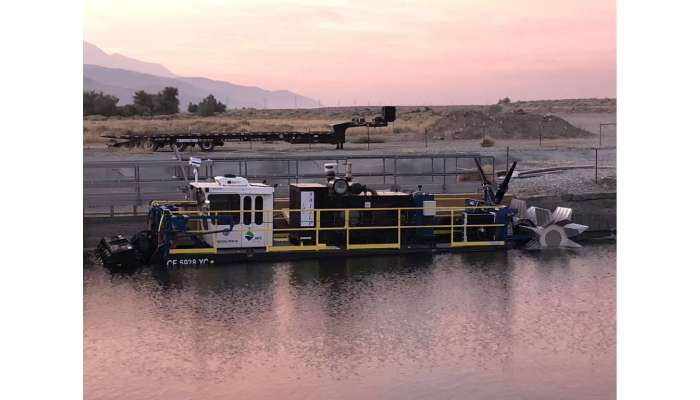
Lakes and other freshwater bodies play a crucial role in maintaining ecological balance and supporting biodiversity. However, over time, they accumulate sediment, organic debris, and pollutants, which can degrade water quality and disrupt aquatic life. One of the most effective solutions to restore and maintain the health of these ecosystems is lake dredging. This process, which involves removing accumulated sediments from the lakebed, offers numerous environmental benefits. In this article, we will explore the various advantages of using a lake dredge to improve water quality, enhance aquatic habitats, and promote sustainable water management.
Lake Dredging
Lake dredging is the process of removing silt, debris, and contaminants from the bottom of a lake using specialized equipment known as a lake dredge. This technique is commonly used for environmental restoration, flood control, and waterway maintenance. There are two primary methods of dredging:
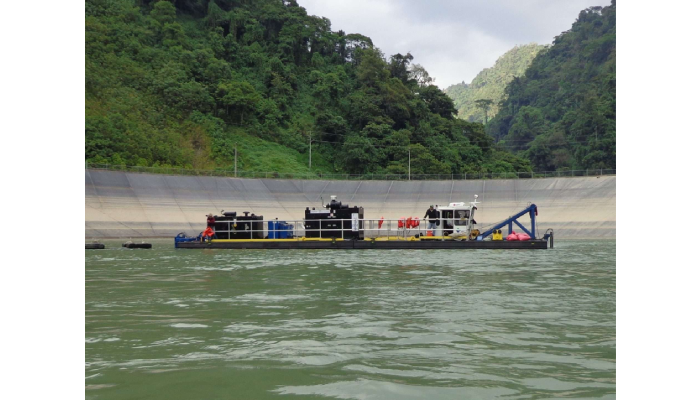
- Mechanical Dredging – Involves using excavators, clamshell buckets, or draglines to physically remove sediment from the lakebed.
- Hydraulic Dredging – Utilizes suction or cutter-head dredges to pump out sediment and transport it through pipelines for disposal or reuse.
Both methods are employed based on the specific needs of the lake and the extent of sediment accumulation.
Improving Water Quality
Over time, lakes accumulate nutrients such as nitrogen and phosphorus, which can lead to excessive algae growth, a condition known as eutrophication. This process depletes oxygen levels in the water, endangering fish and other aquatic organisms. By using a lake dredge to remove nutrient-rich sediments, water quality improves significantly. The benefits include:
- Reduction of algae blooms and associated toxins
- Increased oxygen levels, promoting healthier aquatic life
- Decreased turbidity, leading to clearer water
Restoring Aquatic Habitats
Sediment buildup can alter the natural habitat of fish, amphibians, and aquatic plants. Excessive siltation can cover spawning grounds and disrupt the food chain. Dredging helps restore these habitats by:
- Removing debris that suffocates fish eggs and aquatic vegetation
- Creating deeper areas that provide refuges for fish during seasonal temperature changes
- Encouraging the growth of native plant species that contribute to a balanced ecosystem
Contaminant Removal and Pollution Control
Lakes often collect pollutants from agricultural runoff, industrial waste, and urban stormwater. These contaminants settle in sediments and can be harmful to wildlife and humans. A lake dredge can help remove harmful substances such as:
- Heavy metals like mercury and lead
- Pesticides and herbicides
- Organic pollutants that contribute to poor water quality
By eliminating these pollutants, dredging contributes to a safer and cleaner water source for drinking, recreation, and wildlife habitats.
Preventing Flooding and Enhancing Water Storage
Accumulated sediments can reduce the water-holding capacity of lakes and reservoirs, increasing the risk of flooding during heavy rainfall. Dredging restores the lake’s depth, allowing for better water retention and flood prevention. This is especially crucial in areas prone to seasonal storms and rising water levels.
Supporting Sustainable Water Management
Lakes serve as vital sources of water for irrigation, industrial use, and drinking supply. Over time, sediment accumulation can reduce the availability of clean water. Regular dredging ensures that lakes continue to serve as reliable water reservoirs by:
- Increasing water retention capacity
- Reducing dependency on alternative water sources
- Maintaining flow rates for irrigation and hydropower generation
Enhancing Recreational and Aesthetic Value
Many lakes are used for recreational activities such as boating, fishing, and swimming. Excess sedimentation and pollution can make these activities unsafe or unappealing. A lake dredge can restore the beauty and usability of lakes by:
- Improving water clarity, making lakes more attractive for visitors
- Removing obstacles such as fallen trees and debris that hinder boating
- Enhancing fish populations, benefiting anglers and local tourism
Long-Term Cost Savings
While dredging requires an initial investment, it can save money in the long run by preventing costly environmental damage. For example:
- Preventing algal blooms reduces the need for chemical treatments and water purification costs.
- Reducing flood risks minimizes infrastructure damage and emergency response expenses.
- Maintaining aquatic ecosystems supports local economies dependent on fishing and tourism.
Conclusion
Lake dredging is a crucial environmental restoration technique that offers significant benefits, from improving water quality to restoring aquatic habitats and preventing flooding. By effectively managing sediment buildup, a lake dredge plays a key role in maintaining healthy, sustainable water bodies. When performed responsibly, dredging ensures that lakes continue to provide essential ecological, economic, and recreational benefits for future generations.
Regular monitoring and maintenance, combined with community involvement, can help maximize the positive impacts of dredging projects. Whether for environmental conservation, water management, or recreational enhancement, investing in dredging solutions is a step toward healthier and more sustainable freshwater ecosystems.

Hi there! I’m Scott Ramsey, a passionate blogger with a keen interest in business, technology, and travel. Based in the vibrant United States, I explore the intersection of innovation and adventure in my writing. Join me on my journey as I share insights, tips, and experiences from the world of entrepreneurship, cutting-edge tech, and exciting travel destinations.