

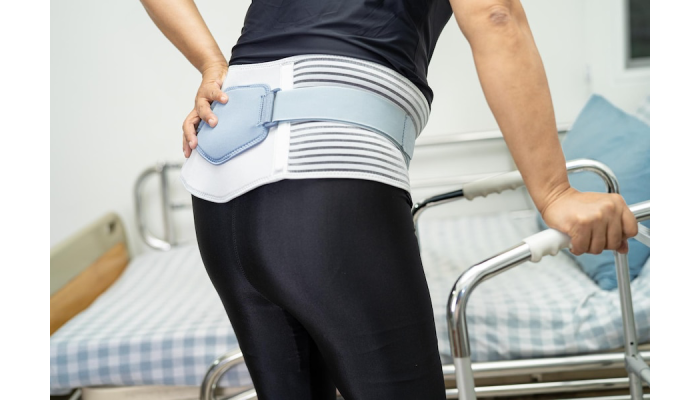
Recovering from a hip replacement surgery can feel like a challenging journey, but the right nutrition plays a critical role in ensuring faster healing and better mobility. After undergoing a major procedure like hip replacement, your body needs essential nutrients to rebuild tissues, strengthen muscles, reduce inflammation, and restore energy. This comprehensive guide will explore the best foods and nutrients to support hip replacement recovery, helping patients regain strength and flexibility.
Why Nutrition Matters in Hip Replacement Recovery?
Proper nutrition is often overlooked in hip replacement recovery, but it is as important as physical therapy and rest. After surgery, your body enters a heightened state of healing, requiring more protein, vitamins, and minerals to repair tissues, rebuild muscles, and fight off potential infections. Patients who follow a nutrient-dense diet tend to experience faster recovery times, improved mobility, and fewer complications like inflammation or infections.
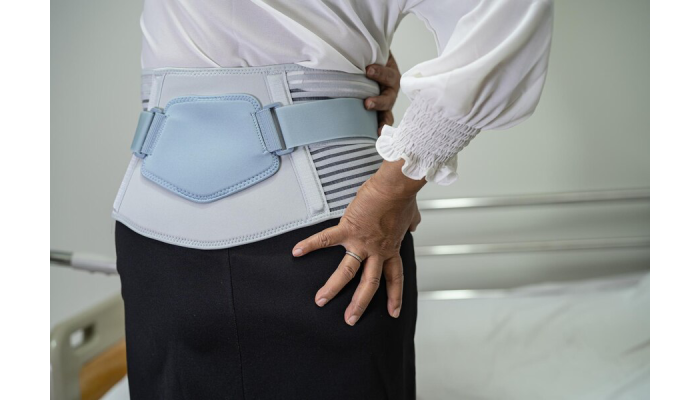
Essential Nutrients for Hip Replacement Recovery
Protein for Tissue Repair and Muscle Strength
Protein is vital after hip replacement surgery because it helps repair surgical wounds and rebuild muscle mass lost during limited mobility. Aim for high-quality protein sources such as:
- Lean meats (chicken, turkey, fish)
- Eggs
- Greek yogurt
- Tofu and tempeh
- Lentils and beans
- Protein shakes (if appetite is low)
Patients undergoing hip replacement recovery should consume 20-30 grams of protein per meal to support muscle strength and tissue healing.
Anti-Inflammatory Omega-3 Fatty Acids
Controlling inflammation after surgery is crucial for reducing pain and promoting faster healing. Omega-3 fatty acids have strong anti-inflammatory properties that benefit hip replacement recovery. Include:
- Salmon, mackerel, and sardines
- Chia seeds and flaxseeds
- Walnuts
- Olive oil
By lowering inflammation, these foods support better joint health and mobility after surgery.
Calcium and Vitamin D for Bone Health
Since hip replacement recovery directly involves healing the hip joint and surrounding bones, getting adequate calcium and vitamin D is essential. These nutrients work together to rebuild bone density and support strong, stable joints. Recommended foods include:
- Dairy products (milk, yogurt, cheese)
- Leafy greens (kale, spinach, collard greens)
- Fortified plant-based milks
- Fatty fish (for vitamin D)
- Eggs
Additionally, spending time in natural sunlight helps your body produce vitamin D naturally, further supporting bone healing.
Vitamin C for Collagen Production and Wound Healing
Vitamin C is a critical nutrient for collagen synthesis, essential for rebuilding connective tissues around the hip joint and ensuring proper wound healing after surgery. Foods rich in vitamin C include:
- Citrus fruits (oranges, grapefruits)
- Bell peppers
- Strawberries
- Kiwi
- Tomatoes
Including these in your daily diet can significantly enhance tissue repair during hip replacement recovery.
Zinc to Support Immune Function and Tissue Repair
Zinc plays a vital role in immune defense and tissue regeneration, both essential after surgery. Foods high in zinc include:
- Shellfish (oysters, crab)
- Beef and poultry
- Chickpeas
- Pumpkin seeds
- Nuts
A well-supported immune system reduces the risk of post-surgical infections, accelerating hip replacement recovery.
Fiber for Digestive Health
Pain medications, reduced activity, and changes in diet during hip replacement recovery can lead to constipation. Consuming fiber-rich foods ensures regular digestion and prevents discomfort. Fiber-rich choices include:
- Whole grains (oats, quinoa, brown rice)
- Fruits (apples, pears, berries)
- Vegetables (broccoli, carrots, Brussels sprouts)
- Legumes (lentils, chickpeas, black beans)
Staying hydrated by drinking plenty of water also aids digestion and supports recovery.
Magnesium to Support Muscle and Nerve Function
Magnesium helps regulate muscle contractions, prevent spasms, and support nerve health — all beneficial during hip replacement recovery when patients are gradually regaining mobility. Magnesium-rich foods include:
- Nuts and seeds (almonds, pumpkin seeds)
- Leafy greens
- Avocados
- Bananas
- Dark chocolate (in moderation)
This mineral also plays a role in calcium absorption, further supporting bone health.
Hydration and Its Role in Hip Replacement Recovery
While food is essential, hydration is equally important. Staying well-hydrated supports tissue healing maintains joint lubrication, and helps flush toxins from medications and anesthesia. Patients should aim to drink:
- Water (8-10 glasses per day)
- Herbal teas (ginger tea, chamomile)
- Broths and soups
Avoid excessive caffeine or sugary drinks, as they may dehydrate the body and slow recovery.
Sample Daily Meal Plan for Hip Replacement Recovery
Here’s a balanced meal plan designed to support hip replacement recovery:
Breakfast
- Scrambled eggs with spinach and avocado
- Whole grain toast
- Fresh orange or grapefruit
- Green tea
Mid-Morning Snack
- Greek yogurt with flaxseeds and berries
Lunch
- Grilled salmon salad with kale, tomatoes, and olive oil dressing
- Quinoa on the side
- Water with lemon
Afternoon Snack
- Hummus with carrots and cucumber
- Pumpkin seeds
Dinner
- Chicken and vegetable stir-fry (bell peppers, broccoli, carrots)
- Brown rice
- Side of strawberries or kiwi
- Chamomile tea
Evening Snack (optional)
- Small handful of walnuts and dark chocolate square
This meal plan delivers a mix of proteins, healthy fats, fiber, vitamins, and minerals essential for hip replacement recovery.
Foods to Avoid During Hip Replacement Recovery
Some foods can slow down healing, increase inflammation, or interfere with medications. Avoid:
- Processed foods (chips, candy, frozen meals)
- Excess sugar (sodas, baked goods)
- Trans fats (fried foods, margarine)
- Excess alcohol
- Salty foods (which can cause fluid retention)
Focusing on whole, nutrient-dense foods ensures your body gets what it needs to heal efficiently.
The Connection Between Nutrition and Long-Term Mobility
While nutrition is critical in the early weeks of hip replacement recovery, continuing to eat well supports long-term joint health and mobility. Foods rich in antioxidants, healthy fats, lean proteins, and whole grains keep inflammation at bay and help maintain strong muscles around the hip joint.
Patients should also aim to maintain a healthy weight post-surgery, as excess body weight adds stress to the new hip joint. A balanced diet combined with appropriate exercise creates the ideal environment for lifelong hip health.
Conclusion
Nutrition plays an undeniable role in successful hip replacement recovery. By incorporating protein, anti-inflammatory foods, essential vitamins and minerals, and staying well-hydrated, patients can promote faster healing, restore strength, and enhance mobility. Combined with physical therapy and medical follow-ups, a nutrient-rich diet helps ensure a smooth recovery journey and supports long-term hip health.

Hi there! I’m Scott Ramsey, a passionate blogger with a keen interest in business, technology, and travel. Based in the vibrant United States, I explore the intersection of innovation and adventure in my writing. Join me on my journey as I share insights, tips, and experiences from the world of entrepreneurship, cutting-edge tech, and exciting travel destinations.