

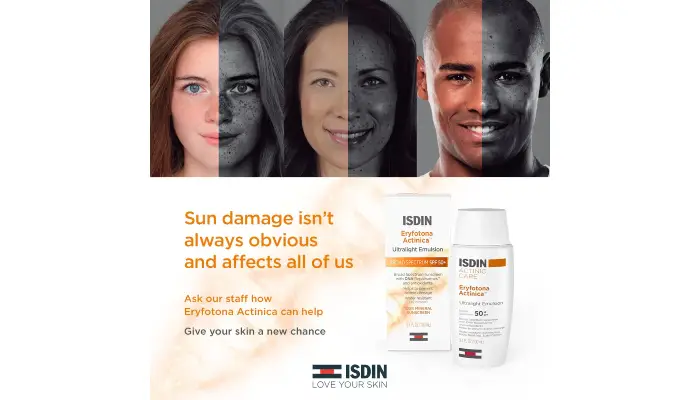
Sunscreen is a non-negotiable step in any skincare routine. With the market flooded with options, selecting the best sunscreen skin care products for your skin type can feel overwhelming. To make the process easier, this guide explores how to identify the right sunscreen to suit your skin’s unique needs while providing optimal protection against harmful UV rays.
Understanding Sunscreen: The Basics
Before diving into the specifics of choosing sunscreen skin care products, it’s important to understand the two main types of sunscreens and how they work:
- Chemical Sunscreens: These absorb UV rays and convert them into heat, which is then released from the skin. They often have a lightweight texture and are ideal for daily wear.
- Physical (or Mineral) Sunscreens: These create a barrier on the skin that reflects UV rays. Common ingredients include zinc oxide and titanium dioxide, which are often recommended for sensitive skin types.
Each type has its pros and cons, but both effectively protect against UV damage when used correctly.
Identifying Your Skin Type
Your skin type plays a significant role in determining which sunscreen skin care products will work best for you. Here are the primary skin types and their characteristics:
- Oily Skin: Prone to shine and enlarged pores, oily skin requires sunscreens that are oil-free and non-comedogenic to prevent clogged pores.
- Dry Skin: Characterized by flakiness, tightness, and dullness, dry skin benefits from sunscreens with added hydrating ingredients like hyaluronic acid and ceramides.
- Sensitive Skin: Easily irritated and prone to redness, sensitive skin is best suited for mineral-based sunscreens with soothing ingredients like aloe vera or chamomile.
- Combination Skin: A mix of oily and dry areas, combination skin requires lightweight, balanced sunscreens that address both concerns.
- Normal Skin: With balanced hydration and minimal issues, normal skin can adapt to a wide range of sunscreens.
Key Features To Look For In Sunscreen Skin Care Products
When selecting a sunscreen, consider the following features to ensure comprehensive protection and compatibility with your skin type:
Broad-Spectrum Protection
Broad-spectrum sunscreens protect against both UVA (aging) and UVB (burning) rays. This dual protection is crucial to prevent skin damage, premature aging, and skin cancer.
SPF Rating
Sun Protection Factor (SPF) measures a sunscreen’s ability to protect against UVB rays. Dermatologists generally recommend SPF 30 or higher for daily use. Higher SPF numbers provide incremental increases in protection but do not make you invincible to UV damage.
Water Resistance
If you’ll be swimming or sweating, opt for water-resistant sunscreens. Keep in mind that no sunscreen is completely waterproof, so reapplication is essential.
Non-Comedogenic Formula
For those with acne-prone or oily skin, choose sunscreens labeled as non-comedogenic to minimize the risk of breakouts.
Added Skin Care Benefits
Modern sunscreen skin care products often include antioxidants, vitamins, and hydrating agents. These can enhance your skincare routine by providing additional benefits such as hydration and protection against free radicals.
Best Sunscreen Recommendations Based On Skin Type
For Oily Skin
- Look for lightweight, gel-based, or mattifying sunscreens.
- Ingredients like silica or niacinamide can help control shine and excess oil.
- Recommended Products:
- Gel-based SPF formulas
- Oil-free, mattifying sunscreens
For Dry Skin
- Choose moisturizing sunscreens with creamy or lotion-like textures.
- Look for products with nourishing ingredients like glycerin, hyaluronic acid, or shea butter.
- Recommended Products:
- Hydrating SPF with ceramides
- Sunscreens enriched with oils for extra moisture
For Sensitive Skin
- Stick to mineral sunscreens with soothing, fragrance-free formulas.
- Avoid chemical filters like oxybenzone that may cause irritation.
- Recommended Products:
- Zinc oxide-based SPF
- Sunscreens designed for eczema-prone skin
For Combination Skin
- Opt for lightweight, non-greasy sunscreens that hydrate without clogging pores.
- Hybrid sunscreens (combining mineral and chemical filters) can offer balanced protection.
- Recommended Products:
- Gel-lotion SPF
- Lightweight broad-spectrum sunscreens
For Normal Skin
- Feel free to explore various options based on preference, as normal skin can handle most formulations.
- Consider products with added skincare benefits like antioxidants.
- Recommended Products:
- Antioxidant-infused SPF
- Sunscreens with additional anti-aging properties
Common Myths About Sunscreen Skin Care Products
Dark Skin Doesn’t Need Sunscreen
Fact: All skin tones are susceptible to UV damage, hyperpigmentation, and skin cancer. Sunscreen is essential regardless of melanin levels.
Sunscreen Is Only Necessary on Sunny Days
Fact: UV rays penetrate clouds, so daily sunscreen use is vital even on overcast days.
Higher SPF Means You Don’t Need to Reapply
Fact: No matter the SPF, reapplication every two hours is crucial, especially after swimming or sweating.
Makeup with SPF Is Enough
Fact: While helpful, makeup with SPF doesn’t provide sufficient coverage. Always layer it over a dedicated sunscreen.
Tips For Applying Sunscreen Effectively
- Apply Generously: Use about a teaspoon of sunscreen for your face and neck and an ounce (a shot glass worth) for your body.
- Don’t Forget Hidden Spots: Areas like your ears, the back of your neck, and your hands are often neglected but equally vulnerable.
- Reapply Often: Refresh your sunscreen every two hours or immediately after swimming or sweating.
- Layer Correctly: Sunscreen should be the final step in your morning skincare routine, applied after moisturizer but before makeup.
Why Consistent Sunscreen Use Matters?
Regular use of sunscreen skin care products not only prevents painful sunburns but also minimizes the risk of long-term damage such as premature aging, dark spots, and even skin cancer. Incorporating sunscreen into your daily regimen is a simple yet powerful way to maintain healthy, glowing skin.
Conclusion
Choosing the best sunscreen skin care products for your skin type doesn’t have to be daunting. By understanding your skin’s unique needs and prioritizing features like broad-spectrum protection, SPF, and suitable formulations, you can confidently protect your skin from harmful UV rays. Remember, sunscreen is a daily necessity that goes beyond aesthetics—it’s a cornerstone of overall skin health.

Hi there! I’m Scott Ramsey, a passionate blogger with a keen interest in business, technology, and travel. Based in the vibrant United States, I explore the intersection of innovation and adventure in my writing. Join me on my journey as I share insights, tips, and experiences from the world of entrepreneurship, cutting-edge tech, and exciting travel destinations.