

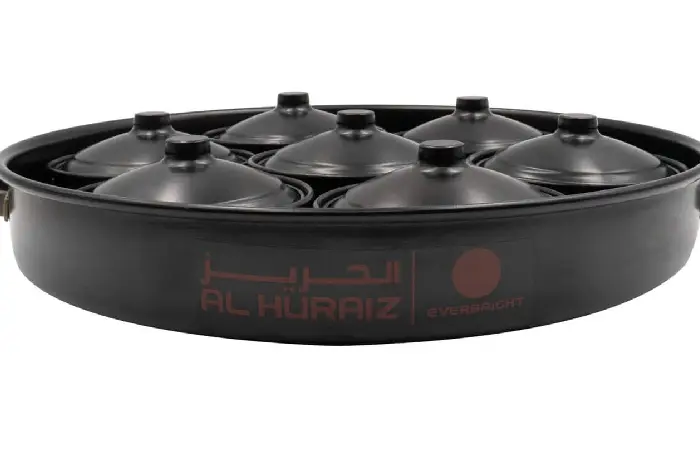
In recent years, the restaurant industry in Dubai has experienced tremendous growth and transformation. As the culinary landscape continues to evolve, so does the technology that powers it. Restaurant kitchen equipment plays a vital role in the efficiency, safety, and quality of the food being prepared. As Dubai becomes a hub for international cuisine, the future of restaurant kitchen equipment in Dubai is becoming more innovative, sustainable, and tech-driven. If you’re a restaurateur or aspiring to open a new restaurant, staying updated on these trends is essential to keep your kitchen competitive and efficient.
The Rise Of Smart Restaurant Kitchen Equipment In Dubai
The integration of smart technology into restaurant kitchen equipment in Dubai is one of the most significant trends shaping the industry in Dubai. From smart ovens and refrigerators to automated cooking systems, technology is transforming the way chefs prepare and serve food.
Smart kitchen equipment can provide valuable data insights, allowing restaurant owners to monitor performance remotely. For example, smart ovens can adjust cooking temperatures automatically based on the type of food being prepared, ensuring perfect results every time. Similarly, smart refrigerators can alert chefs when the temperature is rising, preventing spoilage and food waste.
These innovations not only help streamline operations but also reduce labor costs and improve food safety. As Dubai continues to attract tech-savvy chefs and restaurant owners, the demand for smart kitchen equipment is expected to grow.
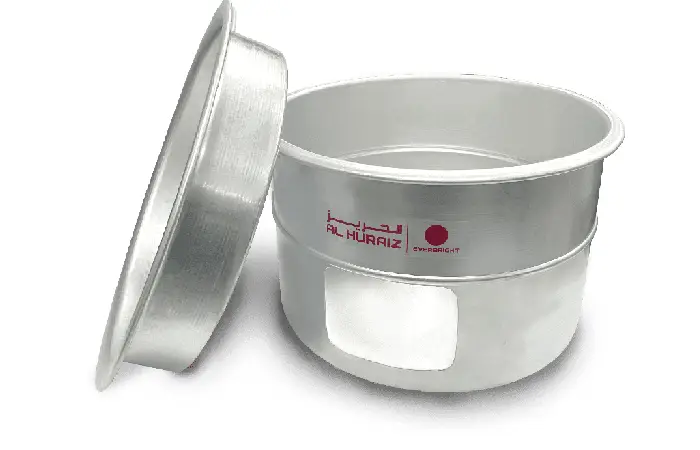
Sustainability: Energy-Efficient Restaurant Kitchen Equipment
Sustainability is a growing concern for restaurant owners worldwide, and Dubai is no exception. As environmental consciousness rises, the demand for energy-efficient restaurant kitchen equipment is steadily increasing. In Dubai, where energy costs can be high and sustainability is a priority, investing in energy-efficient appliances is not just an option—it’s a necessity.
Modern kitchen equipment such as energy-efficient ovens, dishwashers, and fryers help reduce energy consumption without compromising performance. For example, induction cooktops, which use electromagnetic energy to directly heat pots and pans, are more efficient than traditional gas or electric stoves. Additionally, newer refrigeration systems use eco-friendly refrigerants that have a lower environmental impact.
Investing in energy-efficient restaurant kitchen equipment not only helps reduce operational costs but also enhances the restaurant’s reputation as an eco-conscious business. This is increasingly becoming a selling point for environmentally aware consumers who are looking to dine at sustainable establishments.
Automation And Robotics In Restaurant Kitchens
The future of restaurant kitchen equipment in Dubai is becoming increasingly automated, with robotics playing a major role in streamlining kitchen operations. Automation can help improve food consistency, speed, and labor efficiency—key factors in the fast-paced restaurant industry.
Robots and automated machines are already being used for repetitive tasks such as chopping vegetables, flipping burgers, and even preparing pizzas. For example, robotic pizza makers can spread sauce, sprinkle cheese, and add toppings, all while ensuring consistent quality. Similarly, automated fryers and grills can cook food at a precise temperature and monitor timing, freeing up kitchen staff for more complex tasks.
As labor shortages and rising wages remain a challenge in Dubai’s restaurant industry, automated restaurant kitchen equipment will become an essential part of the business model. By investing in automation, restaurants can improve their efficiency and maintain high-quality standards while cutting down on labor costs.
Cloud-Based Kitchen Management Systems
The use of cloud technology in restaurant kitchen operations is revolutionizing the way restaurant owners manage their kitchens. Cloud-based kitchen management systems enable restaurant owners and managers to monitor inventory, track orders, and control cooking processes remotely.
These systems are equipped with features such as real-time order tracking, which helps kitchen staff stay on top of orders and reduce delays. Additionally, cloud-based systems can generate reports on inventory levels, helping restaurants optimize their stock levels and reduce food waste. This data-driven approach allows for better decision-making and more efficient use of restaurant kitchen equipment.
In Dubai, where restaurants often face high operating costs and competitive pressure, cloud-based systems can enhance the overall efficiency and profitability of the kitchen, while also improving the dining experience for customers.
The Growing Demand For Compact And Multi-Function Equipment
In Dubai, where space can be limited in both commercial and residential settings, compact and multi-functional restaurant kitchen equipment is becoming increasingly popular. Many new kitchens, especially in urban areas, face space constraints, so having equipment that serves multiple purposes is essential.
Multi-functional equipment, such as combi-ovens, that can steam, bake, and roast, allows restaurants to save space while still offering a variety of cooking methods. Similarly, smaller, compact fryers, grills, and refrigerators are being designed to maximize space without sacrificing performance.
Compact equipment is also ideal for cloud kitchens, which have emerged as a cost-effective solution for restaurants in Dubai. These delivery-only kitchens require efficient and space-saving equipment to meet the high demand for takeout and delivery services. Multi-functional appliances allow operators to optimize their limited kitchen space while maintaining operational efficiency.
Ai And Machine Learning: Predictive Maintenance For Restaurant Equipment
As artificial intelligence (AI) and machine learning continue to evolve, predictive maintenance is becoming a major trend in the restaurant industry. Predictive maintenance uses AI to monitor the performance of kitchen equipment and predict when maintenance is required before a failure occurs. This helps restaurant owners in Dubai avoid costly repairs and unexpected downtime.
For example, AI-powered sensors can detect anomalies in cooking appliances such as ovens or fryers, alerting staff to potential issues before they disrupt kitchen operations. With this data, restaurants can schedule maintenance during off-hours, minimizing disruptions and ensuring that kitchen equipment operates at peak efficiency.
The ability to predict equipment malfunctions and address them proactively is particularly valuable in high-volume restaurants in Dubai, where downtime can lead to significant financial losses.
The Integration Of Health And Safety Features In Restaurant Equipment
Health and safety are top priorities in any restaurant, especially in a food-focused city like Dubai. Restaurant kitchen equipment manufacturers are increasingly incorporating advanced health and safety features into their designs. These features are particularly relevant in Dubai, where food safety regulations are stringent and customer expectations are high.
Touchless faucets, smart temperature sensors, and automated sanitization systems are examples of features designed to enhance hygiene in the kitchen. For instance, some ovens now include self-cleaning mechanisms that reduce the need for manual cleaning and minimize the risk of contamination. Additionally, advanced ventilation systems are being incorporated into cooking equipment to improve air quality and reduce smoke in kitchens.
By investing in kitchen equipment with built-in health and safety features, restaurants in Dubai can ensure they meet regulatory standards while also providing a safe and clean environment for staff and customers.
Customization And Personalization In Kitchen Design
Dubai’s dynamic food scene is characterized by a wide variety of cuisines, and restaurant owners are looking for kitchen equipment that can be tailored to their specific needs. Customization is a key trend in the future of restaurant kitchen equipment, as chefs and restaurateurs seek equipment that suits their unique cooking styles and menu offerings.
Custom-designed kitchen equipment can include specialized grills, ovens, or refrigeration systems that are tailored to the restaurant’s specific needs. For example, a restaurant specializing in Middle Eastern cuisine may require specialized grills or ovens for cooking kebabs and other traditional dishes. By customizing kitchen equipment, restaurant owners can improve efficiency and ensure that their kitchen is optimized for their culinary vision.
Conclusion
The future of restaurant kitchen equipment in Dubai is driven by innovation, sustainability, and efficiency. As restaurants continue to adapt to new challenges, from labor shortages to high energy costs, investing in the right kitchen equipment will be crucial to maintaining success in a competitive market. Whether it’s embracing smart technology, prioritizing energy efficiency, or incorporating automation, the trends discussed here are shaping the future of restaurant kitchens in Dubai. By staying ahead of these trends, restaurant owners can ensure that their kitchens remain at the cutting edge of culinary excellence while also delivering an exceptional dining experience to customers.

Hi there! I’m Scott Ramsey, a passionate blogger with a keen interest in business, technology, and travel. Based in the vibrant United States, I explore the intersection of innovation and adventure in my writing. Join me on my journey as I share insights, tips, and experiences from the world of entrepreneurship, cutting-edge tech, and exciting travel destinations.