


Eco-friendly traffic paint is emerging as a sustainable choice for road markings, helping reduce pollution while maintaining safety and visibility. Traditional traffic paints often contain harmful chemicals, but eco-friendly options are made to minimize environmental impact. With growing concerns over air quality and resource preservation, many municipalities and businesses are shifting towards these sustainable alternatives. These paints not only offer reduced volatile organic compounds (VOCs) but also use natural and recycled materials. Understanding eco-friendly traffic paint options can help in making responsible choices that meet safety standards while contributing to environmental conservation.
Exploring Eco-Friendly Alternatives In Traffic Paint
Eco-friendly traffic paint alternatives include water-based, bio-based, and recycled-content paints, all formulated to reduce environmental harm. Unlike conventional paints, which often release VOCs into the air, water-based paints use water as a solvent, reducing emissions. Bio-based options utilize natural materials like vegetable oils, which offer similar durability without relying on petroleum. Recycled-content paints incorporate materials like crushed glass or plastic to further minimize waste. Each alternative aims to provide high-quality performance and longevity, allowing cities and private entities to choose options that fit their environmental goals and regulatory requirements.
Understanding The Benefits Of Eco-Friendly Traffic Paint
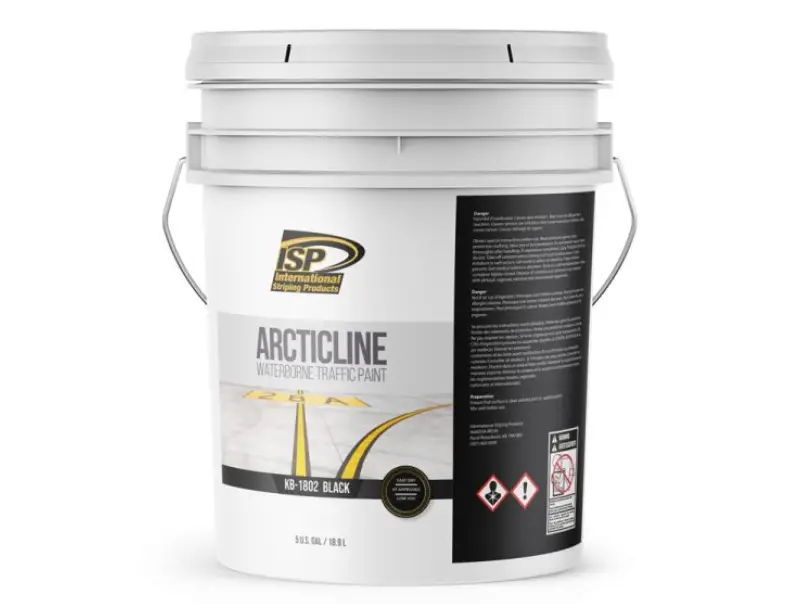
Eco-friendly traffic paint offers numerous benefits, from reduced air pollution to safer working conditions for application crews. These paints typically release fewer toxins, improving air quality and lowering health risks associated with VOC exposure. They are also biodegradable, which minimizes long-term environmental impacts on soil and waterways. By using eco-friendly paint, municipalities can reduce their carbon footprint, enhancing their commitment to sustainability. Additionally, these paints can sometimes be more reflective, improving road safety. Choosing eco-friendly traffic paint supports sustainable infrastructure while promoting public health and safety.
Key Ingredients To Look For In Traffic Paint Options
When selecting eco-friendly traffic paint, it’s essential to look for low-VOC or VOC-free options made from sustainable ingredients. Water-based formulations are ideal as they minimize solvent emissions. Bio-based materials, such as linseed oil or soy-based binders, are effective in reducing reliance on petroleum. Additionally, ingredients like titanium dioxide provide excellent opacity without compromising safety or durability. Recycled materials, such as glass beads for reflectivity, can also enhance visibility while reducing waste. These eco-friendly ingredients ensure the paint is safe, high-performing, and environmentally responsible.
How Eco-Friendly Traffic Paint Reduces Environmental Impact?
Eco-friendly traffic paint reduces environmental impact by lowering VOC emissions and minimizing toxic runoff into soil and waterways. Conventional traffic paints often contribute to smog and ozone formation due to their high VOC content. Eco-friendly paints, however, are made with non-toxic, biodegradable ingredients that break down naturally, avoiding long-term environmental harm. Furthermore, many sustainable traffic paints include recycled materials, which conserves resources and reduces landfill waste. By choosing eco-friendly paints, municipalities can protect local ecosystems and promote cleaner air and water, aligning infrastructure development with environmental stewardship.
Comparing Durability Of Eco-Friendly Traffic Paint Choices
Durability is crucial in traffic paint, and eco-friendly options are engineered to last as long as traditional paints. Water-based paints, while less harmful, maintain strong adhesion and color retention, resisting fading and weathering. Some bio-based formulations, like soybean or linseed oil-based paints, provide enhanced durability and can withstand heavy traffic and weather conditions. Recycled-content paints are also designed to be resilient on high-impact surfaces. Although eco-friendly paints may vary slightly in wear compared to conventional options, advancements in formulations mean they now offer comparable durability with added environmental benefits.
Cost Considerations For Choosing Sustainable Traffic Paint
While eco-friendly traffic paint may have a higher upfront cost, their long-term benefits often outweigh initial expenses. Sustainable paints, particularly water-based and bio-based options, can reduce maintenance needs due to improved durability, potentially lowering costs over time. Additionally, many eco-friendly paints qualify for green certifications, which can open up funding opportunities or tax incentives for municipalities and organizations. Factoring in the reduced environmental impact and potential health benefits, eco-friendly traffic paint can be a cost-effective choice in the long run, aligning financial and environmental priorities.
Tips For Selecting The Right Eco-Friendly Traffic Paint
- When choosing eco-friendly traffic paint, consider factors such as application requirements, traffic volume, and local climate. High-traffic areas may benefit from bio-based paints known for durability, while lower-traffic regions can rely on water-based options. Check for certifications like Green Seal or low-VOC labels, which ensure environmental standards are met. Reflective properties can enhance nighttime visibility, so consider options with glass beads.
- Testing a sample area for adhesion and color longevity is also helpful. By carefully evaluating these factors, you can choose a sustainable traffic paint that meets both performance and eco-friendly standards.
Conclusion
Eco-friendly traffic paint presents a valuable solution for those looking to enhance road safety while supporting environmental goals. With reduced VOC emissions, sustainable ingredients, and long-lasting performance, these paints offer a responsible alternative to traditional options. Whether you prioritize low environmental impact, durability, or cost-effectiveness, eco-friendly traffic paints align with today’s sustainability objectives. Choosing the right traffic paint involves balancing immediate needs with long-term environmental benefits, ensuring road markings that not only perform well but also contribute positively to community health and the planet’s future.
Resource URL:
https://roadly.ca/isp-solvent-traffic-paint-blue/
https://en.wikipedia.org/wiki/Paint

Hi there! I’m Scott Ramsey, a passionate blogger with a keen interest in business, technology, and travel. Based in the vibrant United States, I explore the intersection of innovation and adventure in my writing. Join me on my journey as I share insights, tips, and experiences from the world of entrepreneurship, cutting-edge tech, and exciting travel destinations.