

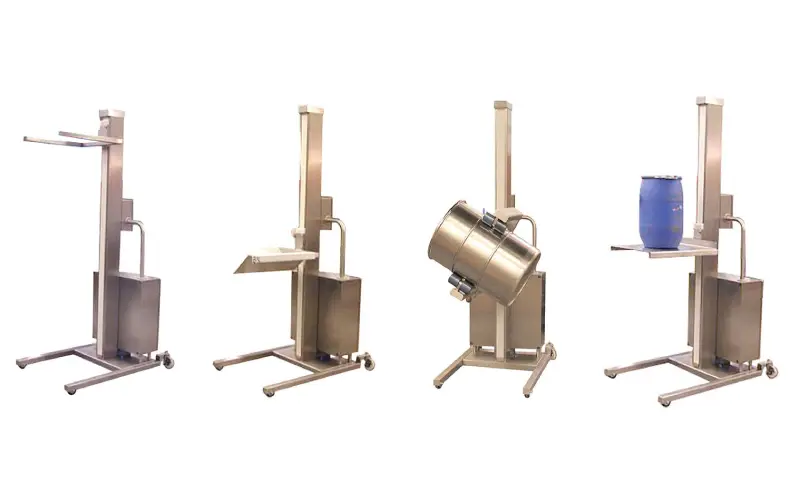
In the realm of truck and bus maintenance, ensuring optimal performance and safety is paramount. Portable column lifts have emerged as a transformative tool, allowing mechanics to efficiently elevate heavy vehicles for thorough inspections, repairs, and maintenance tasks. Unlike traditional lifts, which may require substantial space and permanent installation, portable column lifts offer flexibility and mobility, making them an ideal solution for workshops, garages, and even on-site repairs. With the capacity to lift vehicles several feet off the ground, these innovative lifts enhance accessibility to critical components such as brakes, exhaust systems, and undercarriages. As the demand for heavy vehicle maintenance continues to grow, understanding the advantages, features, and best practices associated with portable column lifts becomes essential for businesses aiming to improve their operational efficiency and safety standards.
Benefits Of Portable Column Lift For Heavy Vehicle Maintenance
Portable column lift are increasingly recognized for their numerous advantages in heavy vehicle maintenance. One of the primary benefits is their versatility; they can be easily transported and set up in various locations, allowing maintenance personnel to perform tasks wherever the vehicles are located. This mobility is particularly advantageous for fleets that require on-site servicing, such as those in construction, delivery, or public transportation sectors. Additionally, these lifts can support a wide range of vehicle sizes, from buses to heavy trucks, providing mechanics with the capability to handle diverse maintenance needs. Moreover, the adjustable lifting heights of portable column lifts enable mechanics to work comfortably and efficiently, reducing physical strain and enhancing productivity. The design of these lifts often includes features that facilitate quick setup and operation, further optimizing workflow in busy maintenance environments. Overall, the integration of portable column lifts in heavy vehicle maintenance not only improves efficiency but also promotes a safer working environment by providing better access to critical vehicle components.

Features To Consider When Choosing A Portable Column Lift
When selecting a portable column lift for truck and bus maintenance, several key features should be considered to ensure optimal performance and suitability for specific needs. First and foremost, the lift’s weight capacity is critical; it should be capable of safely supporting the heaviest vehicles in the fleet, which often exceed several tons. Additionally, the lifting height and range should be evaluated to ensure that it meets the requirements for various maintenance tasks. Another essential feature is the portability aspect look for lifts that are lightweight yet durable, equipped with wheels for easy maneuverability. The lifting mechanism should be user-friendly, with intuitive controls and safety features such as automatic locking systems to prevent accidents. Compatibility with various vehicle types is also important; some lifts offer interchangeable attachments that accommodate different axle configurations. Moreover, consider the construction material of the lift steel and aluminum options provide different benefits in terms of durability and weight. Lastly, warranty and customer support are crucial, as they reflect the manufacturer’s confidence in their product and provide peace of mind for maintenance operations.
Safety Protocols for Using a Portable Column Lift in Maintenance Tasks
Safety is paramount when using a portable column lift for maintenance tasks, given the heavy loads and potential risks involved. Before operating the lift, thorough training for all personnel is essential to ensure they understand how to use the equipment correctly and safely. Pre-operation checks should be conducted to inspect the lift for any signs of wear, damage, or malfunction; this includes verifying that all components, such as hydraulic systems and locking mechanisms, are functioning properly. Mechanics should always follow the manufacturer’s guidelines regarding weight limits and operational procedures, and they should never exceed the lift’s rated capacity. During the lifting process, it is crucial to maintain a clear work area to prevent accidents and ensure that no personnel are beneath the lifted vehicle unless it is supported by additional safety stands. Moreover, the use of personal protective equipment (PPE), such as gloves and safety goggles, is recommended to protect against potential hazards. Establishing clear communication among team members during the lifting and maintenance process can further enhance safety, ensuring everyone is aware of the actions being taken and any potential risks.
Portable Column Lift Enhances Efficiency In Truck And Bus Repairs
Efficiency in truck and bus repairs is significantly improved with the use of portable column lifts, which streamline the entire maintenance process. These lifts allow mechanics to quickly elevate vehicles to the ideal working height, reducing the time spent on manual lifting and positioning. This rapid setup and takedown capability enables technicians to focus more on the actual repair work rather than the logistics of accessing the vehicle’s undercarriage. Furthermore, the versatility of portable column lifts means they can be utilized for a wide range of maintenance tasks, from routine inspections to complex repairs, thus minimizing downtime for vehicles. The design of these lifts often allows for multiple vehicles to be serviced simultaneously in a single workspace, which can substantially boost productivity in busy maintenance environments. By facilitating easier access to critical components such as brakes, axles, and exhaust systems, portable column lifts enable mechanics to diagnose issues more efficiently, leading to faster turnaround times for repairs and improved overall service quality. Ultimately, the integration of portable column lifts into maintenance operations results in a more organized, effective, and timely service process.
Best Practices For Maintaining Your Portable Column Lift
To ensure the longevity and optimal performance of a portable column lift, adhering to best practices for maintenance is essential. Regular inspections should be conducted to check for wear and tear, particularly in critical components such as hydraulic systems and lifting mechanisms. Operators should be trained to identify signs of potential issues, such as unusual noises or resistance during operation, and to report them immediately for servicing. Cleaning the lift after each use is also crucial to prevent the buildup of dirt and debris, which can interfere with its operation and lead to premature wear. Additionally, following the manufacturer’s guidelines for lubrication and maintenance schedules will help keep the lift functioning smoothly. It is advisable to keep an up-to-date log of maintenance activities, repairs, and inspections to track the lift’s condition over time. Lastly, when the lift is not in use, it should be stored in a dry, secure location to protect it from environmental factors that could cause damage. By implementing these best practices, maintenance facilities can ensure their portable column lifts remain safe, efficient, and reliable for years to come.
Comparing Portable Column Lift Options For Different Vehicle Sizes
When it comes to selecting a portable column lift, understanding the differences among various models is vital, especially when catering to different vehicle sizes. Portable column lifts are designed with varying weight capacities and lifting heights, making it crucial to choose a lift that aligns with the specific needs of the fleet. For smaller vehicles, lighter lifts with lower weight capacities may be sufficient; however, for larger trucks and buses, a heavy-duty model with a higher capacity is necessary to ensure safety and functionality. Additionally, some portable column lifts come with adjustable features or interchangeable attachments that allow them to accommodate various vehicle configurations, such as different axle widths or heights. It’s also important to consider the lifting speed, as some models can elevate vehicles more rapidly than others, affecting overall efficiency during maintenance tasks. Reading customer reviews and seeking recommendations from industry professionals can provide valuable insights into the best portable column lift options available, ensuring that the chosen model meets the requirements of the specific vehicle sizes in the maintenance operation.
Vehicle Maintenance With Advanced Portable Column Lift Technology
As technology continues to advance, the future of vehicle maintenance is poised to be significantly enhanced by innovations in portable column lift technology. Manufacturers are increasingly integrating smart technologies into their lifts, such as automated lifting systems, load sensors, and mobile app controls, which allow for real-time monitoring and operation from a distance. These advancements aim to improve both safety and efficiency by providing operators with immediate feedback on the lift’s performance and potential issues. Moreover, the development of more compact and lightweight materials will likely lead to even more portable designs, allowing for easier transport and setup in various locations. Future portable column lifts may also incorporate energy-efficient features, such as battery-powered systems, reducing environmental impact and operational costs. Additionally, advancements in user interface design will make these lifts more intuitive and easier to operate, further improving their accessibility for technicians. As the heavy vehicle maintenance industry evolves, embracing these technological innovations will not only enhance operational efficiency but also set new standards for safety and performance in the maintenance of trucks and buses.
Conclusion
In conclusion, the portable column lift stands as a vital tool for truck and bus maintenance, offering a blend of efficiency, safety, and versatility. Its ability to accommodate a wide range of vehicle sizes and types, combined with the mobility it provides, makes it an invaluable asset in any maintenance operation. By understanding the benefits, key features, safety protocols, and best practices associated with portable column lifts, maintenance facilities can maximize their operational efficiency and enhance the quality of service they provide. As technology continues to evolve, the future holds promising advancements that will further improve the functionality and effectiveness of portable column lifts, ensuring they remain integral to the heavy vehicle maintenance landscape. Investing in high-quality portable column lifts and adhering to maintenance best practices will ensure these tools continue to contribute positively to the industry, ultimately leading to safer, more efficient operations in the world of truck and bus maintenance.

Hi there! I’m Scott Ramsey, a passionate blogger with a keen interest in business, technology, and travel. Based in the vibrant United States, I explore the intersection of innovation and adventure in my writing. Join me on my journey as I share insights, tips, and experiences from the world of entrepreneurship, cutting-edge tech, and exciting travel destinations.