

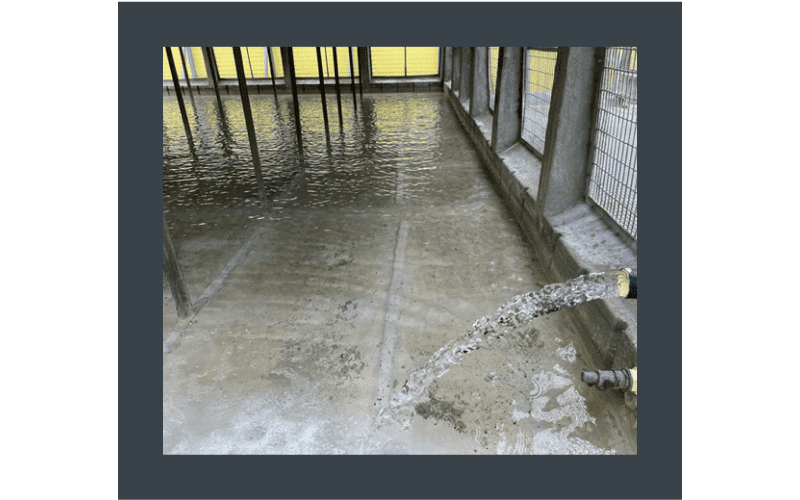
Cooling towers play a vital role in various industrial and commercial applications by dissipating heat from processes and systems that utilize water for cooling. Proper water treatment is essential for maintaining the efficiency and longevity of cooling towers, as untreated water can lead to scaling, corrosion, and biological fouling, significantly impacting performance. Learning from case studies provides valuable insights into the effectiveness of various cooling tower water treatment strategies, showcasing real-world applications and outcomes. This examination not only highlights successes and failures but also elucidates key lessons that can be applied to future projects. By analyzing these case studies, industry professionals can gain a deeper understanding of the complexities involved in cooling tower water treatment, identify common challenges faced, and explore innovative solutions that have been successful. Furthermore, these lessons extend beyond technical aspects, emphasizing the importance of collaboration among stakeholders, the implementation of best practices, and the need for continuous improvement to adapt to evolving industry standards and regulations. The insights gained from these real-world experiences pave the way for improved efficiency, reduced operational costs, and enhanced environmental sustainability in cooling tower operations.
Insights Gained From Cooling Tower Water Treatment Case Studies
Case studies on cooling tower water treatment provide critical insights that can guide decision-making processes in similar projects. One significant takeaway is the necessity of a comprehensive water treatment plan tailored to specific site conditions, which often includes an analysis of water quality, potential contaminants, and environmental factors. For instance, a case study may reveal how a facility faced recurring scaling issues due to high mineral content in its source water. By implementing a customized water treatment solution that incorporated both chemical and mechanical approaches, the facility was able to mitigate scaling effectively and enhance heat exchange efficiency. Another insight is the importance of regular monitoring and maintenance practices, which were highlighted in several case studies. Facilities that employed advanced monitoring technologies, such as real-time data analytics and automated control systems, experienced fewer operational disruptions and maintained optimal performance levels. Additionally, collaboration with water treatment specialists and vendors emerged as a key theme across various studies, indicating that leveraging expert knowledge can significantly improve treatment outcomes. By synthesizing these insights from diverse cooling tower water treatment case studies, stakeholders can develop more effective strategies and practices that enhance overall operational efficiency and sustainability.
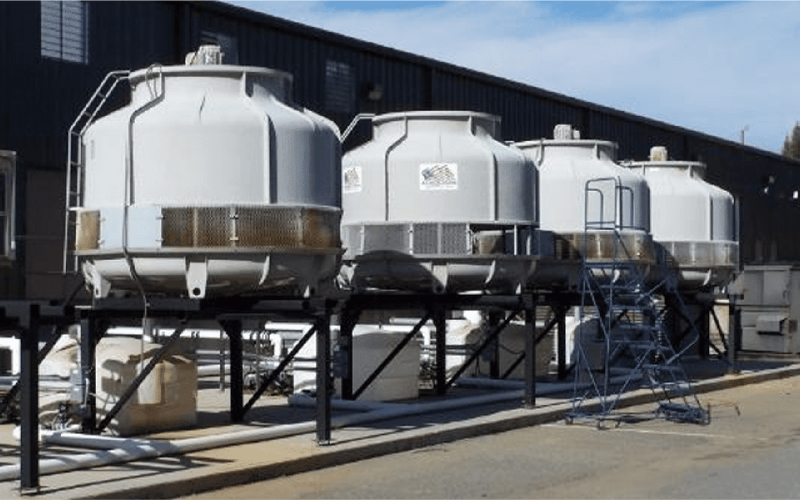
Cooling Tower Water Treatment And How To Overcome Them
Cooling tower water treatment is fraught with challenges that can hinder performance and efficiency if not addressed appropriately. One common challenge is the buildup of scale and corrosion within the cooling system, often exacerbated by factors such as water chemistry, temperature fluctuations, and flow rates. Case studies have documented instances where facilities struggled with persistent scaling, leading to reduced heat transfer efficiency and increased energy costs. To overcome this challenge, many facilities implemented a multi-faceted approach that included adjusting water chemistry through the addition of inhibitors, optimizing water flow rates, and conducting regular system cleanings. Another prevalent challenge is biological fouling, which can lead to serious operational issues if not managed effectively. Case studies revealed that many facilities adopted integrated pest management strategies, combining biocides with preventive measures like maintaining proper water circulation and temperature controls to minimize microbial growth. Additionally, a lack of operator training and awareness often contributes to inefficiencies in cooling tower water treatment. By investing in training programs and fostering a culture of continuous learning, facilities can empower their staff to recognize issues early and implement effective solutions. These case studies underscore the importance of proactive measures, ongoing education, and a collaborative approach to tackling common challenges in cooling tower water treatment.
Identified In Successful Cooling Tower Water Treatment Initiatives
Successful cooling tower water treatment initiatives often reveal best practices that can be replicated in various settings. One of the most effective practices identified in multiple case studies is the implementation of a comprehensive water treatment program that includes routine monitoring and analysis of water quality parameters. Facilities that prioritized regular water testing and adjusted their treatment strategies accordingly experienced significant improvements in system efficiency and reliability. Another best practice is the adoption of a preventive maintenance schedule that includes regular inspections, cleaning, and chemical dosing to prevent fouling and scaling before they become problematic. Case studies have shown that facilities that followed a disciplined maintenance regimen not only extended the life of their cooling towers but also achieved substantial energy savings. Additionally, fostering collaboration among stakeholders, including facility managers, water treatment specialists, and maintenance teams, emerged as a critical success factor. Open communication and shared goals among these groups facilitate the development of tailored solutions that address specific operational challenges. Moreover, the incorporation of advanced technologies, such as automated chemical feed systems and predictive analytics, was highlighted as a best practice in several case studies, leading to improved accuracy in chemical dosing and real-time performance monitoring. By embracing these best practices, facilities can optimize their cooling tower water treatment processes and achieve long-term operational success.
Technology In Enhancing Cooling Tower Water Treatment Outcomes
Technology plays a transformative role in enhancing cooling tower water treatment outcomes, as demonstrated by various case studies across the industry. The integration of advanced monitoring systems has proven to be a game-changer, allowing facilities to track key water quality parameters in real-time. For instance, case studies highlight how facilities that adopted IoT-enabled sensors and data analytics platforms gained valuable insights into water chemistry, enabling timely adjustments to treatment protocols. This proactive approach not only enhances operational efficiency but also reduces the risk of fouling and scaling, leading to significant cost savings. Additionally, automated chemical dosing systems have emerged as a vital technological advancement, providing precise control over the application of treatment chemicals. Case studies indicate that facilities utilizing automated systems achieved greater consistency in chemical dosing, resulting in improved water quality and reduced chemical consumption. Furthermore, technology facilitates better reporting and compliance with environmental regulations, as many systems offer built-in data logging and reporting features that streamline regulatory documentation. The implementation of mobile applications and dashboards for facility management also empowers operators to make informed decisions on-the-go, improving responsiveness to any emerging issues. Overall, the strategic use of technology in cooling tower water treatment not only enhances system performance but also promotes sustainable practices by minimizing resource usage and environmental impact.
Realized From Effective Cooling Tower Water Treatment Strategies
Implementing effective cooling tower water treatment strategies yields substantial economic benefits for facilities. Numerous case studies illustrate how proactive water treatment approaches can lead to significant cost savings through improved energy efficiency. For example, facilities that adopted tailored treatment programs experienced enhanced heat transfer efficiency, reducing the energy required to maintain desired cooling levels. This reduction in energy consumption often translates into lower utility bills, contributing to a positive return on investment. Additionally, effective water treatment minimizes maintenance costs by preventing issues such as scaling, corrosion, and biological fouling that can result in costly repairs and unplanned downtime. Case studies have shown that facilities that prioritize water treatment report reduced maintenance frequency and expenditure, allowing resources to be allocated more effectively. Furthermore, investing in water treatment can extend the lifespan of cooling tower components, leading to long-term savings on replacement costs. Economic benefits also extend to compliance with environmental regulations, as facilities that implement robust water treatment protocols are better positioned to avoid fines and penalties associated with non-compliance. Overall, the economic advantages realized from effective cooling tower water treatment strategies reinforce the importance of investing in proper maintenance and treatment programs, making them an essential component of facility management.
Considerations In Cooling Tower Water Treatment Case Studies
Environmental impact considerations play a crucial role in the development and implementation of cooling tower water treatment strategies. Case studies have highlighted the need for facilities to adopt sustainable practices that minimize water consumption, reduce chemical usage, and decrease environmental pollution. For instance, facilities that implemented closed-loop cooling systems were able to significantly reduce water withdrawal from local sources, thus conserving valuable freshwater resources. Additionally, the use of environmentally friendly biocides and chemical treatments has gained traction, as many facilities strive to minimize their ecological footprint. Case studies indicate that facilities adopting green chemistry practices have successfully reduced harmful effluent discharges while maintaining effective water treatment. Moreover, the focus on water recycling and reuse has emerged as a critical consideration in cooling tower water treatment. Facilities that embraced water recovery systems have reported significant reductions in wastewater generation and improved compliance with discharge regulations. These environmentally responsible practices not only mitigate negative impacts on local ecosystems but also enhance corporate social responsibility and sustainability profiles. By prioritizing environmental impact considerations in their cooling tower water treatment case studies, facilities can position themselves as industry leaders in sustainability while achieving operational efficiencies.
Cooling Tower Water Treatment Highlighted By Case Studies
Future trends in cooling tower water treatment are evolving rapidly, driven by technological advancements, regulatory changes, and increasing sustainability demands. Case studies suggest that the adoption of predictive analytics and machine learning technologies will play a significant role in shaping the future of cooling tower water treatment. By analyzing historical data and identifying patterns, these technologies can predict system performance and maintenance needs, allowing operators to make proactive decisions. Additionally, the rise of digital twin technology, which creates virtual replicas of physical systems, is gaining traction. This approach allows for enhanced modeling and simulation, enabling facilities to optimize their cooling tower operations virtually before implementing changes in the real world. Furthermore, as water scarcity concerns escalate, the emphasis on water conservation and recycling is expected to intensify. Future cooling tower water treatment solutions will likely incorporate advanced filtration and purification technologies to reclaim water for reuse, reducing the dependency on freshwater sources. The integration of smart technologies into cooling tower systems will also continue to grow, enhancing operational efficiencies and reducing the overall environmental impact. As the industry moves forward, the lessons learned from past case studies will guide stakeholders in embracing these trends and adapting their cooling tower water treatment strategies to meet future challenges.
Conclusion
Lessons learned from cooling tower water treatment case studies offer invaluable insights for facilities aiming to optimize their operations and enhance sustainability. By understanding the importance of tailored treatment plans, addressing common challenges, and implementing best practices, operators can significantly improve the efficiency and reliability of their cooling towers. The role of technology in advancing cooling tower water treatment outcomes cannot be overstated, as innovations in monitoring and automation provide new opportunities for enhanced performance. Furthermore, the economic and environmental benefits realized from effective water treatment strategies reinforce the necessity of prioritizing maintenance and treatment protocols. As the industry evolves, staying attuned to future trends and adapting to changing conditions will be essential for ensuring long-term success. Ultimately, the knowledge gained from these case studies will serve as a guiding framework for facilities seeking to navigate the complexities of cooling tower water treatment and achieve operational excellence in an increasingly competitive landscape.
Resource Link:
https://en.wikipedia.org/wiki/Cooling_tower

Hi there! I’m Scott Ramsey, a passionate blogger with a keen interest in business, technology, and travel. Based in the vibrant United States, I explore the intersection of innovation and adventure in my writing. Join me on my journey as I share insights, tips, and experiences from the world of entrepreneurship, cutting-edge tech, and exciting travel destinations.