

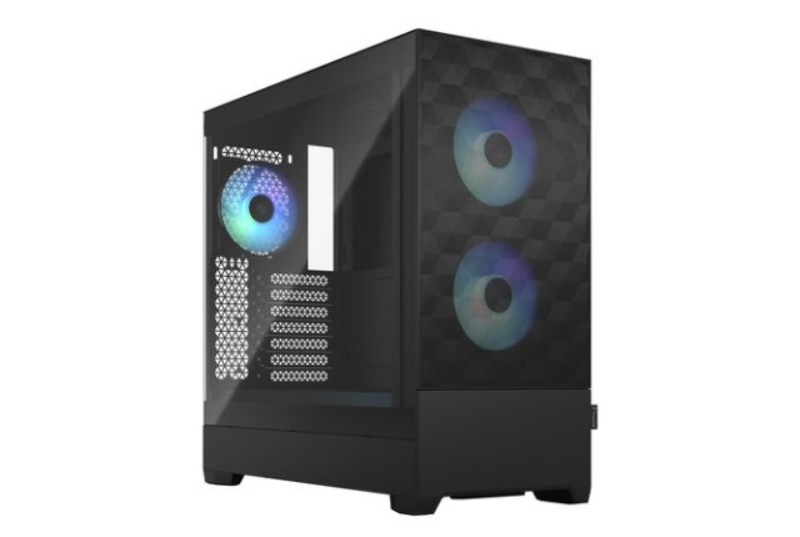
If you’re interested in maximizing your custom PC’s performance, it can be difficult to know where to start. Optimizing your custom PC builder for maximum performance requires a combination of understanding the right components to choose for your needs, researching and selecting the best hardware components on the market, and assembling and configuring the system for maximum reliability and performance. This guide will walk you through the basics of optimizing your custom PC builder for maximum performance, including guidance on what components to choose, finding and selecting the best hardware components on the market, and how to properly assemble and configure your system. With the right approach and guidance, you can build a custom PC that is powerful, reliable, and optimized for peak performance.
How To Select The Best Components For Maximum Performance?
The selection of components for the ideal custom pc builder is the most important step when optimizing for maximum performance. With all the choices and complex specifications it can be difficult to decide what to purchase. When selecting components for a maximum performance build, consider the following: CPU- When selecting a CPU, choose the most powerful processor within your budget. Focus on the latest multi-core models that are optimized for higher performance. A CPU with the highest possible speed and cache will provide optimal performance. Motherboard- The motherboard is the main component in your custom pc builder canada and must be selected carefully. Choose a motherboard that is compatible with the CPU, allows for future upgrades, and has multiple expansion slots. Graphics Card- The power of the graphics card will have a tremendous impact on performance.
Video cards range from low-end to ultra-high-end and offer a wide range of features and capabilities. Look for a model that is specifically designed for gaming and offers the most powerful GPU for the best performance. Memory- RAM is essential to keeping your PC running smoothly. Consider 16GB or more for maximum performance, and make sure your motherboard supports it. An additional RAM stick from the same manufacturer is advisable in order for the RAM to run in dual channel mode. Storage-SSD is the recommended choice for maximum performance. Additionally, look for an SSD with a controller that supports the latest PCIe protocols for efficient data transfers.
Identifying And Resolving Bottlenecks In Your Custom Pc Build
Bottlenecks represent a critical issue in custom PC building as the overall performance of the system will be limited by the weakest link in the chain. Bottlenecks can occur anywhere in the system but are usually associated with RAM, storage, or graphics cards. To identify and resolve bottlenecks in your build, use benchmarking software to test and compare the performance of each component individually. This will help you spot which component is causing the bottleneck, allowing you to upgrade or replace it if necessary. Additionally, ensure that all components are compatible with each other as mismatched hardware can lead to bottlenecks as well.
Cooling Strategies For High-End Performance Processing
High-end processors require adequate cooling to maintain their performance. Heat generated by the components needs to be dissipated quickly in order for the system to remain at an optimal temperature. For maximum performance and stability, install liquid cooling and fans to keep the temperatures low. A high-end CPU cooler like a closed-loop all-in-one solution is the best choice for a custom PC build. Additionally, utilize cable management techniques in order to increase airflow and keep the system cool.
Overclocking To Push The Limits Of Your Custom PC Builder
Overclocking is the process of intentionally running a processor at a higher speed than the default for increased performance. Overclocking can be incredibly powerful when done correctly, however, it comes with risks as it can cause your system to become unstable if done improperly. Understand the potential risks associated with overclocking and if you choose to proceed, use a premium motherboard with robust power delivery capabilities and a capable CPU cooler. Additionally, begin with a moderate overclock and gradually increase the speed while monitoring temperatures.
Upgrading Memory To Enhance Performance And Stability
Upgrading your system’s RAM is one of the most cost-effective ways to increase performance and stability. Installing more RAM means more space for open windows, programs, and games, reducing the risk of errors and slowdowns. Look for a RAM kit that is suitable for overclocking and has the highest clock speed that is compatible with your motherboard. Additionally, make sure that all RAM sticks installed are from the same manufacturer for optimal performance.
Enabling Advanced Features To Maximize Graphic Performance
High-end graphics processing units (GPUs) come with advanced features that can provide a substantial boost in performance. To unlock the full potential of your GPU, enable features such as overclocking, anti-aliasing, and anisotropic filtering. Additionally, install a powerful discrete graphics card that works with the latest APIs such as DirectX 12 or Vulkan for the best performance.
Building A Quiet Performance-Focused System
When building a high-performance custom PC, one of the common challenges is finding a way to keep noise levels to a minimum. Utilize high-end fans that deliver superior cooling performance without compromising on the noise produced. Moreover, it is recommended to use fans with the maximum CFM rating and to add noise dampening material such as rubber or foam to help reduce the sound output. Furthermore, utilize radiators to move heat away from components and keep temperatures under control without generating too much noise.
Utilizing High-End Ssds And Optimizing Storage Performance
Using a high-end SSD as the operating system drive will yield significant performance gains to your system. However, proper optimization of the SSD is necessary to get the best possible performance. Common optimization techniques include proper partitioning, removal of unnecessary junk data, using the latest SATA interface for high speeds, and configuring the appropriate trim level. Additionally, look for an SSD with a suitable form factor, capacity, and speed to best meet your needs.
Ensuring System Stability And Maintaining Continuous Performance
Ensuring system stability is essential when working towards achieving maximum performance. System stability can be easily achieved by frequent hardware testing and software updates. Utilizing benchmarking software can help identify any problems and ensure that the system is running at its best. Additionally, regular updates of the operating system and other software can help prevent incompatibilities and other issues that can limit performance. Finally, make sure to take the necessary steps to protect the system against any kind of viruses, malware, and malicious attacks, as these can destabilize the system.
Conclusion
Optimizing your custom PC builder for maximum performance is an important task. When selecting components for a build, you should consider things like budget, cooling solutions, compatibility of parts, and desired performance. By taking all of these factors into consideration, you can ensure that you get the highest possible performance from your custom PC build. Furthermore, it’s important to keep your system up to date with the latest drivers and software updates, as well as regularly cleaning and maintaining your hardware to ensure peak performance. With the right knowledge and careful consideration, you can be sure that your custom built PC is capable of achieving its full potential.

Mathew Hicks is a world-renowned author and expert in the field of business and finance. He has written multiple books and articles on the subject and has been featured in numerous publications. His expertise has been sought by leading financial institutions around the world.