


Rolling papers are an essential part of many smoking rituals. Rolling papers come in a variety of sizes, materials, and shapes, enabling smokers to customize their smoking experience. Whether you’re a beginner or a seasoned smoker, there’s a lot to learn about rolling papers. This article will provide a comprehensive overview of rolling papers, from what they are and how to use them to the different types of papers available and how to choose the best paper for your needs.
How to Select the Right Rolling Paper?
Choosing the right rolling paper is an important part of having a great smoking experience. There are many different types of rolling papers on the market, so it can be difficult to know which one is right for you. Generally, rolling papers come in three main materials: rice, hemp, and flax. Each material has its unique characteristics and can affect the taste, burn rate, and strength of the smoke.
For example, hemp rolling papers are known for their slow burn rate, strong flavor, and thicker draw. Rice rolling papers typically burn quickly and have a lighter taste, while flax papers are known for their slow burn rate and unique flavor. While these are the three main materials, there are many other papers available, such as papers made of chlorine-free wood pulp and vegetable-based papers. Ultimately, the type of rolling paper you choose depends on your personal preference and the type of smoking experience you want.
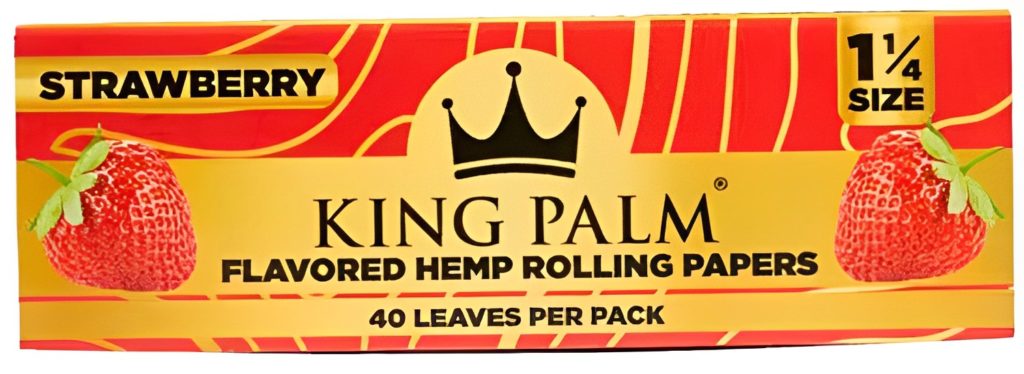
Tips for Rolling With Rolling Papers
Rolling with rolling papers is a skill that takes practice to perfect. There are several key tips to keep in mind when rolling with rolling papers. First, make sure to use enough material to fill the paper. Too little material will result in weak, uneven smoke. Second, when rolling, use your thumbs and forefingers to evenly spread the material on the paper. This will ensure an even burn and smoother smoke. Third, when lighting the joint, be sure to take your time and rotate the joint often, so that the entire joint is lit evenly. Finally, use the right accessories. Rolling trays and grinders can help make the process easier and more efficient.
The History of Rolling Papers and Their Use
Rolling papers have been around for centuries, with their earliest known use being traced back to the ancient Egyptians in 15th century Egypt. They were used as a means of smoking tobacco, as well as other herbs and plants. Over time, rolling papers have become a popular way to smoke marijuana, with their use becoming especially popular in the 1960s. Rolling papers have also become a popular way to consume other substances, such as tobacco and hashish, with different materials and sizes being used to customize the smoking experience.
Advantages of Rolling Papers
Rolling papers have many advantages, including their convenience, affordability, and portability. They are also relatively easy to use, making them a great choice for beginner smokers. However, there are also some disadvantages to rolling papers, such as their tendency to burn quickly and their limited variety of materials. Additionally, some rolling papers contain chemicals or additives that can be harmful when inhaled, so it’s important to do your research before purchasing rolling papers.
Different Rolling Paper Sizes and Their Uses
Rolling papers come in a variety of sizes, ranging from small single-wide papers to large king-size papers. Smaller papers, such as single-wide papers, are great for smoking small amounts of material at once. King-size papers are larger and can be used to roll larger joints, as well as blunts. Additionally, there are different shapes of paper available, such as square, rectangular, and triangular. Different shapes of paper can be used to customize the shape of the joint or blunt.
Rolling Paper Alternatives and Their Benefits
While rolling papers are the most common way to roll cigarettes, there are several other alternatives available. Filter papers are a great option for those looking for smoother smoke. These papers are made from thin paper with a filter tip attached to one end. The filter tip helps to reduce the harshness of the smoke, making it easier to inhale. Additionally, blunt wraps are a popular alternative to rolling papers. Unlike rolling papers, blunt wraps are made from tobacco and can be used to roll larger joints or blunts.
The Benefits of Organic Rolling Papers
Organic rolling papers are becoming increasingly popular due to their environmental benefits. These rolling papers are made from plant-based materials, such as hemp, bamboo, and flax. Unlike traditional rolling papers, organic rolling papers are free from chemicals and are biodegradable, making them a great choice for those looking for an eco-friendly option. Additionally, organic rolling papers are often thicker than traditional rolling papers, making them great for slow burning and even burning.
How to Store Rolling Papers Properly?
Storing rolling papers correctly is important for ensuring a fresh, flavorful smoking experience. Rolling papers should be stored in a cool, dry place away from direct sunlight. Additionally, it is important to store the papers in an airtight container, such as a glass jar or plastic bag. This will help to preserve the freshness and flavor of the papers, as well as prevent the paper from becoming brittle or tearing. Additionally, rolling papers should be kept away from moisture, as this can cause the papers to become soggy and difficult to use.
Conclusion
In conclusion, rolling papers are an essential part of the smoking experience. They come in a variety of sizes, materials, and designs to suit any smoker’s needs. They are typically easy to use and can add a unique element to your smoking experience. Whether you’re a novice smoker or a veteran, you should take the time to learn about the different types of rolling papers available and choose the one that best suits your smoking needs.

Mathew Hicks is a world-renowned author and expert in the field of business and finance. He has written multiple books and articles on the subject and has been featured in numerous publications. His expertise has been sought by leading financial institutions around the world.