

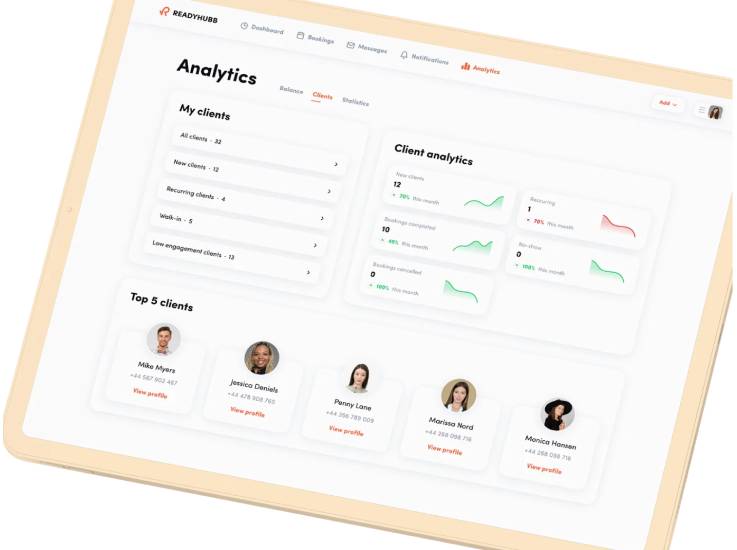
Business process management (BPM) software is an important tool used to systematically track, monitor, and manage the business processes of an organization. It is used to help organizations align their processes with their business objectives and help them to achieve greater efficiency, effectiveness, and cost savings. BPM software is used in a variety of industries and is gaining in popularity among companies of all sizes. This article will discuss the benefits of using BPM software and how to implement it in an organization.
What Is Business Process Management Software?
Business process management software is designed to help organizations improve their processes. It is used for a variety of purposes, such as monitoring and managing processes, creating workflows, and automating tasks. BPM software can also be used to identify potential problems, analyze and optimize processes, and measure performance.
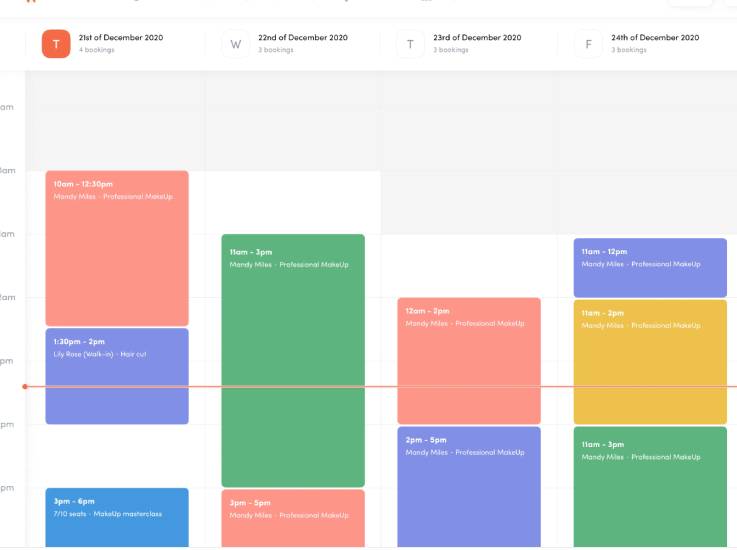
Why Use Business Process Management Software?
Business process management software can help organizations improve their efficiency and effectiveness, as well as save time and money. By streamlining processes, automating tasks, and providing better visibility into processes, BPM software can help organizations become more productive. Additionally, BPM software provides an effective way to track the performance of processes, which can help organizations identify areas of improvement.
How To Implement Business Process Management Software?
Implementing BPM software can seem like a daunting task, but it doesn’t have to be. The first step is to identify the business processes that need to be managed and the desired outcomes of the process. Next, organizations should evaluate the available BPM software solutions and select the one that best meets their needs. Once the software is selected, organizations should develop a plan for implementation, which should include training for employees and setting up the necessary systems. Finally, organizations should monitor and track the performance of the BPM software to ensure it is achieving the desired results.
Tips For Choosing The Right Business Process Management Software
- Define Your Business Goals: Before you start looking for the right business process management software, it is important to first define what your business goals are. This will help you narrow down the field of options and allow you to focus on the software that will best meet your needs.
- Consider Your Budget: Make sure that you have a good idea of how much you can afford to spend on business process management software. This will help you decide which features you need and which ones you can do without.
- Analyze Your Existing Processes: Before choosing software, take the time to analyze your existing business processes. This will help you identify any gaps or areas for improvement and will help you determine which features you need in your software.
- Evaluate User Reviews: User reviews can provide valuable insights into the quality of a product and the customer experience. Make sure to read the reviews of any business process management software you are considering before making a purchase.
- Test Out the Software: Finally, make sure to test out the software before you commit to it. This will give you a chance to make sure that it meets all of your needs and is easy to use.
Types Of Business Process Management Software
- Workflow Automation Software: This type of software facilitates the automated execution of business processes, eliminating the need for manual intervention. Workflows are created by connecting activities, tasks, and decisions to create a flow of data, tasks, and decisions.
- Document Management System: This type of software provides a way to manage documents, including sharing, organizing, editing, and storing them. It also provides the ability to create, sign, and approve documents electronically.
- Business Process Modeling Software: This type of software allows users to model, simulate, and analyze business processes. It can be used to understand existing processes and develop better ones.
- Enterprise Service Bus (ESB): An ESB is a software architecture that provides a common platform for connecting different applications. It enables different applications to exchange data and interact with each other.
- Business Intelligence Software: This type of software provides insights into business performance and helps to identify areas for improvement. It uses data from different sources to generate reports and dashboards that provide valuable insights.
Benefits Of Business Process Management Software
The benefits of using BPM software are numerous. BPM software can help organizations improve their efficiency and effectiveness by streamlining processes, automating tasks, and providing better visibility into processes. Additionally, BPM software can help organizations save time and money, as well as improve customer service. BPM software can also help organizations identify potential problems and areas for improvement.
Challenges Of Implementing Business Process Management Software
Although BPM software can provide numerous benefits, there are also a few challenges associated with its implementation. The most common challenge is the cost associated with purchasing and implementing the software. Additionally, organizations may find it difficult to identify the right BPM software solution. As there are a variety of software options available. Furthermore, organizations may find it difficult to train employees on the use of the software.
Conclusion
These can provide numerous benefits to organizations, including improved efficiency and effectiveness, cost savings, better visibility into processes, and improved customer service. However, there are a few challenges associated with implementing BPM software, such as cost and training. Organizations should consider their specific needs and objectives when selecting the right BPM software solution and should ensure that the software is properly implemented and monitored to maximize its effectiveness.

Mathew Hicks is a world-renowned author and expert in the field of business and finance. He has written multiple books and articles on the subject and has been featured in numerous publications. His expertise has been sought by leading financial institutions around the world.